ICTQual Level 5 Advanced Diploma in Veterinary Nursing (Medical)
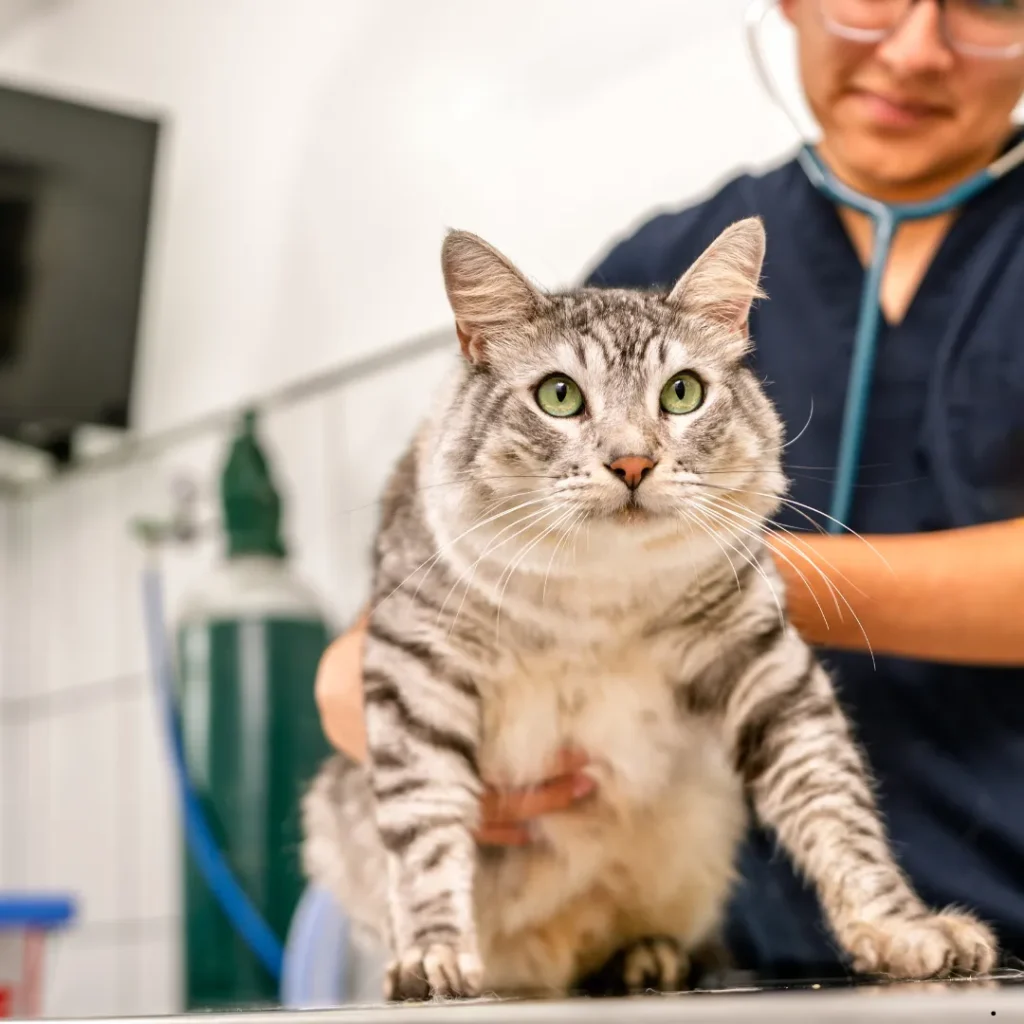
The ICTQual Level 5 Advanced Diploma in Veterinary Nursing (Medical) is designed to provide learners with in-depth knowledge and advanced skills in veterinary medical care. This course focuses on enhancing clinical expertise, patient management, and professional responsibility, ensuring learners are prepared to deliver high-quality nursing support in medical contexts. By combining theoretical learning with practical applications, the diploma equips learners with the confidence to handle complex medical cases, support veterinary teams, and contribute meaningfully to animal health and welfare.
This advanced diploma emphasizes the importance of clinical decision-making, ethical practice, and effective communication within veterinary medical settings. Learners will explore topics such as patient assessment, treatment planning, and monitoring, alongside developing skills in client interaction and education. The course highlights the role of veterinary nurses in supporting both animals and their owners, ensuring compassionate care and professional guidance. With a strong focus on practical scenarios, learners gain the ability to apply their knowledge in real-world contexts, making them valuable assets to veterinary practices.
The ICTQual Level 5 Advanced Diploma in Veterinary Nursing (Medical) also prepares learners to take on greater responsibilities within veterinary teams. It encourages the development of leadership qualities, problem-solving skills, and adaptability in fast-paced environments. Learners will gain insights into managing patient care, supporting medical procedures, and promoting animal welfare through evidence-based practice. By completing this diploma, individuals will be equipped to deliver advanced nursing care, foster trust with clients, and contribute to the overall success of veterinary services. This qualification is ideal for those passionate about animal health and committed to professional growth.
Course Overview
Awarding Body
ICTQual AB
Credits
50 Credits
Study Mood
Online
Assessment
Assignments Based
Course Study Units
- Advanced Principles of Veterinary Medical Nursing
- Patient Assessment and Diagnostic Support
- Medical Case Management and Long-Term Care
- Pharmacology and Therapeutics in Medical Nursing
- Clinical Decision-Making and Evidence-Based Medical Practice
- Professional Practice, Ethics, and Leadership in Medical Nursing

Entry Requirements
Who Can Enroll
This course is designed for individuals who are committed to advancing their veterinary nursing career.
- Passionate about animal health and welfare.
- Interested in medical aspects of veterinary nursing.
- Strong communication and teamwork skills.
- Motivated to develop leadership and problem-solving abilities.
- Keen to apply evidence-based practice in clinical settings.
- Dedicated to delivering compassionate and professional care.
Course Learning Outcomes
Advanced Principles of Veterinary Medical Nursing
- Demonstrate understanding of the principles underpinning medical veterinary nursing practice.
- Apply infection control and patient safety protocols in medical care settings.
- Recognise common medical conditions and outline appropriate nursing interventions.
- Integrate holistic approaches to patient care, including nutrition and wellbeing.
- Analyse the role of communication in supporting medical nursing teams.
- Evaluate ethical considerations when delivering medical care to animals.
- Develop confidence in managing complex medical cases.
- Reflect on the importance of continuous professional development in medical nursing.
Patient Assessment and Diagnostic Support
- Conduct thorough patient assessments, including history taking and clinical examination.
- Record and interpret vital signs to inform nursing decisions.
- Assist in diagnostic procedures such as imaging, laboratory testing, and sample collection.
- Apply evidence‑based protocols for monitoring patient progress.
- Communicate assessment findings clearly to veterinary surgeons and colleagues.
- Recognise early signs of deterioration and respond appropriately.
- Maintain accurate records to support continuity of care and audits.
- Evaluate the effectiveness of diagnostic support in improving patient outcomes.
Medical Case Management and Long-Term Care
- Develop nursing care plans for patients with chronic or complex medical conditions.
- Implement long‑term monitoring strategies for ongoing patient management.
- Provide effective pain management and comfort care for medical patients.
- Support client education and involvement in long‑term patient care.
- Collaborate with veterinary surgeons and multidisciplinary teams to optimise outcomes.
- Recognise complications in long‑term medical cases and adapt care plans accordingly.
- Maintain accurate documentation to support continuity of care.
- Reflect on case outcomes to improve future medical nursing practice.
Pharmacology and Therapeutics in Medical Nursing
- Explain pharmacological principles relevant to medical veterinary nursing.
- Safely administer medications under veterinary supervision.
- Understand drug interactions and contraindications in medical contexts.
- Apply pain assessment tools to evaluate patient needs.
- Implement therapeutic interventions to support recovery and wellbeing.
- Monitor patient responses to pharmacological treatments.
- Recognise adverse drug reactions and respond appropriately.
- Promote safe storage, handling, and documentation of veterinary medicines.
Clinical Decision-Making and Evidence-Based Medical Practice
- Apply structured decision‑making models in medical nursing scenarios.
- Critically evaluate research evidence to inform medical nursing practice.
- Integrate clinical guidelines into medical interventions.
- Balance professional judgement with ethical considerations in decision‑making.
- Demonstrate problem‑solving skills in unpredictable patient situations.
- Reflect on medical case outcomes to improve future practice.
- Communicate decisions effectively to colleagues and clients.
- Contribute to a culture of continuous improvement in veterinary medical nursing.
Professional Practice, Ethics, and Leadership in Medical Nursing
- Understand professional responsibilities and codes of conduct in veterinary nursing.
- Demonstrate leadership skills in managing medical nursing teams.
- Apply ethical frameworks to guide medical nursing practice.
- Promote effective communication with clients, colleagues, and stakeholders.
- Manage stress and resilience in high‑pressure medical environments.
- Support the professional development of junior staff and peers.
- Uphold standards of patient advocacy and welfare in medical care.
- Contribute to organisational policies that enhance veterinary medical services.