ICTQual Level 5 Diploma in Animal Behavior and Adaptations
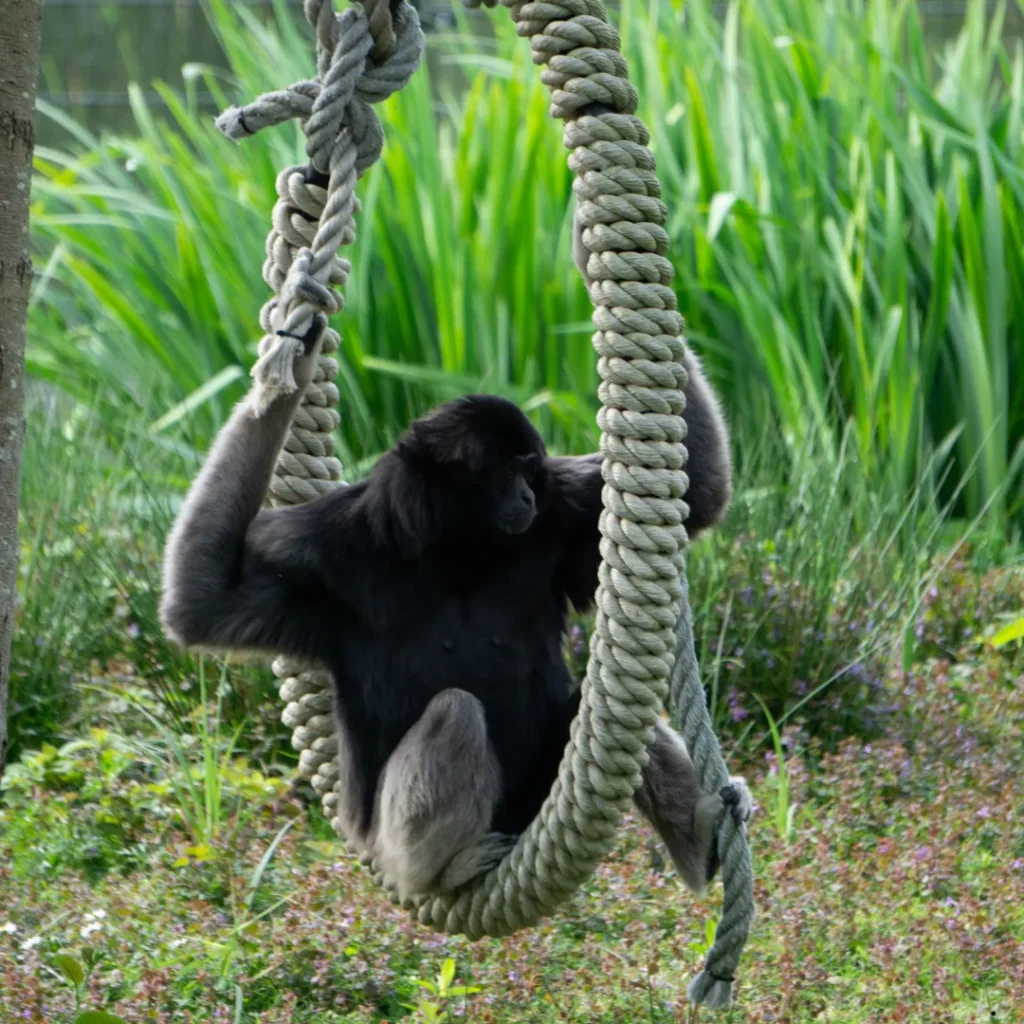
The ICTQual Level 5 Diploma in Animal Behavior and Adaptations is designed to provide learners with a deep understanding of how animals interact with their environments and the evolutionary strategies they employ to survive. This advanced-level program explores the scientific principles behind animal behavior, including communication, social structures, feeding strategies, and predator-prey relationships. Learners will gain both theoretical knowledge and practical insights into the mechanisms that shape animal life across diverse ecosystems.
The course emphasizes the importance of studying adaptations as a key to understanding biodiversity and ecological balance. Learners will examine how animals evolve to meet environmental challenges, exploring topics such as physiological adaptations, behavioral responses, and survival strategies. Through case studies and applied projects, participants will develop the ability to critically analyze animal behavior and apply their knowledge to conservation, research, and animal management contexts.
This diploma also highlights ethical considerations, sustainability, and the role of animal behavior studies in supporting conservation and welfare initiatives. Learners will be encouraged to adopt a holistic perspective that integrates scientific research with practical applications. By the end of the program, graduates will be equipped with the skills and confidence to contribute meaningfully to animal science, conservation projects, and ecological management, ensuring their work supports both scientific advancement and responsible stewardship of wildlife.
Course Overview
Awarding Body
ICTQual AB
Credits
50 Credits
Study Mood
Online
Assessment
Assignments Based
Course Study Units
- Cognitive Ethology
- Behavioral Adaptations in Evolution
- Human–Wildlife Conflict
- Advanced Field Techniques
- Behavioral Enrichment in Captivity
- Case Studies in Adaptation

Entry Requirements
Who Can Enroll
This diploma is suited for individuals who are passionate about animal science and motivated to explore the complexities of behavior and adaptation.
- Animal care professionals seeking deeper knowledge
- Conservationists working on biodiversity projects
- Researchers in zoology and ecology
- Wildlife managers and environmental consultants
- Graduates aiming to specialize in animal behavior studies
- Volunteers with experience in animal welfare or conservation
Course Learning Outcomes
Cognitive Ethology
- Explain the principles of animal cognition and problem‑solving.
- Describe how animals perceive, learn, and make decisions in natural contexts.
- Identify examples of tool use, memory, and social learning in different species.
- Analyze case studies of advanced cognitive behavior in mammals, birds, and aquatic animals.
- Evaluate the role of cognition in survival and adaptation.
Behavioral Adaptations in Evolution
- Explain how evolutionary pressures shape behavioral traits across species.
- Describe the role of natural selection in developing adaptive behaviors.
- Identify examples of behavioral evolution in feeding, reproduction, and migration.
- Analyze comparative studies linking evolutionary theory to animal behavior.
- Evaluate the importance of behavioral adaptations in ecological resilience.
Human–Wildlife Conflict
- Explain the causes and consequences of human–wildlife conflict.
- Describe strategies for mitigating conflict through behavioral insights.
- Identify examples of conflict in agricultural, urban, and conservation settings.
- Analyze case studies of successful conflict management programs.
- Evaluate the role of community engagement in reducing conflict.
Advanced Field Techniques
- Explain advanced methods for observing and recording animal behavior in natural habitats.
- Describe the use of technology such as GPS tracking, camera traps, and acoustic monitoring.
- Identify ethical and practical considerations in field research.
- Apply skills in designing and conducting structured behavioral studies.
- Evaluate the reliability and validity of advanced field data.
Behavioral Enrichment in Captivity
- Explain the importance of enrichment in promoting welfare in captive animals.
- Describe enrichment strategies such as sensory stimulation, feeding puzzles, and social grouping.
- Identify behavioral indicators of stress reduction and improved welfare.
- Analyze the impact of enrichment on reproduction, health, and social behavior.
- Evaluate best practices for designing enrichment programs in zoos and sanctuaries.
Case Studies in Adaptation
- Explain real‑world examples of behavioral adaptation in diverse species.
- Describe how animals adjust to environmental pressures such as climate change and habitat loss.
- Identify lessons learned from adaptation case studies in conservation projects.
- Analyze the effectiveness of adaptation strategies in maintaining biodiversity.
- Evaluate the role of applied research in guiding future conservation practices.