ICTQual Level 5 Diploma in Bird Watching Techniques
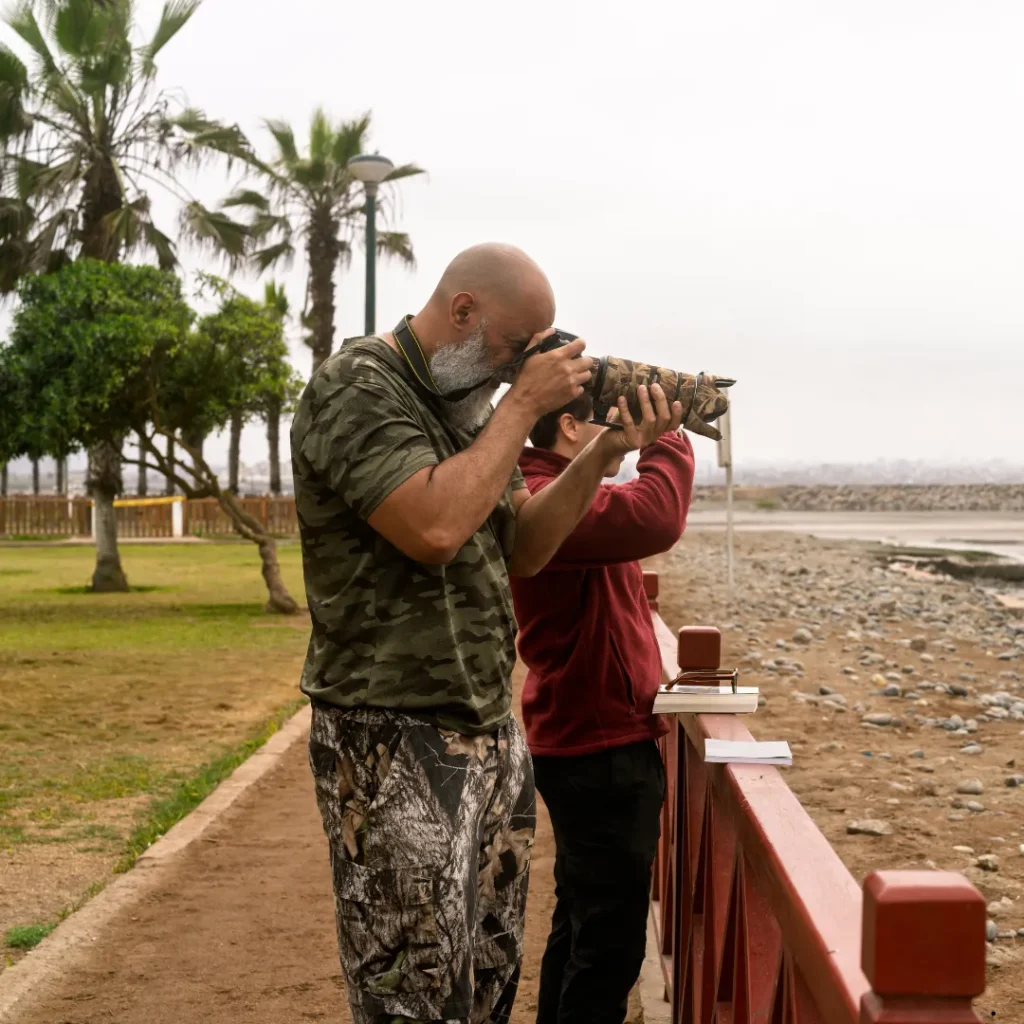
The ICTQual Level 5 Diploma in Bird Watching Techniques is designed to provide learners with advanced knowledge and practical expertise in the art and science of birdwatching. This diploma explores the principles of bird identification, observation, and recording, while emphasizing the ecological importance of birds in diverse habitats. Learners will gain a deeper understanding of avian behavior, migration patterns, and conservation challenges, equipping them with the skills to conduct structured birdwatching activities with confidence and precision.
This diploma blends theoretical learning with applied fieldwork, making it ideal for learners who wish to elevate their birdwatching skills to a professional level. Participants will study topics such as habitat analysis, seasonal bird movements, advanced use of equipment, and data collection methods. The course encourages learners to develop analytical skills, patience, and attention to detail, which are essential for successful birdwatching.
The ICTQual Level 5 Diploma in Bird Watching Techniques is structured to inspire learners to pursue leadership roles in conservation, research, and ecological management. Learners will benefit from modules that encourage independent study, applied fieldwork, and professional-level engagement with ornithology. Whether motivated by personal passion or professional ambition, this diploma offers a valuable platform to enhance expertise and influence in the field of birdwatching.
Course Overview
Awarding Body
ICTQual AB
Credits
50 Credits
Study Mood
Online
Assessment
Assignments Based
Course Study Units
- Integrative Survey Methodologies
- Innovations in Survey Technology
- Global Conservation Strategies
- Advanced Data Analysis
- Leadership in Conservation Projects
- Specialist Fieldwork Project

Entry Requirements
Who Can Enroll
This diploma is best suited for individuals who are committed to advancing their knowledge of birdwatching techniques.
- Birdwatching enthusiasts aiming for advanced expertise.
- Students with a background in biology or environmental sciences.
- Conservation volunteers seeking structured professional-level learning.
- Hobbyists motivated by scientific curiosity and ecological awareness.
- Learners wanting to strengthen research and analytical skills.
- Individuals committed to ethical and sustainable wildlife study.
Course Learning Outcomes
Integrative Survey Methodologies
- Combine multiple survey techniques to create comprehensive and reliable ornithological studies.
- Integrate ecological, behavioural, and habitat data into cohesive survey frameworks.
- Adapt methodologies across diverse environments to ensure accuracy and relevance.
- Evaluate survey outcomes by comparing different approaches and refining techniques.
- Apply interdisciplinary methods linking ornithology with wider ecological and conservation practices.
Innovations in Survey Technology
- Utilize modern digital tools such as GPS, drones, and mobile apps for bird surveys.
- Apply remote sensing technologies to monitor bird populations and habitats.
- Incorporate automated data collection systems for efficiency and accuracy.
- Evaluate emerging technologies for their effectiveness in ornithological research.
- Integrate technology with traditional methods to enhance survey reliability.
Global Conservation Strategies
- Understand international conservation frameworks and their relevance to bird protection.
- Analyze global threats such as climate change, habitat loss, and pollution.
- Promote sustainable practices aligned with international biodiversity goals.
- Advocate for cross‑border collaboration in bird conservation initiatives.
- Contribute to global monitoring networks supporting migratory and endangered species.
Advanced Data Analysis
- Apply advanced statistical techniques to interpret complex ecological datasets.
- Identify population trends and distribution patterns from survey results.
- Use software tools for ecological modelling and predictive analysis.
- Present findings in professional formats including reports, charts, and visualizations.
- Ensure data accuracy and validity through rigorous analysis and ethical practices.
Leadership in Conservation Projects
- Lead conservation teams in planning and executing bird watching projects.
- Coordinate community and stakeholder engagement to strengthen conservation outcomes.
- Manage resources effectively including time, equipment, and personnel.
- Evaluate project success using measurable ecological and social indicators.
- Promote ethical leadership that prioritizes biodiversity protection and sustainability.
Specialist Fieldwork Project
- Design and implement independent fieldwork projects focused on advanced bird watching techniques.
- Integrate survey methodologies, technology, and data analysis into practical assignments.
- Produce professional project reports demonstrating advanced ecological knowledge.
- Showcase specialist identification and behavioural study skills through applied research.
- Reflect critically on project outcomes to improve future conservation practices.