ICTQual Level 6 Diploma in Mammalogy and Large Mammals Study Techniques
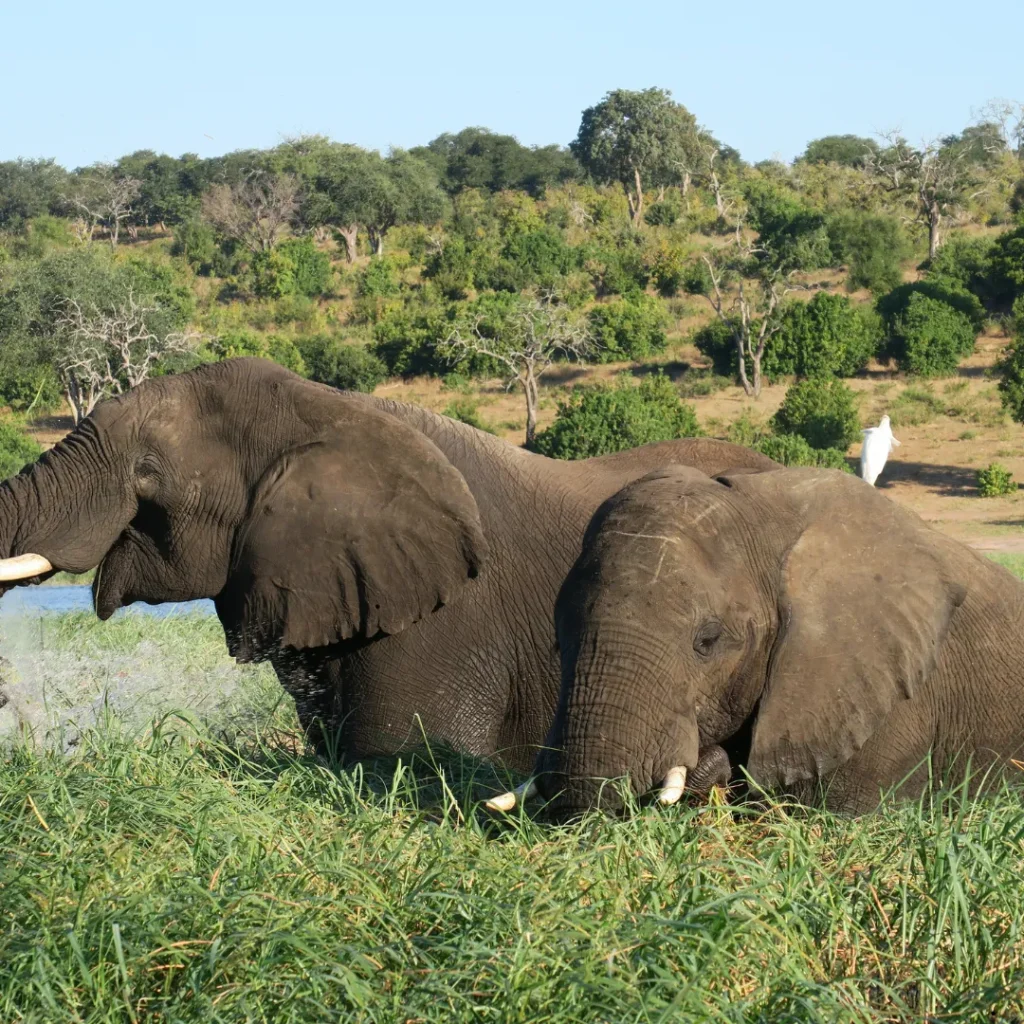
The ICTQual Level 6 Diploma in Mammalogy and Large Mammals Study Techniques is an advanced program designed for learners who wish to gain in-depth expertise in the study of large mammals. This diploma explores complex aspects of mammalogy, including behavioral ecology, conservation challenges, and advanced research methodologies. Learners will engage with topics such as population dynamics, habitat management, and ecological interactions, while developing the ability to critically analyze data and apply scientific approaches to real-world scenarios.
This diploma is structured to combine theoretical knowledge with advanced practical applications, making it ideal for learners who want to elevate their understanding of wildlife studies.The program encourages learners to develop strong analytical skills, critical thinking, and the ability to interpret complex ecological data. By engaging with case studies and applied learning, students will gain a deeper appreciation of the role large mammals play in biodiversity and ecosystem sustainability.
The ICTQual Level 6 Diploma in Mammalogy and Large Mammals Study Techniques is designed to inspire learners to pursue excellence in wildlife study and conservation. The course highlights the importance of conservation, sustainable resource management, and responsible research, ensuring that learners appreciate both the scientific and ethical dimensions of mammalogy. Whether motivated by professional development or personal passion, this diploma offers a valuable platform to enhance expertise in the study of large mammals.Whether motivated by professional development or personal passion, this diploma offers a valuable platform to enhance expertise in the study of large mammals.
Course Overview
Awarding Body
ICTQual AB
Credits
60 Credits
Study Mood
Online
Assessment
Assignments Based
Course Study Units
- Complex Ecosystem Survey Approaches
- Technological Innovations in Mammalogy
- International Conservation Governance
- Molecular and Genetic Applications in Mammal Research
- Strategic Leadership and Policy Development
- Independent Specialist Dissertation

Entry Requirements
Who Can Enroll
This diploma is best suited for individuals who are committed to advancing their knowledge of large mammals and mammalogy.
- Wildlife enthusiasts aiming for advanced expertise.
- Students with a background in biology or environmental sciences.
- Conservation volunteers seeking structured professional-level learning.
- Hobbyists motivated by scientific curiosity and ecological awareness.
- Learners wanting to strengthen research and analytical skills.
- Individuals committed to ethical and sustainable wildlife study.
Course Learning Outcomes
Complex Ecosystem Survey Approaches
- Design and implement advanced ecosystem surveys integrating multiple ecological variables and mammal populations.
- Apply interdisciplinary methods combining vegetation, climate, and mammal data for holistic analysis.
- Critically evaluate survey outcomes to inform biodiversity management and conservation planning.
- Adapt survey approaches to diverse ecosystems and international conservation contexts.
- Demonstrate ethical and sustainable practices in ecosystem monitoring at advanced levels.
Technological Innovations in Mammalogy
- Utilize cutting‑edge technologies such as drones, GPS collars, and AI‑driven monitoring systems.
- Apply acoustic monitoring, remote sensing, and bio‑logging tools to study mammal behaviour and habitats.
- Assess the benefits, limitations, and ethical considerations of emerging technologies in mammal research.
- Integrate digital innovations into fieldwork for efficient data collection and advanced analysis.
- Explore future applications of technology to enhance global mammal conservation outcomes.
International Conservation Governance
- Analyze international conservation frameworks, treaties, and policies impacting large mammal protection.
- Evaluate global challenges such as climate change, habitat fragmentation, and illegal wildlife trade.
- Propose sustainable strategies for balancing human development and wildlife conservation globally.
- Understand the role of international organizations, NGOs, and governments in mammal conservation governance.
- Apply culturally sensitive and ethical approaches to international conservation initiatives.
Molecular and Genetic Applications in Mammal Research
- Apply molecular techniques to study mammal genetics, population health, and evolutionary adaptations.
- Use genetic data to inform conservation strategies, including species recovery and biodiversity protection.
- Interpret molecular findings to assess population viability and ecological resilience.
- Evaluate ethical considerations in genetic sampling and conservation genomics.
- Integrate molecular research with ecological modelling for advanced conservation planning.
Strategic Leadership and Policy Development
- Demonstrate leadership in planning and managing large‑scale conservation projects.
- Coordinate multidisciplinary teams to achieve strategic conservation goals.
- Develop policies and frameworks that address ecological, social, and economic dimensions of conservation.
- Engage communities, governments, and stakeholders in conservation decision‑making.
- Reflect critically on leadership practices to improve future conservation governance.
Independent Specialist Dissertation
- Plan and execute an independent dissertation project focused on advanced mammal research.
- Apply complex survey, monitoring, and molecular techniques in real‑world contexts.
- Collect, analyze, and interpret data to produce evidence‑based conclusions.
- Demonstrate safe, ethical, and responsible research practices throughout the dissertation process.
- Present findings in a professional dissertation report suitable for academic, consultancy, and conservation audiences.