ICTQual Level 7 Diploma in Ichthyological Survey Techniques
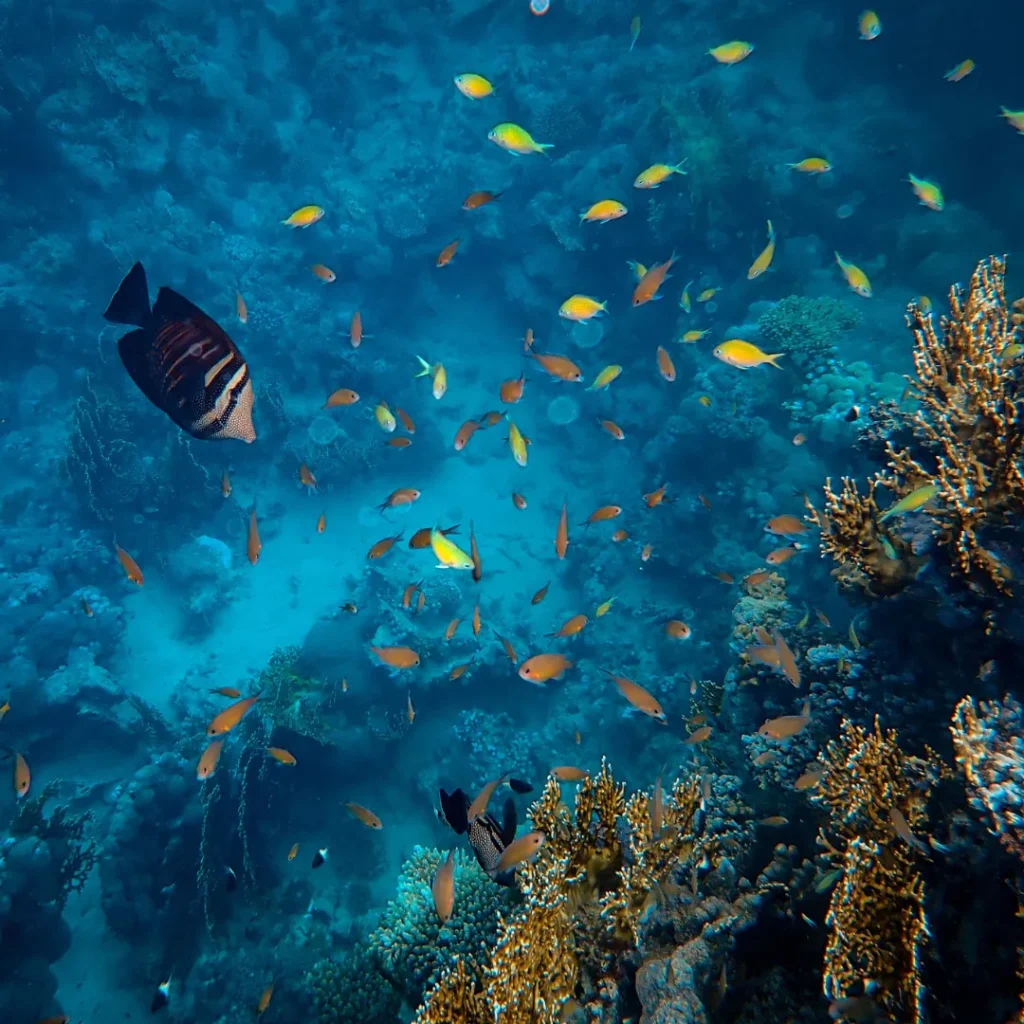
The ICTQual Level 7 Diploma in Ichthyological Survey Techniques is an advanced program designed for professionals and researchers seeking to deepen their expertise in fish population studies and aquatic ecosystem monitoring. The course provides a comprehensive exploration of survey methodologies, data collection techniques, and ecological analysis, equipping learners with the skills to conduct high-level ichthyological research. It emphasizes both theoretical knowledge and practical application, ensuring participants can confidently design and implement surveys in diverse aquatic environments.
Learners will engage with topics such as fish identification, sampling strategies, population dynamics, and habitat assessment. The diploma highlights the importance of accurate data collection and interpretation, preparing learners to contribute to conservation, fisheries management, and ecological research. By examining case studies and applied projects, participants will gain insights into the challenges of surveying fish populations in freshwater and marine ecosystems, while developing innovative solutions to address these complexities.
This program also emphasizes ethical practices, sustainability, and the integration of modern technologies in ichthyological surveys. Learners will explore the role of survey techniques in supporting biodiversity conservation, resource management, and policy development. By the end of the course, graduates will possess advanced skills and critical perspectives that enable them to make meaningful contributions to aquatic science and environmental stewardship.
Course Overview
Awarding Body
ICTQual AB
Credits
120 Credits
Study Mood
Online
Assessment
Assignments Based
Course Study Units
- Critical Issues in Ichthyological Surveys
- Innovations in Survey Technology
- Global Conservation Strategies
- Advanced Molecular and Genomic Applications
- Leadership and Policy Influence
- Final Research Thesis

Entry Requirements
Who Can Enroll
This diploma is suited for individuals who are passionate about aquatic ecosystems and committed to advancing their professional expertise.
- Fisheries managers and aquatic resource professionals
- Conservationists working on biodiversity and habitat protection
- Researchers in ichthyology and aquatic ecology
- Environmental consultants and policy advisors
- Graduates aiming to specialize in aquatic survey techniques
- Professionals motivated by sustainability and scientific innovation
Course Learning Outcomes
Critical Issues in Ichthyological Surveys
- Learners will critically evaluate contemporary challenges affecting ichthyological survey practices worldwide.
- Learners will analyze ecological, social, and economic factors influencing survey outcomes.
- Learners will assess the impact of human activity, climate change, and policy gaps on aquatic ecosystems.
- Learners will propose innovative solutions to address critical issues in fisheries and biodiversity monitoring.
- Learners will demonstrate advanced problem‑solving skills in complex survey contexts.
Innovations in Survey Technology
- Learners will apply cutting‑edge technologies such as sonar, GIS, and remote sensing in aquatic surveys.
- Learners will evaluate the effectiveness of emerging digital tools for ecological data collection.
- Learners will integrate technological innovations with traditional survey methods for enhanced accuracy.
- Learners will assess the role of automation and AI in advancing ichthyological research.
- Learners will demonstrate adaptability in adopting new technologies for global survey projects.
Global Conservation Strategies
- Learners will analyze international conservation frameworks and their application to fisheries management.
- Learners will evaluate strategies for protecting endangered species and restoring aquatic habitats.
- Learners will assess the role of global collaboration in biodiversity conservation.
- Learners will design sustainable conservation initiatives aligned with international standards.
- Learners will promote ethical and responsible practices in global aquatic resource management.
Advanced Molecular and Genomic Applications
- Learners will apply genomic sequencing and molecular tools to fish population studies.
- Learners will evaluate the role of molecular data in species identification and conservation planning.
- Learners will interpret complex genomic datasets to support ecological decision‑making.
- Learners will assess ethical considerations in the use of molecular and genomic technologies.
- Learners will integrate molecular approaches with ecological surveys for comprehensive analysis.
Leadership and Policy Influence
- Learners will demonstrate leadership in managing large‑scale ichthyological survey projects.
- Learners will evaluate the influence of policy and governance on fisheries and aquatic ecosystems.
- Learners will design strategies to engage stakeholders and influence policy development.
- Learners will promote compliance with international legal and ethical standards.
- Learners will apply leadership skills to drive innovation and collaboration in aquatic research.
Final Research Thesis
- Learners will design and execute an original research thesis addressing advanced ichthyological survey challenges.
- Learners will apply innovative methodologies to collect, analyze, and interpret ecological data.
- Learners will produce a professional thesis report with actionable recommendations.
- Learners will critically evaluate research outcomes and propose future directions for aquatic science.
- Learners will demonstrate originality, independence, and authority in specialist research.