ICTQual Medical Laser Safety Officer (CMLSO) Certificate
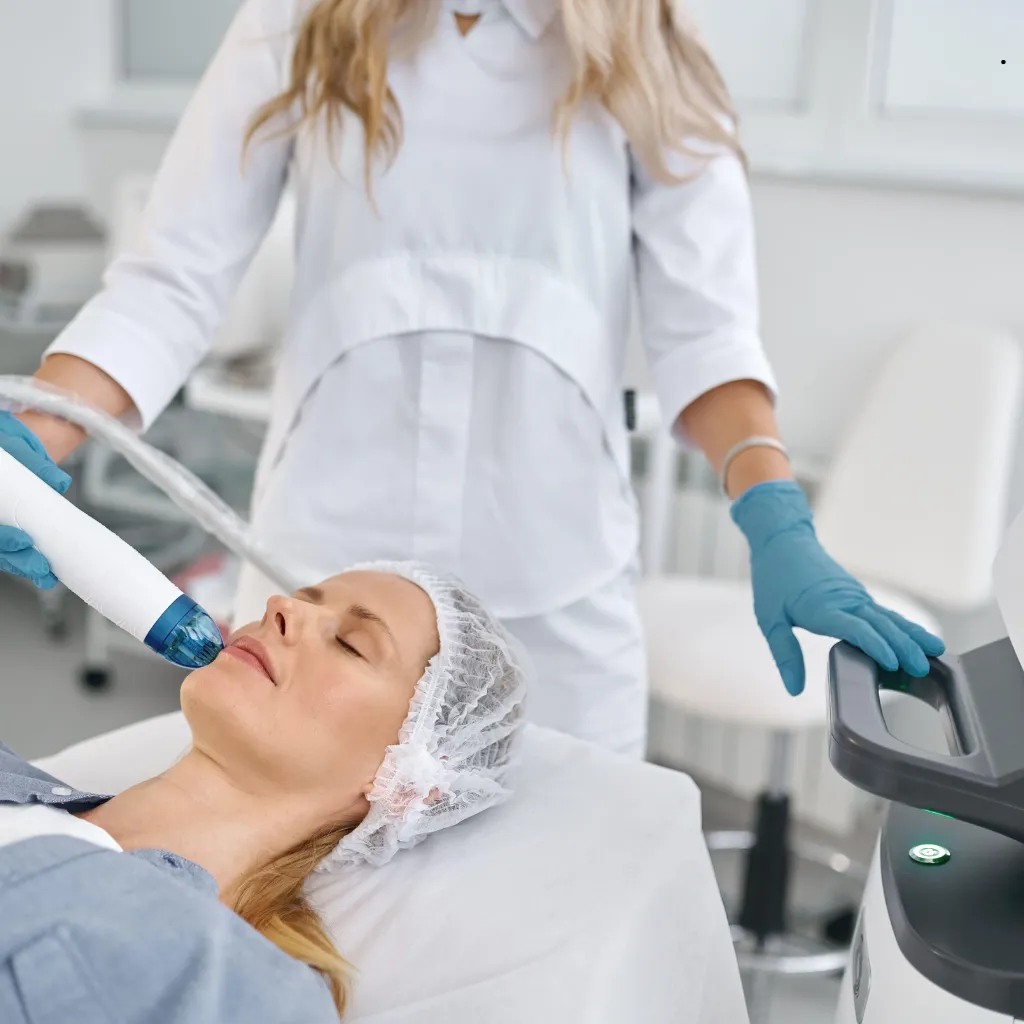
The ICTQual Medical Laser Safety Officer (CMLSO) Certificate is a specialized healthcare qualification designed to develop professional competence in managing laser safety within clinical and medical environments. This course equips learners with the essential knowledge and practical skills required to ensure the safe use of medical laser systems in hospitals, surgical units, dermatology clinics, ophthalmology departments, and cosmetic treatment centers.
This certificate focuses on key areas such as laser hazard identification, biological effects of laser radiation, clinical risk assessment, safety control measures, patient and staff protection, and emergency response procedures. Learners also gain a clear understanding of medical laser classifications, operating protocols, and regulatory compliance requirements, enabling them to effectively implement laser safety systems in healthcare settings.
The ICTQual Medical Laser Safety Officer (CMLSO) Certificate is ideal for doctors, nurses, surgeons, biomedical technicians, and healthcare safety officers. It enhances professional credibility, strengthens workplace safety, and supports career advancement in the growing field of medical laser safety and clinical risk management.
Course Overview
Awarding Body
ICTQual
Credits
10
Study Mode
Online
Assessment
Assignment Based
Course Study Units
- Principles of Medical Laser Technology and Operational Safety
- Human Tissue Interaction and Clinical Effects of Laser Use
- Identifying Hazards and Implementing Laser Safety Controls
- International Guidelines and Healthcare Compliance for Laser Procedures
- Professional Duties and Leadership of the Certified Medical Laser Safety Officer

Entry Requirements
Who Can Enroll
This course is designed for healthcare and clinical professionals involved in or responsible for the safe use of medical laser systems.
- Doctors and surgeons using laser technology in medical procedures
- Nurses working in operating theatres and clinical departments
- Dermatologists and aesthetic practitioners performing laser treatments
- Ophthalmology professionals involved in laser eye procedures
- Dentists using laser equipment in dental treatments
- Biomedical engineers and clinical equipment technicians
- Hospital health and safety officers and compliance staff
Course Learning Outcomes
Principles of Medical Laser Technology and Operational Safety
- Understand the fundamental principles of medical laser technology and its applications in healthcare
- Recognise different types of medical lasers and their operational characteristics
- Identify safety principles associated with laser operation in clinical environments
- Analyse the importance of wavelength, beam delivery, and power settings in safe laser use
- Apply knowledge of laser classifications and hazard levels to healthcare procedures
- Evaluate the role of protective equipment in ensuring operational safety
- Demonstrate awareness of international standards governing medical laser technology
- Prepare for vocational roles requiring technical expertise in medical laser systems
Human Tissue Interaction and Clinical Effects of Laser Use
- Understand how laser radiation interacts with human tissue during medical procedures
- Recognise potential risks of laser exposure to patients and healthcare staff
- Identify short‑term and long‑term clinical effects of improper laser use
- Analyse the importance of safe exposure limits in surgical and aesthetic treatments
- Apply knowledge of tissue response to different wavelengths and energy levels
- Evaluate protective measures to minimise biological risks in healthcare environments
- Demonstrate awareness of occupational health standards related to laser exposure
- Prepare for vocational roles requiring responsibility in patient and staff safety
Identifying Hazards and Implementing Laser Safety Controls
- Understand the principles of hazard identification in medical laser environments
- Recognise common risks associated with medical laser use in healthcare settings
- Identify methods for evaluating and controlling hazards in laser procedures
- Analyse the importance of structured risk assessment in compliance and safety management
- Apply hazard control measures to minimise risks during medical laser operations
- Evaluate the effectiveness of safety protocols and protective strategies
- Demonstrate awareness of international risk management standards for medical lasers
- Prepare for vocational roles requiring responsibility in hazard control and compliance
International Guidelines and Healthcare Compliance for Laser Procedures
- Understand international and national regulations governing medical laser safety
- Recognise the importance of compliance in healthcare environments using laser technology
- Identify key regulatory frameworks and their application in medical laser procedures
- Analyse the role of auditing and monitoring in ensuring compliance with safety standards
- Apply knowledge of documentation and reporting requirements for laser safety officers
- Evaluate the impact of non‑compliance on patient safety and organisational accountability
- Demonstrate awareness of ethical responsibilities in regulatory compliance
- Prepare for vocational roles requiring responsibility in compliance and auditing
Professional Duties and Leadership of the Certified Medical Laser Safety Officer
- Understand the core responsibilities of a Certified Medical Laser Safety Officer in healthcare settings
- Recognise the importance of leadership in enforcing laser safety protocols
- Identify duties related to equipment monitoring, staff training, and compliance enforcement
- Analyse the role of the CMLSO in risk assessment and hazard control
- Apply knowledge of safety procedures to ensure patient and staff protection
- Evaluate the importance of communication and reporting in MLSO responsibilities
- Demonstrate professional conduct in managing compliance and safety standards
- Prepare for supervisory and vocational roles as a Certified Medical Laser Safety Officer