LICQual Level 3 Diploma in Hospital Pharmacy (Dip Hospital Pharmacy)
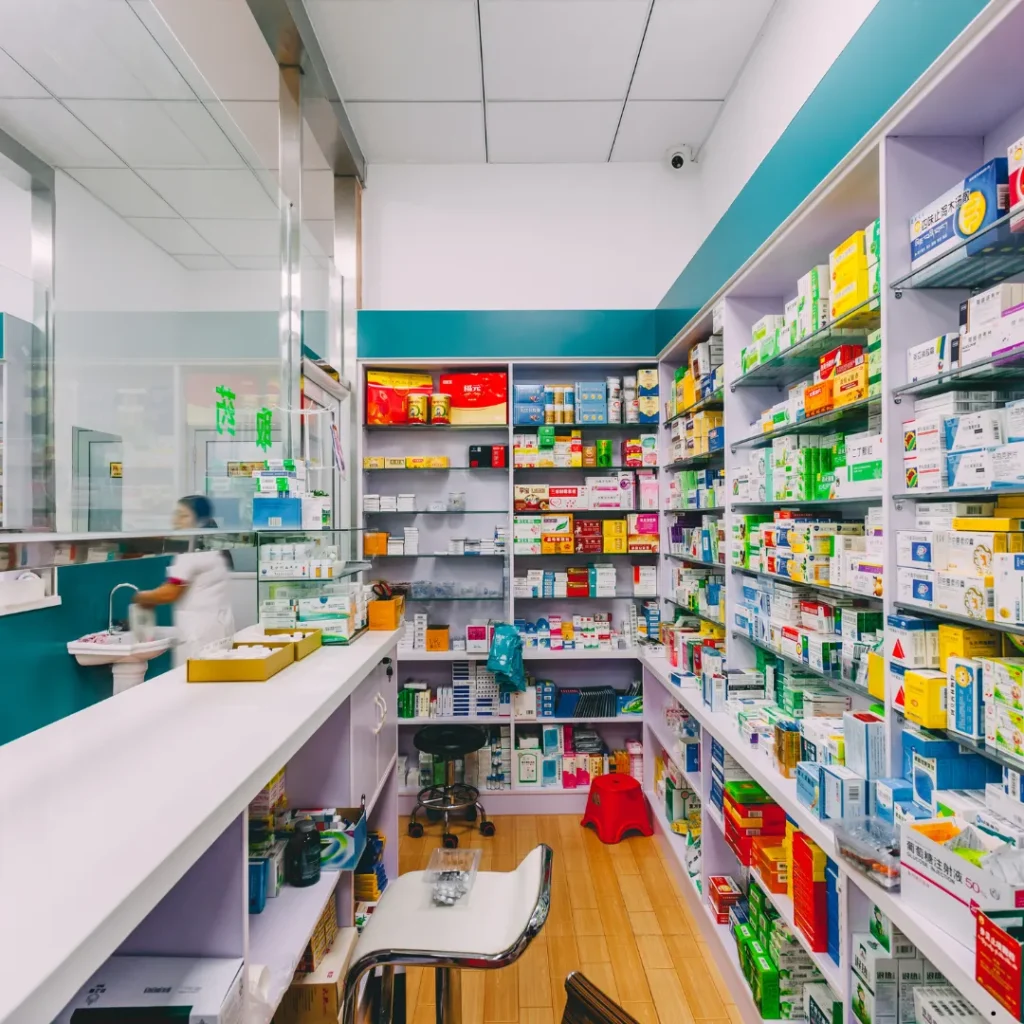
LICQual Level 3 Diploma in Hospital Pharmacy (Dip Hospital Pharmacy) is a specialized qualification for individuals seeking to establish careers within hospital pharmacy settings. This course provides comprehensive knowledge of inpatient medication management and distribution systems. It explores the unique environment of hospital pharmacy practice distinct from community settings. The program addresses medication safety, ward supply, and aseptic dispensing requirements. Graduates learn to support pharmacists in busy hospital dispensaries and wards.
The benefits of completing this diploma are significant for those aiming to work in hospital environments. Participants gain specialized competencies in managing inpatient medication charts and ward stock control systems. The curriculum enhances ability to understand discharge prescriptions and medicines reconciliation processes. Graduates develop skills to communicate effectively with nurses, doctors, and other healthcare professionals. This certification demonstrates understanding of hospital-specific regulations and accreditation standards.
Throughout the program, participants learn essential principles of inpatient dispensing and ward-based pharmaceutical services. They explore management of controlled drugs, clinical trial materials, and emergency medication supplies within hospitals. The course covers aseptic techniques, total parenteral nutrition, and cytotoxic preparation requirements. Graduates gain skills to support medicine management across surgical wards, intensive care units, and outpatient clinics. They learn to assist with stock ordering, expiry date monitoring, and inventory control in hospital pharmacies.
Course Overview
Awarding Body
LICQual
Credits
60
Study Mood
Online
Assessment
Assignments Based
Course Study Units
- Introduction to Hospital Pharmacy Practice
- Medicines Management and Dispensing Procedures
- Clinical Pharmacy and Patient Care
- Pharmacy Legislation, Governance, and Ethics
- Laboratory and Practical Skills in Hospital Pharmacy
- Professional Development and Continuing Pharmacy Practice

Entry Requirements
Who Can Enroll
The ideal learner for this course is someone seeking a rewarding career within hospital pharmacy departments. They are typically:
- Aspiring hospital pharmacy assistants
- Community pharmacy staff transitioning to hospitals
- Recent graduates seeking secondary care careers
- Healthcare assistants expanding into pharmacy
- Individuals passionate about inpatient care
- Detail-oriented professionals seeking structured environments
Course Learning Outcomes
Unit 1: Introduction to Hospital Pharmacy Practice
- Explain the role and responsibilities of hospital pharmacy within the healthcare system.
- Identify the structure and organisation of hospital pharmacy services.
- Analyse the importance of multidisciplinary collaboration in patient care.
- Apply foundational pharmacy principles to support safe and effective practice.
Unit 2: Medicines Management and Dispensing Procedures
- Demonstrate safe and accurate dispensing of medications.
- Apply procedures for stock control, storage, and handling of medicines.
- Evaluate processes for reducing dispensing errors and improving patient safety.
- Implement best practices in medicines management in clinical settings.
Unit 3: Clinical Pharmacy and Patient Care
- Explain principles of clinical pharmacy and patient-centred care.
- Assess patient needs and provide appropriate medication advice.
- Analyse the impact of medications on patient health outcomes.
- Apply clinical knowledge to support decision-making in hospital pharmacy.
Unit 4: Pharmacy Legislation, Governance, and Ethics
- Demonstrate knowledge of relevant pharmacy legislation and regulatory frameworks.
- Explain professional standards and ethical responsibilities in hospital pharmacy.
- Analyse the implications of non-compliance on patient safety and service quality.
- Apply ethical principles to professional practice and decision-making.
Unit 5: Laboratory and Practical Skills in Hospital Pharmacy
- Demonstrate essential laboratory and compounding techniques in pharmacy practice.
- Perform accurate pharmaceutical calculations for dispensing and preparation.
- Apply safe handling procedures for sterile and non-sterile products.
- Evaluate practical outcomes and ensure compliance with quality standards.
Unit 6: Professional Development and Continuing Pharmacy Practice
- Demonstrate a commitment to Continuing Professional Development (CPD).
- Reflect on personal skills, strengths, and areas for improvement.
- Apply teamwork, communication, and professional behaviour in hospital pharmacy settings.
- Develop a professional development plan to support career progression in hospital pharmacy.