LICQual Level 3 Diploma in Infectious Diseases Pharmacy (Dip Infectious Diseases Pharmacy)
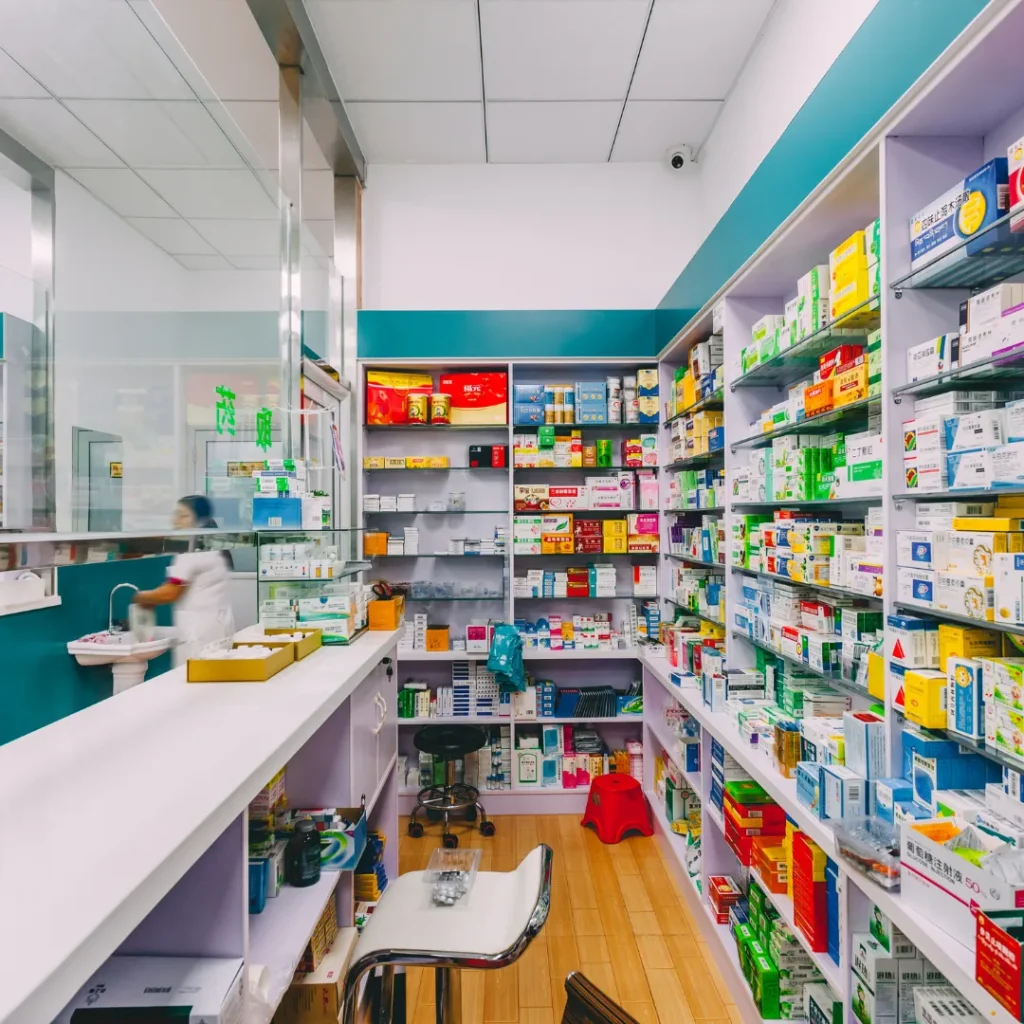
The LICQual Level 3 Diploma in Infectious Diseases Pharmacy is a specialized qualification designed to provide learners with a clear and practical understanding of how pharmacy practice supports the prevention, treatment, and management of infectious diseases. The purpose of the program is to equip learners with the knowledge and skills needed to contribute to safer healthcare practices and improve patient outcomes in areas where infectious diseases are a major concern.
One of the key benefits of this diploma is that it combines theoretical knowledge with practical application. Learners gain insights into how infectious diseases are managed in hospitals, clinics, and community health settings, while also developing skills in medication safety, patient communication, and collaboration with healthcare professionals. The course emphasizes real-world scenarios and case studies, helping learners build confidence in handling complex situations such as antimicrobial stewardship, infection prevention, and patient support. This practical approach ensures that learners are prepared to apply their knowledge effectively in diverse healthcare environments.
Completing this qualification offers strong career advantages. It enhances professional credibility and opens opportunities in pharmacy, healthcare, and public health services where infectious disease management is critical. Learners gain specialized expertise that sets them apart in the healthcare sector, making them valuable assets to employers who prioritize safe and effective infection control. This makes it an excellent choice for learners who want to strengthen their career prospects, contribute to global health standards, and play a meaningful role in advancing infectious diseases pharmacy practice.
Course Overview
Awarding Body
LICQual
Credits
60
Study Mood
Online
Assessment
Assignments Based
Course Study Units
- Principles of Infectious Diseases
- Fundamentals of Microbiology and Immunology
- Pharmacology of Antimicrobial Agents
- Antimicrobial Stewardship and Resistance
- Clinical Pharmacy Practice in Infectious Diseases
- Research and Professional Development in Pharmacy

Entry Requirements
Who Can Enroll
This course is designed for learners who want to specialize in infectious diseases pharmacy and contribute to safer healthcare practices.
- Pharmacy staff interested in infection management
- Healthcare workers handling infectious disease medicines
- Learners with science or healthcare background
- Professionals in hospitals, clinics, or community health services
- Individuals aiming to improve patient safety and communication skills
- Those seeking career growth in infectious diseases pharmacy
Course Learning Outcomes
Unit 1: Principles of Infectious Diseases
By the end of this unit, learners will be able to:
- Explain the classification, causes, and modes of transmission of major infectious diseases.
- Analyse the global epidemiology of infectious diseases and their impact on healthcare systems.
- Identify risk factors, prevention strategies, and control measures for infectious diseases.
- Evaluate the role of public health interventions in reducing the burden of infections.
Unit 2: Fundamentals of Microbiology and Immunology
By the end of this unit, learners will be able to:
- Describe the structure, function, and characteristics of key microorganisms relevant to human disease.
- Explain the principles of host-pathogen interactions and disease progression.
- Analyse the body’s immune responses to infectious agents.
- Apply microbiological and immunological knowledge to pharmacy practice in infection management.
Unit 3: Pharmacology of Antimicrobial Agents
By the end of this unit, learners will be able to:
- Demonstrate understanding of the pharmacodynamics and pharmacokinetics of antimicrobial drugs.
- Classify antimicrobial agents according to their mechanisms of action and therapeutic uses.
- Evaluate the clinical applications and limitations of antibiotics, antivirals, antifungals, and antiparasitics.
- Assess drug interactions, side effects, and safe prescribing practices in infectious disease treatment.
Unit 4: Antimicrobial Stewardship and Resistance
By the end of this unit, learners will be able to:
- Define the principles and objectives of antimicrobial stewardship programmes.
- Analyse the causes and consequences of antimicrobial resistance globally.
- Apply evidence-based strategies to optimise antimicrobial prescribing and minimise resistance.
- Evaluate international guidelines and policies for infection control and stewardship.
Unit 5: Clinical Pharmacy Practice in Infectious Diseases
By the end of this unit, learners will be able to:
- Demonstrate clinical decision-making in the management of patients with infectious diseases.
- Apply evidence-based guidelines to optimise drug therapy and patient outcomes.
- Collaborate effectively within multidisciplinary healthcare teams to improve patient care.
- Evaluate case studies to identify best practices in infectious diseases pharmacy.
Unit 6: Research and Professional Development in Pharmacy
By the end of this unit, learners will be able to:
- Reflect on professional responsibilities, ethical considerations, and lifelong learning in pharmacy.
- Demonstrate skills in research design, data analysis, and interpretation within pharmacy practice.
- Critically appraise scientific literature related to infectious diseases and pharmacotherapy.
- Develop a personal Continuing Professional Development (CPD) plan aligned with career goals.