LICQual Level 3 Diploma in Medicinal Chemistry (Dip Medicinal Chemistry)
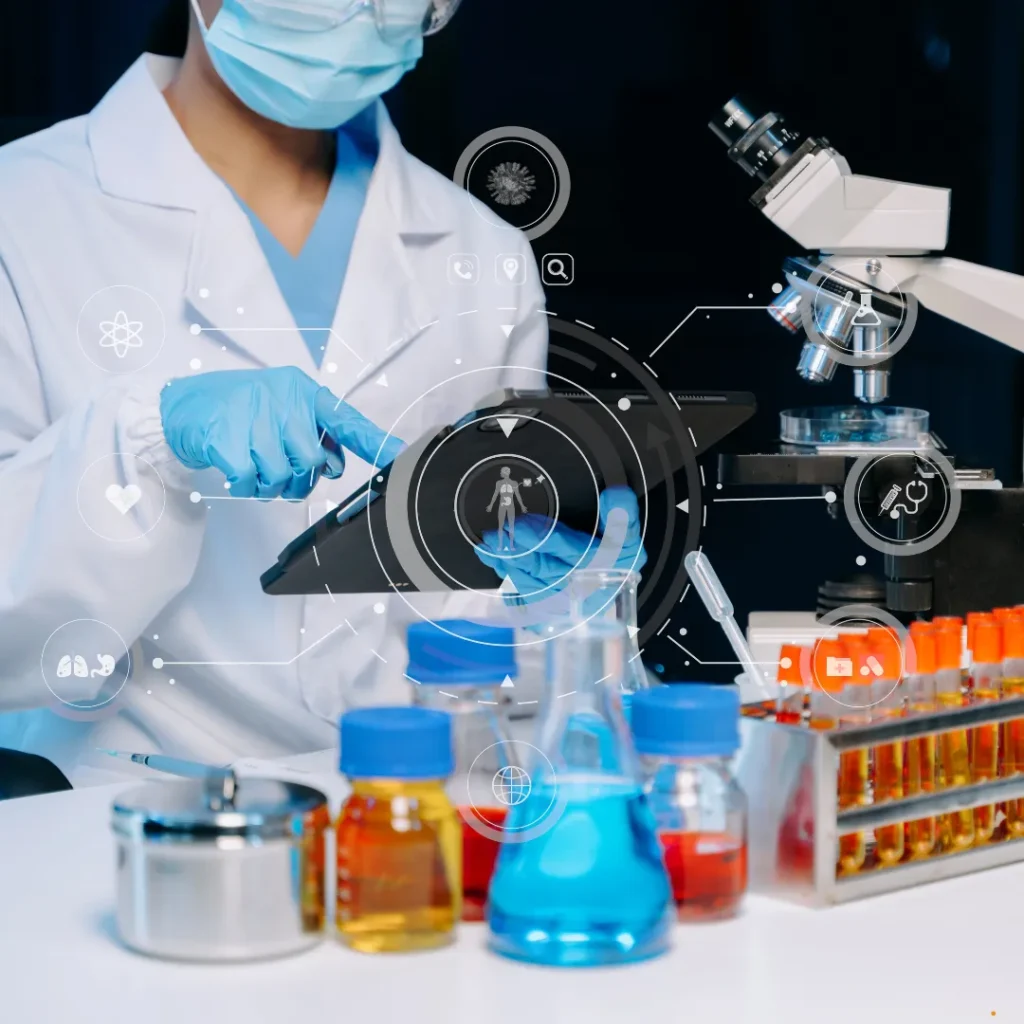
The LICQual Level 3 Diploma in Medicinal Chemistry is a specialized qualification designed to give learners a clear understanding of how chemistry is applied to the discovery and development of medicines. Medicinal chemistry focuses on the design, synthesis, and analysis of pharmaceutical compounds, ensuring they are safe, effective, and suitable for patient use. The purpose of this course is to provide learners with the scientific knowledge and practical skills needed to contribute to the advancement of modern medicine.
One of the key benefits of this diploma is its practical and industry-focused approach. Learners explore essential topics such as drug design, molecular interactions, and chemical properties of medicines, while also gaining insights into safety, quality, and regulatory standards. The course uses real-world examples and case studies to connect theory with practice, helping learners understand how chemistry directly impacts healthcare and patient outcomes.
Completing this qualification offers strong career advantages. It enhances professional credibility and opens opportunities in pharmaceutical companies, research laboratories, and healthcare organizations where drug development and testing are essential. Learners gain specialized expertise that sets them apart in the industry, making them valuable assets to employers who prioritize innovation and safe medicine practices. This makes it an excellent choice for learners who want to strengthen their career prospects and play a meaningful role in advancing medicinal chemistry.
Course Overview
Awarding Body
LICQual
Credits
60
Study Mood
Online
Assessment
Assignments Based
Course Study Units
- Fundamentals of Medicinal Chemistry
- Organic and Inorganic Chemistry in Medicine
- Drug Design and Development
- Pharmacology and Mechanism of Action
- Laboratory Techniques and Experimental Practices
- Professional Development and Ethics in Medicinal Chemistry

Entry Requirements
Who Can Enroll
This course is designed for learners who want to understand how chemistry is applied to medicine development and contribute to safe and effective healthcare solutions.
- Pharmacy staff interested in drug design
- Healthcare professionals working with medicines
- Learners with science or healthcare background
- Individuals aiming to learn chemical properties of drugs
- Professionals supporting medicine safety and regulation
- Those seeking career growth in pharmaceutical sciences
Course Learning Outcomes
Unit 1: Fundamentals of Medicinal Chemistry
- Explain the fundamental principles of medicinal chemistry and molecular interactions.
- Identify the role of chemical structures in drug function and therapeutic applications.
- Analyse the importance of chemistry in modern healthcare and drug discovery.
- Apply basic medicinal chemistry concepts to real-world scenarios.
Unit 2: Organic and Inorganic Chemistry in Medicine
- Demonstrate knowledge of key organic and inorganic chemistry principles relevant to medicine.
- Explain how chemical reactions and structures influence drug behaviour.
- Analyse the applications of organic and inorganic compounds in pharmaceuticals.
- Apply chemical knowledge to support drug design and development.
Unit 3: Drug Design and Development
- Explain the process of drug design, including structure-activity relationships.
- Analyse the stages of drug development from discovery to pre-clinical testing.
- Evaluate methods used in molecular modelling and rational drug design.
- Apply theoretical principles to hypothetical drug development projects.
Unit 4: Pharmacology and Mechanism of Action
- Explain pharmacokinetics, pharmacodynamics, and drug-receptor interactions.
- Analyse biochemical mechanisms underlying drug action.
- Evaluate factors affecting drug efficacy, metabolism, and toxicity.
- Apply pharmacological knowledge to case studies and real-world scenarios.
Unit 5: Laboratory Techniques and Experimental Practices
- Demonstrate safe and effective use of laboratory equipment and techniques.
- Design and conduct experiments following good laboratory practices (GLP).
- Analyse experimental data accurately and draw valid scientific conclusions.
- Apply laboratory findings to support medicinal chemistry research and development.
Unit 6: Professional Development and Ethics in Medicinal Chemistry
- Design a professional development plan aligned with career progression in medicinal chemistry.
- Demonstrate commitment to Continuing Professional Development (CPD).
- Apply ethical principles and scientific integrity in professional practice.
- Reflect on personal skills, strengths, and areas for improvement.