LICQual Level 3 Diploma in National Pool Management Qualification (NPMQ)
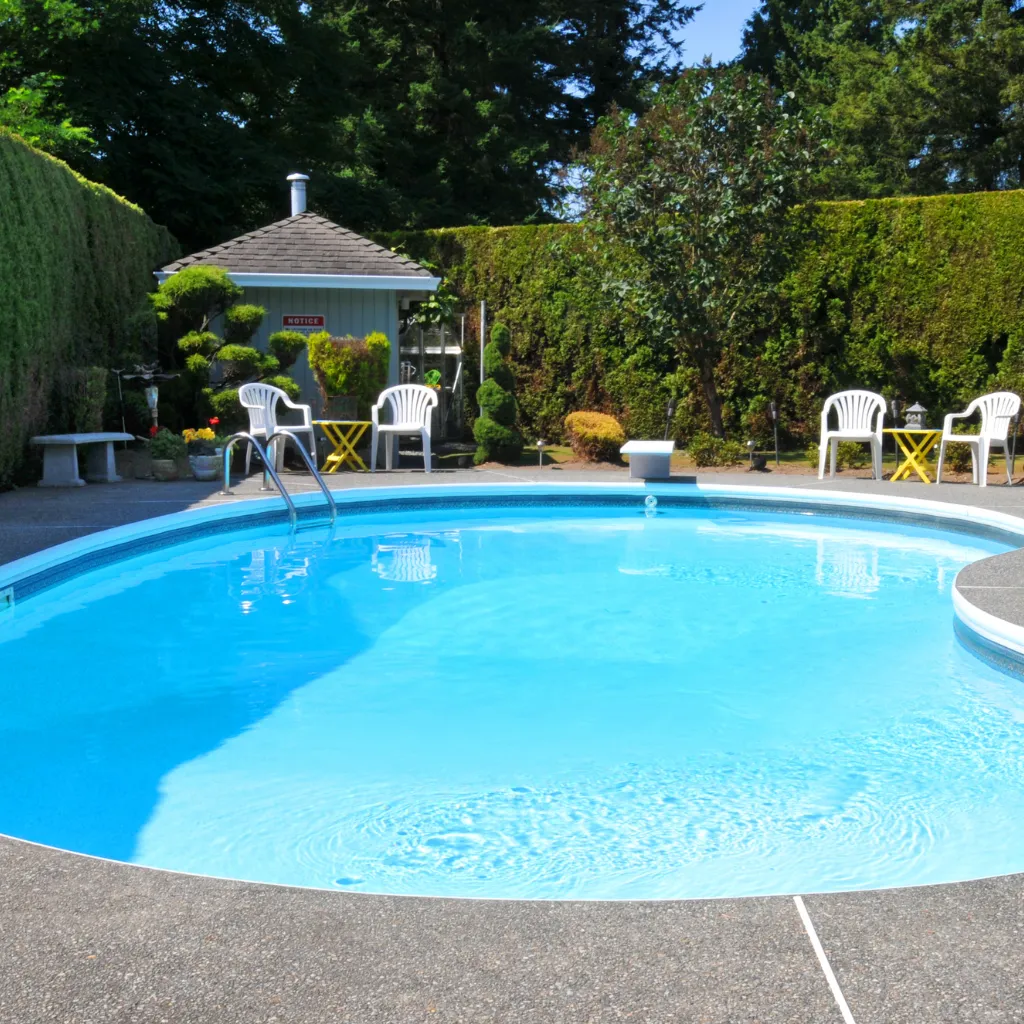
The LICQual Level 3 Diploma in National Pool Management Qualification (NPMQ) is a professionally structured programme designed for individuals responsible for the safe, efficient, and compliant operation of swimming pools, leisure facilities, aquatic Centers, and recreational water environments. As public expectations and regulatory requirements continue to evolve, effective pool management has become a critical function that directly impacts user safety, operational performance, and facility reputation.
Covering key areas such as pool plant operations, water quality management, health and safety compliance, risk assessment, emergency planning, staff supervision, and customer service excellence, the diploma equips learners with industry-relevant skills applicable across public, private, educational, hospitality, and community-based aquatic facilities. The programme focuses on real-world operational challenges, helping professionals maintain safe environments while improving efficiency, sustainability, and regulatory compliance.
Recognised as a valuable credential within the leisure and recreation sector, the LICQual Level 3 Diploma in National Pool Management Qualification (NPMQ) supports career advancement into supervisory and management-level roles. It strengthens professional credibility, enhances leadership capabilities, and demonstrates a commitment to best practices in aquatic facility management. Graduates gain a competitive advantage in a sector where safety, operational excellence, and compliance remain essential organisational priorities.
Course Overview
Awarding Body
LICQual
Credits
60
Study Mode
Online
Assessment
Assignment Based
Study Units
- Principles of Pool and Aquatic Facility Management
- Water Quality Control and Maintenance
- Risk Assessment and Safety Compliance in Aquatic Environments
- Emergency Planning and Incident Management
- Leadership and Staff Management in Aquatic Facilities
- Legal, Regulatory, and Environmental Responsibilities

Entry Requirements
- Minimum Age: 18 years or above.
- Education: Basic secondary education or equivalent qualification/workplace experience.
- Language: Good understanding of English (reading, writing, speaking, and comprehension).
- Experience: Prior experience in pool operations, lifeguarding, aquatic facilities, or health and safety is beneficial but not required.
Who Can Enroll
Diploma in National Pool Management is designed for individuals involved in the management, supervision, and operation of swimming pools and aquatic facilities.
- Pool Managers and Assistant Pool Managers
- Pool Supervisors and Duty Managers
- Lifeguards seeking career progression
- Aquatic Facility and Leisure Centre Staff
- Health and Safety Personnel in Recreational Facilities
- Sports and Recreation Professionals
- Facility Operations and Maintenance Staff
- Individuals aspiring to work in pool management roles
Course Learning Outcomes
Principles of Pool and Aquatic Facility Management
- Explain the key components and operational requirements of aquatic facilities.
- Describe facility layout, equipment, and resource management essential for pool operations.
- Apply best practices to maintain a safe and welcoming environment for pool users.
- Analyse factors affecting pool performance and user satisfaction.
Water Quality Control and Maintenance
- Demonstrate understanding of water chemistry and its impact on swimmer health and safety.
- Conduct water testing and interpret results to maintain chemical balance.
- Implement routine maintenance procedures for filtration and disinfection systems.
- Identify and resolve common water quality issues in pools and aquatic facilities.
Risk Assessment and Safety Compliance in Aquatic Environments
- Identify potential hazards and risks within aquatic facilities.
- Conduct thorough risk assessments using recognised frameworks and tools.
- Develop and implement safety policies to ensure compliance with legal and regulatory standards.
- Monitor and review safety procedures to promote continuous improvement.
Emergency Planning and Incident Management
- Develop comprehensive emergency response plans for aquatic facilities.
- Coordinate effective responses to incidents including rescues, injuries, and evacuations.
- Train staff in emergency procedures and conduct regular drills.
- Evaluate emergency responses and update plans to enhance preparedness.
Leadership and Staff Management in Aquatic Facility
- Apply leadership skills to supervise and motivate aquatic facility teams.
- Communicate effectively with staff, management, and stakeholders.
- Manage workforce scheduling, training, and performance appraisal.
- Foster a culture of safety, professionalism, and teamwork within the facility.
Legal, Regulatory, and Environmental Responsibilities
- Interpret relevant laws, regulations, and standards applicable to pool management.
- Ensure facility compliance with health, safety, and environmental legislation.
- Maintain accurate records and documentation for auditing and reporting.
- Implement sustainable practices to minimise environmental impact.