LICQual Level 3 Diploma in National Pool Plant Operators Certificate
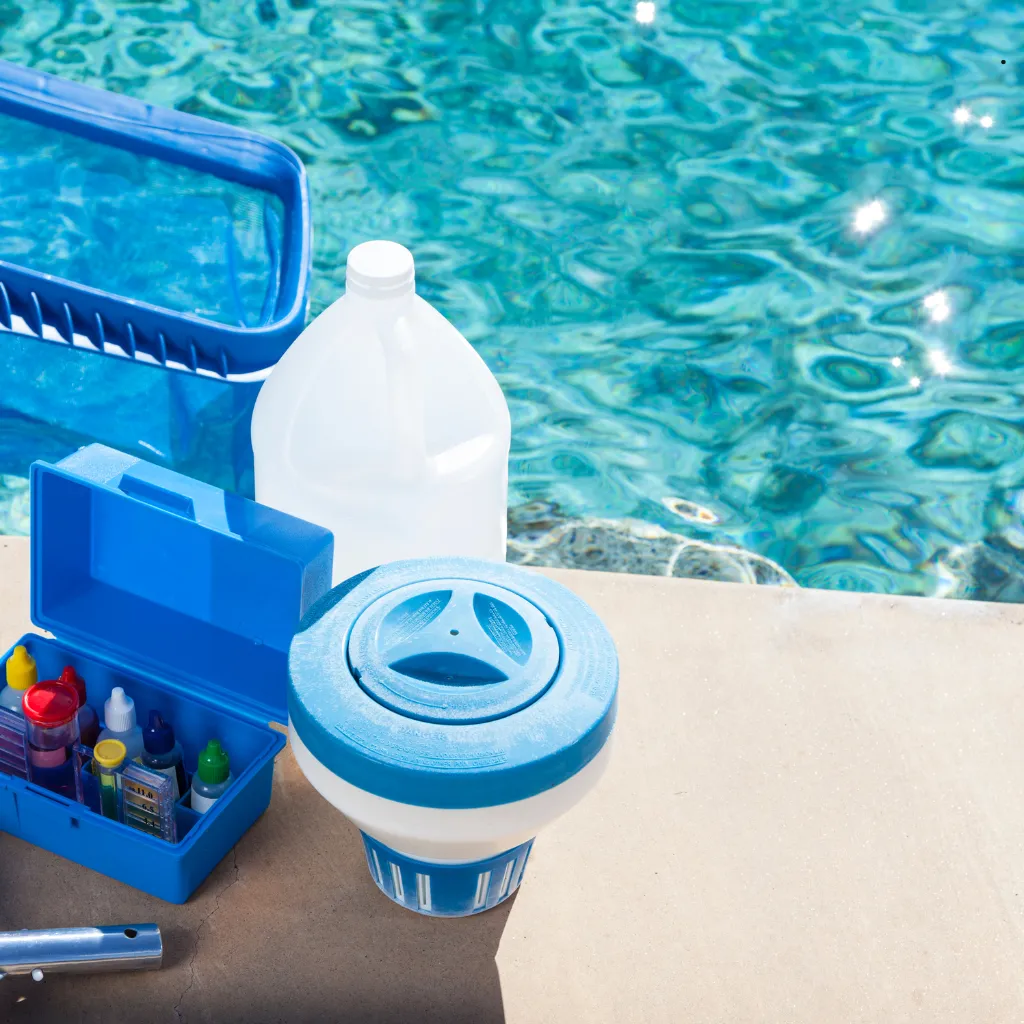
The performance and safety of any swimming pool facility depend heavily on the effectiveness of its pool plant operations. The LICQual Level 3 Diploma in National Pool Plant Operators Certificate is designed to develop the technical expertise required to manage, monitor, and maintain pool plant systems that ensure clean, safe, and compliant aquatic environments. This qualification focuses on the critical operational processes that support water treatment, circulation, filtration, and disinfection within commercial and public swimming pool facilities.
Through a practical and industry-focused curriculum, learners gain in-depth knowledge of pool water chemistry, plant room management, equipment maintenance, water quality monitoring, risk control measures, and operational troubleshooting. The programme addresses the real-world challenges faced by pool plant operators, helping them maintain optimal water conditions, improve system efficiency, reduce equipment failures, and comply with health and safety requirements.
As regulatory expectations and public health standards continue to evolve, qualified pool plant operators play an increasingly important role in facility management. The LICQual Level 3 Diploma enhances professional credibility, supports career progression, and equips learners with specialised skills sought by employers throughout the aquatic and leisure industry. Graduates are well positioned to contribute to operational excellence, regulatory compliance, and the long-term sustainability of modern swimming pool facilities.
Course Overview
Awarding Body
LICQual
Credits
60
Study Mode
Online
Assessment
Assignment Based
Study Units
- Principles of Pool Water Chemistry and Treatment
- Operation and Maintenance of Pool Plant Equipment
- Chemical Handling, Storage, and Safety Procedures
- Monitoring and Testing Water Quality
- Troubleshooting and Repair of Pool Plant Systems
- Health, Safety, and Environmental Compliance

Entry Requirements
- Minimum Age: 18 years or above.
- Education: Basic secondary education or equivalent qualification/workplace experience.
- Language: Good understanding of English (reading, writing, speaking, and comprehension).
- Experience: Previous experience in pool operations, plant room maintenance, aquatic facilities, engineering, or health and safety is beneficial but not mandatory.
Who Can Enroll
This qualification is ideal for individuals responsible for swimming pool plant operations, water quality management, and facility maintenance.
- Pool Plant Operators
- Swimming Pool Technicians
- Pool Maintenance Personnel
- Leisure Centre and Aquatic Facility Staff
- Facilities and Operations Managers
- Hotel and Resort Pool Supervisors
- Health and Safety Professionals
- Engineers and Maintenance Technicians
- Lifeguards seeking technical career advancement
- Individuals aspiring to work in pool plant operations
Course Learning Outcomes
Principles of Pool Water Chemistry and Treatment
- Explain the fundamental principles of pool water chemistry and the importance of chemical balance.
- Describe the processes of water treatment including disinfection, filtration, and pH control.
- Identify the effects of various chemicals on water quality and swimmer health.
- Apply knowledge of water chemistry to maintain safe and hygienic pool environments.
Operation and Maintenance of Pool Plant Equipment
- Demonstrate effective operation of pool plant systems including pumps, filters, heaters, and chlorinators.
- Perform routine maintenance and inspection tasks to ensure optimal equipment function.
- Recognize signs of equipment malfunction and take appropriate action.
- Follow manufacturer guidelines and safety standards during operation and maintenance.
Chemical Handling, Storage, and Safety Procedures
- Identify types of chemicals used in pool water treatment and their hazards.
- Demonstrate safe handling, storage, and transportation of pool chemicals.
- Implement procedures to prevent chemical accidents and exposure.
- Respond effectively to chemical spills and related emergencies.
Monitoring and Testing Water Quality
- Conduct accurate water sampling and use appropriate testing methods.
- Interpret water quality data including pH, chlorine levels, turbidity, and contaminants.
- Maintain records of water quality testing in compliance with regulatory standards.
- Adjust treatment processes based on monitoring results to ensure water safety.
Troubleshooting and Repair of Pool Plant Systems
- Diagnose common faults and operational issues in pool plant equipment.
- Apply problem-solving techniques to restore system functionality.
- Perform basic repairs and preventative maintenance safely and efficiently.
- Recognize when specialist technical support is required and escalate appropriately.
Health, Safety, and Environmental Compliance
- Understand health and safety legislation relevant to pool plant operations.
- Conduct risk assessments and implement control measures to ensure safe working conditions.
- Apply environmental best practices to minimise pollution and resource waste.
- Maintain compliance with industry standards, reporting, and documentation requirements.