LICQual Level 3 Diploma in Pharmaceutical Sciences (Dip Pharmaceutical Sciences)
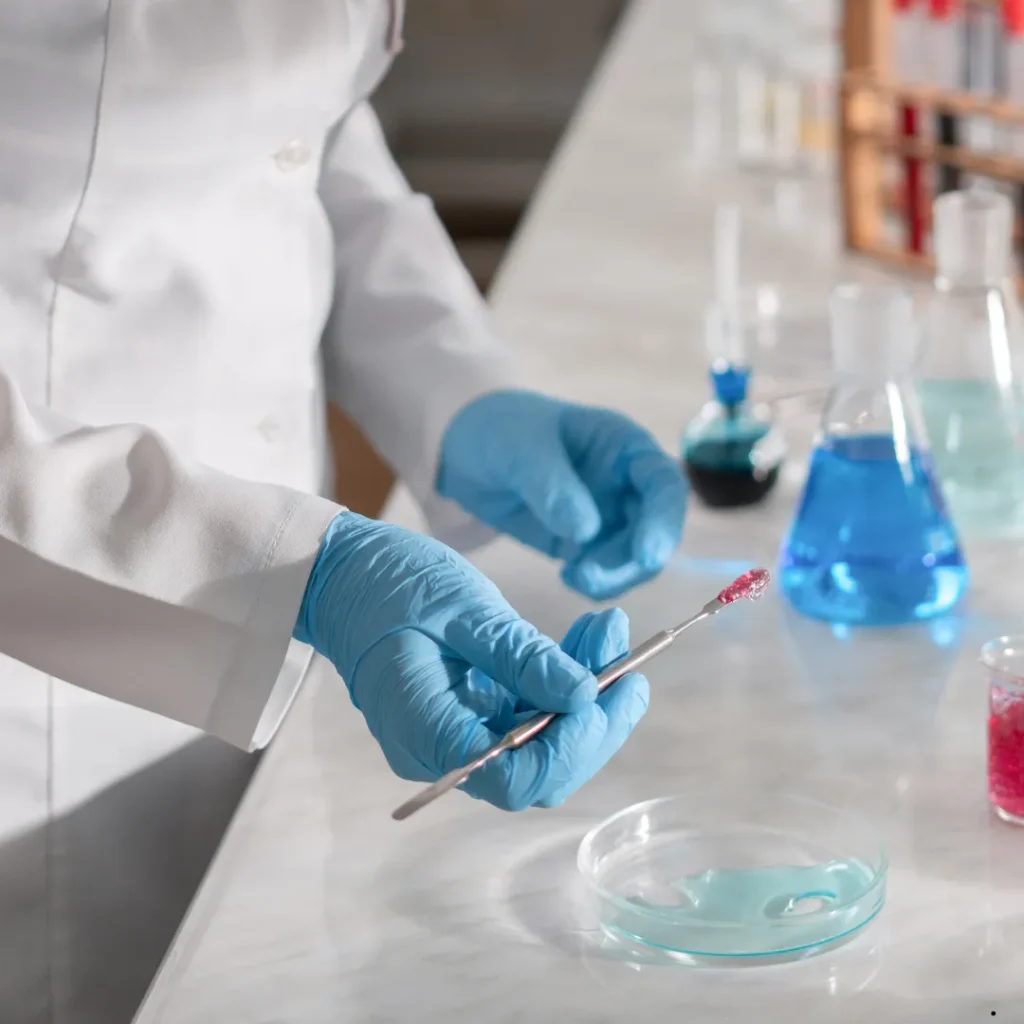
LICQual Level 3 Diploma in Pharmaceutical Sciences (Dip Pharmaceutical Sciences) is a comprehensive qualification designed for individuals seeking a deep understanding of the scientific principles underpinning drug development and action.It serves as an essential scientific bedrock for those aiming to pursue careers in pharmaceutical research, development, manufacturing, or regulatory affairs, bridging the gap between basic science and its practical application in creating safe and effective medicines.
The benefits of completing this diploma are far-reaching for those intrigued by the science of medicines. Participants will gain a robust scientific vocabulary and understanding that is highly valued by employers in the pharmaceutical industry, research institutions, and analytical laboratories. The curriculum enhances your ability to understand drug mechanisms, contribute to formulation science, and appreciate the rigorous testing required before a medicine reaches patients. This certification demonstrates to employers your strong theoretical foundation and commitment to scientific excellence, providing a versatile platform for career paths in drug development, quality control, and beyond.
You will explore key concepts in pharmacology, such as drug absorption, distribution, metabolism, and excretion, alongside the biological processes involved in disease states. By the end of this course, participants will be able to confidently explain how drugs interact with the body, perform basic analytical techniques to assess drug purity, and understand the scientific rationale behind formulation choices. Graduates will emerge as scientifically literate professionals prepared to support pharmaceutical innovation and quality, possessing the foundational knowledge to pursue advanced studies in specialized pharmaceutical science disciplines.
Course Overview
Awarding Body
LICQual
Credits
60
Study Mood
Online
Assessment
Assignments Based
Course Study Units
- Fundamentals of Pharmaceutical Sciences
- Pharmaceutical Chemistry and Formulation
- Pharmacology and Therapeutics
- Quality Assurance and Regulatory Compliance
- Analytical Techniques and Laboratory Skills
- Applied Pharmaceutical Sciences Project

Entry Requirements
Who Can Enroll
The ideal learner for this course is someone fascinated by the science behind how medicines work. They are typically:
- Science students pursuing pharmacy careers
- Laboratory assistants seeking formal qualifications
- Pharmaceutical manufacturing staff enhancing knowledge
- Recent graduates with science degrees
- Pharmacy professionals deepening scientific understanding
- Analytical minds passionate about drug discovery
Course Learning Outcomes
Unit 1: Fundamentals of Pharmaceutical Sciences
- Explain the core principles of pharmaceutical science and drug development
- Describe the role of pharmaceutical sciences in patient care and healthcare systems
- Analyse the stages of drug discovery and the factors affecting drug efficacy and safety
- Demonstrate understanding of basic pharmacology and its application in practice
Unit 2: Pharmaceutical Chemistry and Formulation
- Identify the chemical composition and properties of pharmaceutical compounds
- Apply principles of formulation to create safe and effective dosage forms
- Evaluate the stability and compatibility of pharmaceutical ingredients
- Demonstrate knowledge of manufacturing techniques used in the pharmaceutical industry
Unit 3: Pharmacology and Therapeutics
- Explain the mechanisms of drug action, interactions, and metabolism
- Assess the therapeutic uses and side effects of different drug classes
- Apply pharmacological knowledge to optimise treatment outcomes
- Evaluate clinical scenarios to ensure safe and effective medication use
Unit 4: Qulity Assurance and Regulatory Compliance
- Explain Good Manufacturing Practices and quality assurance principles
- Apply regulatory requirements and standards to pharmaceutical production and distribution
- Analyse quality control processes to ensure medicine safety and effectiveness
- Evaluate the impact of non-compliance on patient safety and healthcare outcomes
Unit 5: Analytical Techniques and Laboratory Skills
- Demonstrate practical skills in pharmaceutical analysis and laboratory techniques
- Apply analytical methods to assess drug quality, purity, and potency
- Interpret experimental data to make informed decisions about pharmaceutical products
- Maintain laboratory safety and adhere to professional standards in testing
Unit 6: Applied Pharmaceutical Sciences Project
- Plan and design a project addressing a pharmaceutical science problem or case study
- Apply knowledge and analytical skills to real-world or simulated scenarios
- Demonstrate problem-solving and critical thinking in project execution
- Present project outcomes clearly, demonstrating applied understanding of pharmaceutical sciences