LICQual Level 3 Diploma in Pharmacy Data Analytics (Dip Pharmacy Data Analytics)
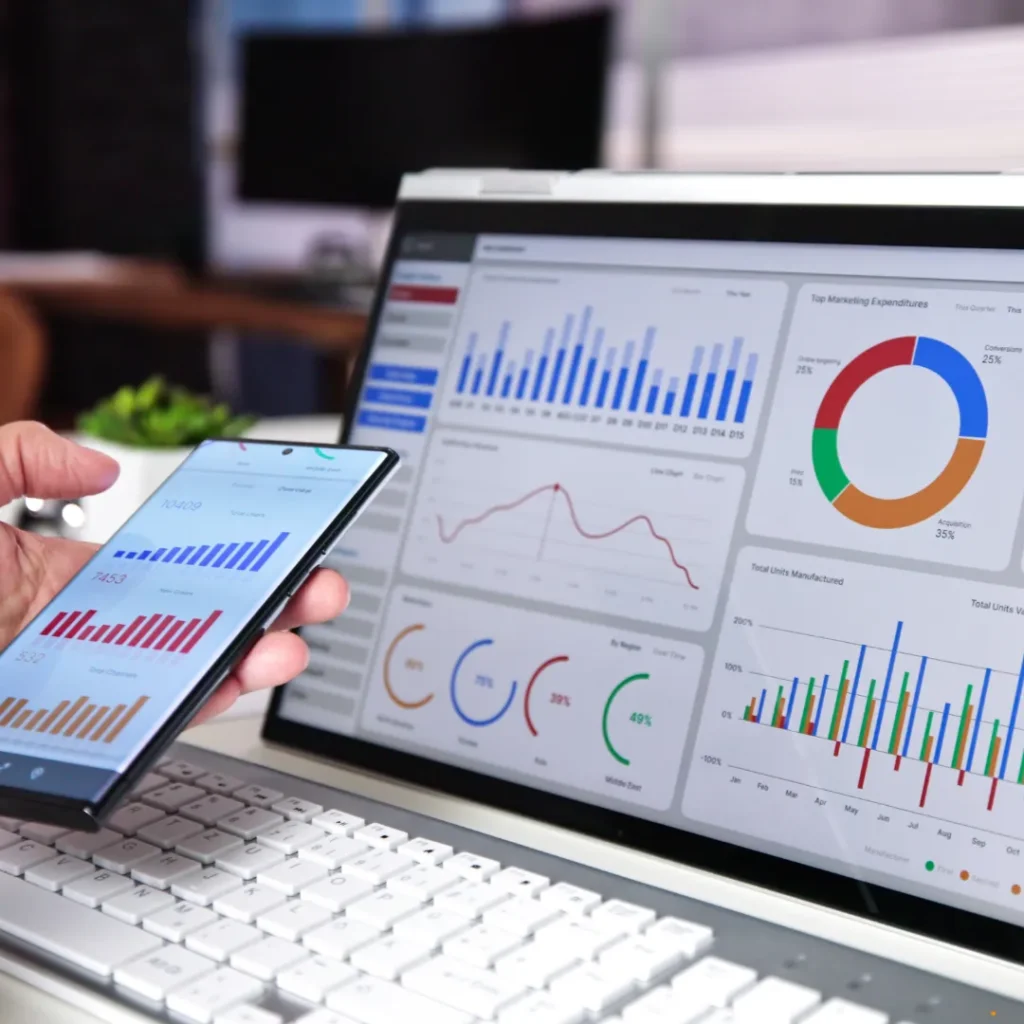
The LICQual Level 3 Diploma in Pharmacy Data Analytics (Dip Pharmacy Data Analytics) is a practical qualification designed for individuals who want to understand how data shapes modern pharmacy practice. The purpose of this diploma is to bridge the gap between pharmacy knowledge and data analysis skills, giving you the confidence to work with numbers, spot trends, and turn raw information into meaningful insights that support clinical and business outcomes.
One of the key benefits of this course is its focus on real-world, hands-on skills that you can apply immediately in your workplace. You will learn how to work with common pharmacy data sources, understand key performance indicators, and use analytical tools to identify patterns in prescribing, dispensing, and patient outcomes. This qualification empowers you to move beyond basic record-keeping and take an active role in improving efficiency, reducing errors, and supporting evidence-based decisions. Whether you work in a community pharmacy, hospital setting, or pharmaceutical organization, these skills will make you a more valuable and capable professional.
It is important to note that the LICQual Level 3 Diploma in Pharmacy Data Analytics is a stand-alone vocational qualification focused purely on developing practical expertise, rather than an academic degree. This makes it an ideal choice for pharmacy technicians, healthcare administrators, and support staff who want to specialize in data without committing to a lengthy university program. By focusing on the practical application of analytics in a pharmacy context, this course prepares you to take on data-driven responsibilities with confidence, helping your team work smarter and deliver better outcomes for patients.
Course Overview
Awarding Body
LICQual
Credits
60
Study Mood
Online
Assessment
Assignments Based
Course Study Units
- Fundamentals of Pharmacy Data Analytics
- Data Collection, Management, and Integrity in Pharmacy
- Statistical Methods and Data Interpretation
- Pharmaceutical Informatics and Digital Health Systems
- Data-Driven Decision-Making in Pharmacy Practice
- Research, Reporting, and Professional Development in Data Analytics

Entry Requirements
Who Can Enroll
This course is ideal for pharmacy and healthcare professionals who want to develop practical data analysis skills.
- Currently working in a pharmacy or healthcare setting
- Comfortable with computers and basic software
- Interested in using data to improve patient safety
- Looking to take on a more analytical role
- Keen to support better decision-making in the workplace
- Wanting a specialist skill that stands out on your CV
Course Learning Outcomes
Unit 1: Fundamentals of Pharmacy Data Analytics
By the end of this unit, learners will be able to:
- Explain the principles and importance of data analytics in pharmacy and healthcare.
- Describe key data types and sources used in pharmacy practice.
- Analyse the role of data in improving patient safety, compliance, and clinical outcomes.
- Apply foundational knowledge of analytics to pharmacy-related case studies.
Unit 2: Data Collection, Management, and Integrity in Pharmacy
By the end of this unit, learners will be able to:
- Demonstrate knowledge of data collection methods in pharmacy and healthcare settings.
- Evaluate techniques for ensuring data accuracy, confidentiality, and security.
- Apply principles of ethical data management and governance.
- Assess challenges in maintaining data integrity and propose practical solutions.
Unit 3: Statistical Methods and Data Interpretation
By the end of this unit, learners will be able to:
- Explain key statistical concepts relevant to pharmacy data analytics.
- Apply statistical tools and techniques to analyse pharmaceutical datasets.
- Interpret data results to support evidence-based pharmacy practice.
- Present statistical findings in a clear and professional format.
Unit 4: Pharmaceutical Informatics and Digital Health Systems
By the end of this unit, learners will be able to:
- Describe the role of pharmacy informatics in digital health transformation.
- Evaluate the use of electronic health records and clinical information systems.
- Demonstrate knowledge of digital tools and technologies used in pharmacy.
- Assess the benefits and challenges of digital integration in healthcare delivery.
Unit 5: Data-Driven Decision-Making in Pharmacy Practice
By the end of this unit, learners will be able to:
- Apply data analytics to improve pharmacy operations and patient care.
- Evaluate pharmacy data for trends, risks, and opportunities.
- Use data insights to support compliance, cost-effectiveness, and efficiency.
- Demonstrate decision-making skills using real-world pharmacy data scenarios.
Unit 6: Research, Reporting, and Professional Development in Data Analytics
By the end of this unit, learners will be able to:
- Plan and conduct small-scale pharmacy data research projects.
- Critically evaluate data sources and apply evidence-based methods.
- Produce professional reports with accurate analysis and recommendations.
- Reflect on personal development needs and plan for Continuing Professional Development (CPD).