LICQual Level 3 Diploma in Pharmacy Practice Research (Dip Pharmacy Practice Research)
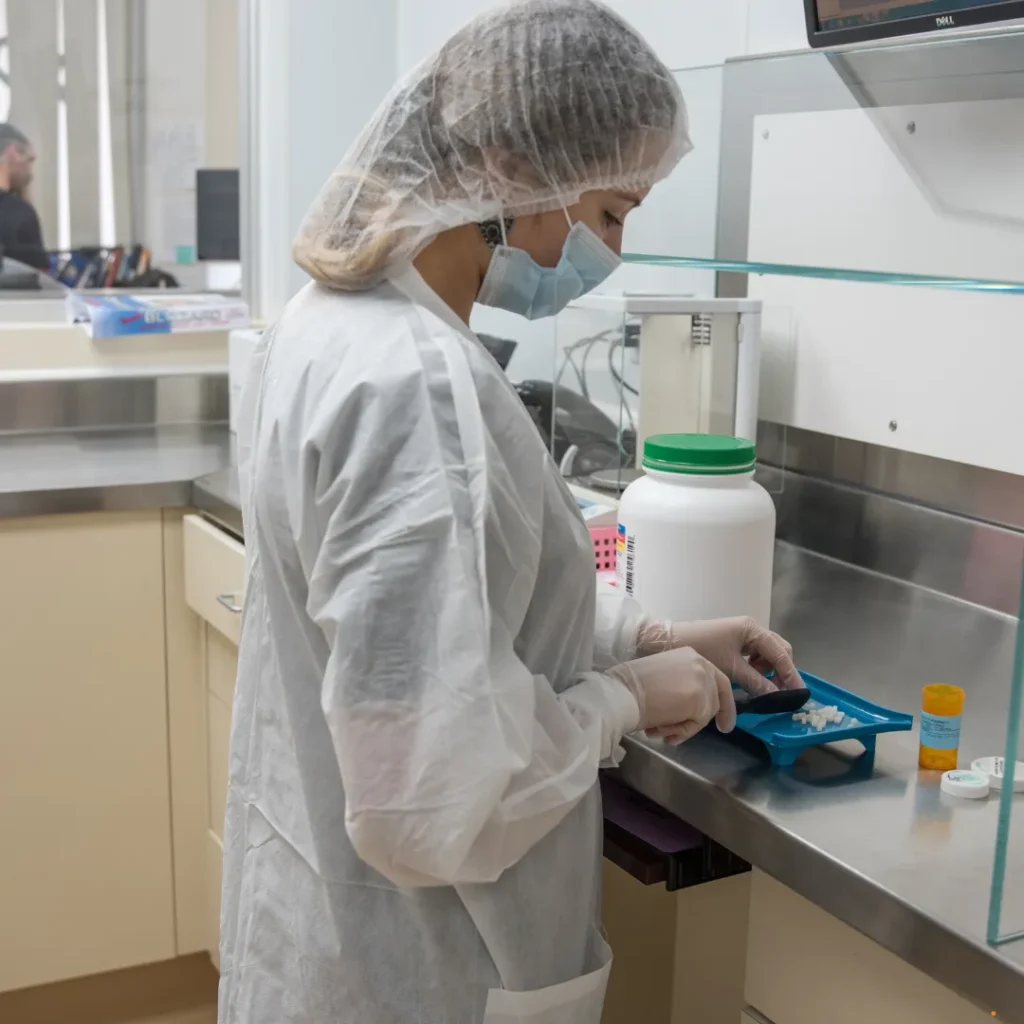
The LICQual Level 3 Diploma in Pharmacy Practice Research (Dip Pharmacy Practice Research) is a professional qualification designed to give learners a deep and practical understanding of how research is applied within pharmacy practice. Its purpose is to help individuals explore the role of evidence-based research in improving patient care, shaping healthcare policies, and strengthening professional standards. The course introduces learners to the fundamentals of research design, data collection, analysis, and ethical considerations, all explained in clear and accessible language.
One of the key benefits of this diploma is the development of essential research skills that are directly relevant to pharmacy and healthcare environments. Learners gain the ability to critically evaluate information, design small-scale studies, and interpret findings to support better decision-making in patient care. These skills are not only valuable for pharmacy practice but also transferable across wider healthcare roles, making learners more versatile and effective in their professional journey.
Learners become more confident in applying research methods to everyday pharmacy practice, enabling them to contribute to innovation, safety, and improved healthcare delivery. The qualification enhances credibility by showing employers and colleagues that learners can approach problems with evidence-based solutions and a strong ethical foundation. With its structured, user-friendly approach, the LICQual Level 3 Diploma in Pharmacy Practice Research is an excellent choice for individuals who want to strengthen their expertise, improve patient outcomes, and build a solid foundation in pharmacy-related research.
Course Overview
Awarding Body
LICQual
Credits
60
Study Mood
Online
Assessment
Assignments Based
Course Study Units
- Introduction to Pharmacy Research
- Research Ethics and Governance
- Research Methodologies
- Data Collection and Analysis
- Evidence-Based Practice
- Research Reporting and Dissemination

Entry Requirements
Who Can Enroll
This diploma is designed for individuals who want to strengthen their knowledge and skills in pharmacy practice research, whether they are new to the field or already working in healthcare.
- Interested in pharmacy practice and healthcare improvement
- Keen to learn research methods and evidence-based approaches
- Looking to enhance professional credibility and workplace skills
- Motivated to apply research findings in real-world scenarios
- Seeking structured, easy-to-understand learning content
Course Learning Outcomes
Unit 1: Introduction to Pharmacy Research
Learning Outcomes:
- Understand the role and importance of research in pharmacy practice.
- Explain different types of research relevant to pharmacy and healthcare.
- Recognise how research contributes to evidence-based practice and patient care.
- Identify key principles of professional conduct in research activities.
Unit 2: Research Ethics and Governance
Learning Outcomes:
- Apply ethical principles in planning and conducting pharmacy research.
- Demonstrate knowledge of legal and regulatory requirements for research.
- Evaluate issues of informed consent, confidentiality, and patient protection.
- Understand the processes for ethical review and approval in research projects.
Unit 3: Research Methodologies
Learning Outcomes:
- Compare and contrast qualitative and quantitative research methods.
- Design a basic research study relevant to pharmacy practice.
- Develop clear research objectives, questions, and hypotheses.
- Select appropriate sampling methods for different research scenarios.
Unit 4: Data Collection and Analysis
Learning Outcomes:
- Collect, organise, and validate data using appropriate methods and tools.
- Analyse data using basic statistical techniques and software.
- Interpret research results accurately and critically.
- Present data clearly for professional or academic purposes.
Unit 5: Evidence-Based Practice
Learning Outcomes:
- Critically appraise scientific literature for validity and relevance.
- Apply research findings to improve pharmacy practice and patient care.
- Evaluate the impact of evidence-based interventions in clinical settings.
- Demonstrate problem-solving skills in implementing research outcomes.
Unit 6: Research Reporting and Dissemination
Learning Outcomes:
- Evaluate the impact of research on pharmacy practice and healthcare delivery.
- Prepare comprehensive and ethically sound research reports.
- Communicate research findings effectively to colleagues, stakeholders, and patients.
- Apply professional writing and presentation standards in research dissemination.