LICQual Level 7 Postgraduate Diploma in Medication Safety and Quality Assurance (PgD Medication Safety)
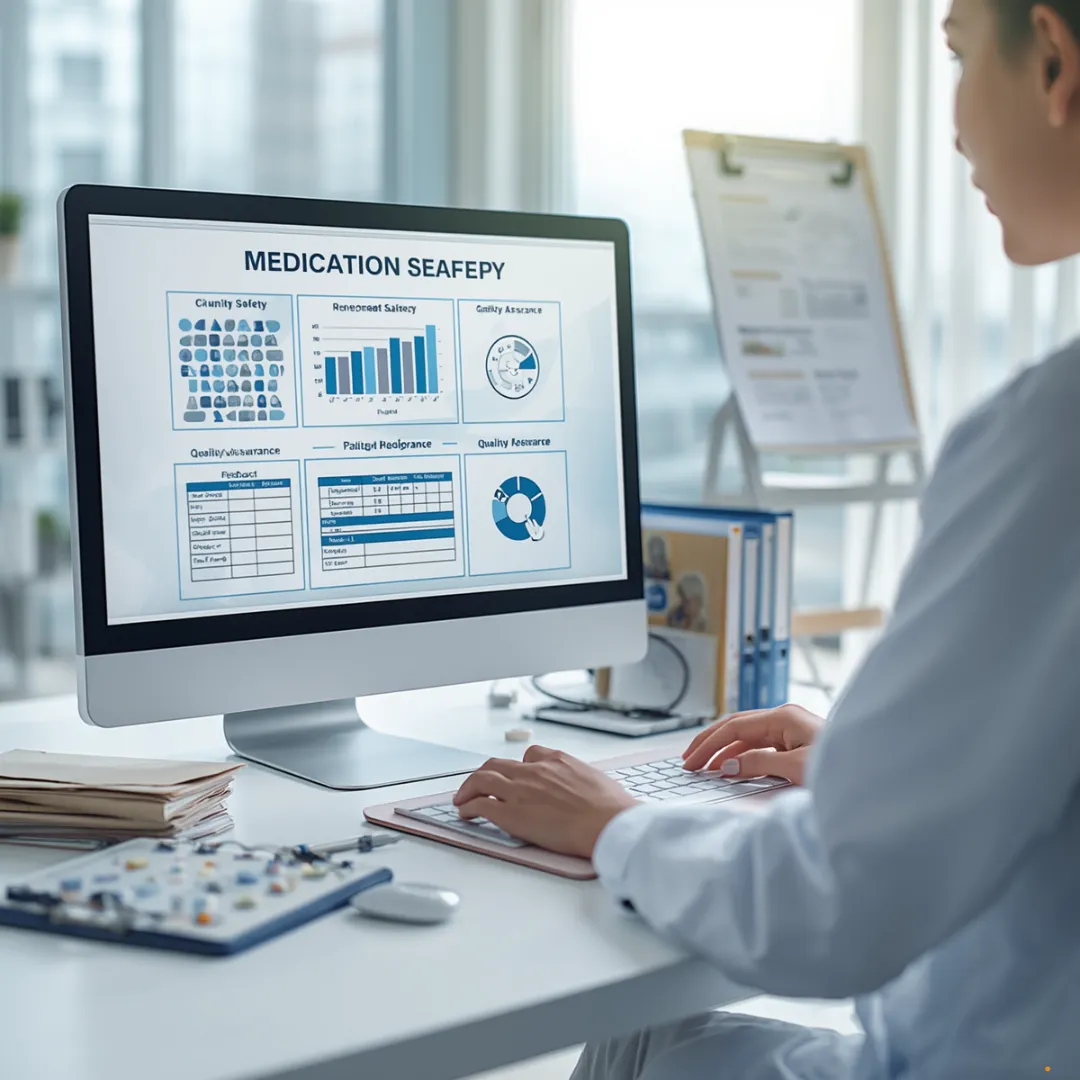
The LICQual Level 7 Postgraduate Diploma in Medication Safety and Quality Assurance (PgD Medication Safety) is an advanced professional qualification designed for healthcare and pharmacy professionals who aim to enhance patient safety, reduce medication errors, and improve quality assurance systems in healthcare settings. This internationally recognized program provides in-depth knowledge of medication safety principles, clinical risk management, and quality improvement strategies used in modern healthcare systems.
The course covers essential areas such as medication error prevention, pharmacovigilance, clinical governance, healthcare quality standards, patient safety protocols, pharmaceutical auditing, and regulatory compliance. Learners will also gain practical skills in identifying, analyzing, and managing risks associated with medication use, ensuring safe and effective patient care across healthcare environments.
The LICQual Level 7 PgD Medication Safety and Quality Assurance is ideal for pharmacists, nurses, healthcare professionals, clinical practitioners, and individuals working in hospital or community healthcare settings. It prepares learners for advanced roles in medication safety units, quality assurance departments, hospital pharmacies, and healthcare regulatory organizations.
Graduates can pursue careers such as medication safety officers, clinical risk managers, quality assurance specialists, and healthcare compliance professionals. This qualification also supports career progression into senior leadership roles and further academic study in patient safety, clinical governance, and healthcare quality management worldwide.
Course Overview
Modules
06
Credits
120
Study Mode
Online
Assessment
Assignment Based
Course Study Units
- Principles of Medication Safety
- Clinical Governance and Quality Assurance
- Pharmacovigilance and Risk Management
- Regulatory Frameworks in Medication Safety
- Data Analytics and Safety Reporting
- Medication Safety Leadership Project

Entry Requirements
Who Can Enroll
This course is designed for healthcare professionals and graduates who want to specialize in patient safety, medication management, and healthcare quality systems.
- Pharmacists working in hospitals, community pharmacies, or clinical settings
- Nurses and clinical practitioners involved in patient care
- Doctors and healthcare professionals focusing on patient safety and treatment quality
- Graduates in pharmacy, nursing, medicine, or biomedical sciences
- Healthcare quality assurance and compliance officers
- Professionals working in hospital administration or clinical risk management
- Individuals aiming for careers in medication safety and healthcare quality improvement
Course Learning Outcomes
By the end of this course, learners will be able to:
Unit 1: Principles of Medication Safety
Learning Outcomes:
- Critically evaluate the principles and frameworks underpinning medication safety in healthcare settings.
- Analyse common medication errors and identify strategies to prevent them.
- Apply evidence-based approaches to improve patient safety and medication management.
- Demonstrate understanding of safety culture and its impact on clinical practice.
Unit 2: Clinical Governance and Quality Assurance
Learning Outcomes:
- Critically assess systems and frameworks for clinical governance and quality assurance in healthcare.
- Analyse policies, audit processes, and regulatory standards to ensure safe practice.
- Develop strategies to implement quality improvement initiatives and monitor outcomes.
- Apply leadership and management principles to enhance organisational safety and efficiency.
Unit 3: Pharmacovigilance and Risk Management
Learning Outcomes:
- Critically evaluate pharmacovigilance systems and adverse drug reaction monitoring processes.
- Apply risk assessment techniques to identify, mitigate, and manage medication-related risks.
- Analyse safety data to inform clinical decision-making and regulatory compliance.
- Develop strategies to enhance patient safety and organisational risk management practices.
Unit 4: Regulatory Frameworks in Medication Safety
Learning Outcomes:
- Analyse national and international regulatory requirements related to medication safety and quality assurance.
- Apply compliance strategies to adhere to legal and ethical standards in healthcare.
- Critically evaluate the impact of legislation and regulatory policies on clinical practice.
- Develop approaches to integrate regulatory requirements into organisational safety systems.
Unit 5: Data Analytics and Safety Reporting
Learning Outcomes:
- Apply data collection, analysis, and reporting techniques to monitor medication safety.
- Critically interpret safety reports to identify trends, risks, and areas for improvement.
- Develop evidence-based strategies to enhance patient safety and clinical outcomes.
- Demonstrate competence in using data to support organisational decision-making and quality improvement.
Unit 6: Medication Safety Leadership Project
Learning Outcomes:
- Design and implement a practical project addressing a medication safety or quality assurance challenge.
- Demonstrate advanced leadership, problem-solving, and project management skills in a healthcare context.
- Critically evaluate project outcomes using performance metrics and evidence-based indicators.
- Reflect on professional practice and propose recommendations for enhancing medication safety and quality assurance.