
LICQual Level 7 Postgraduate Diploma in Pharmaceutical Technology and Quality Assurance (PgD Level 7 Pharmaceutical Technology)
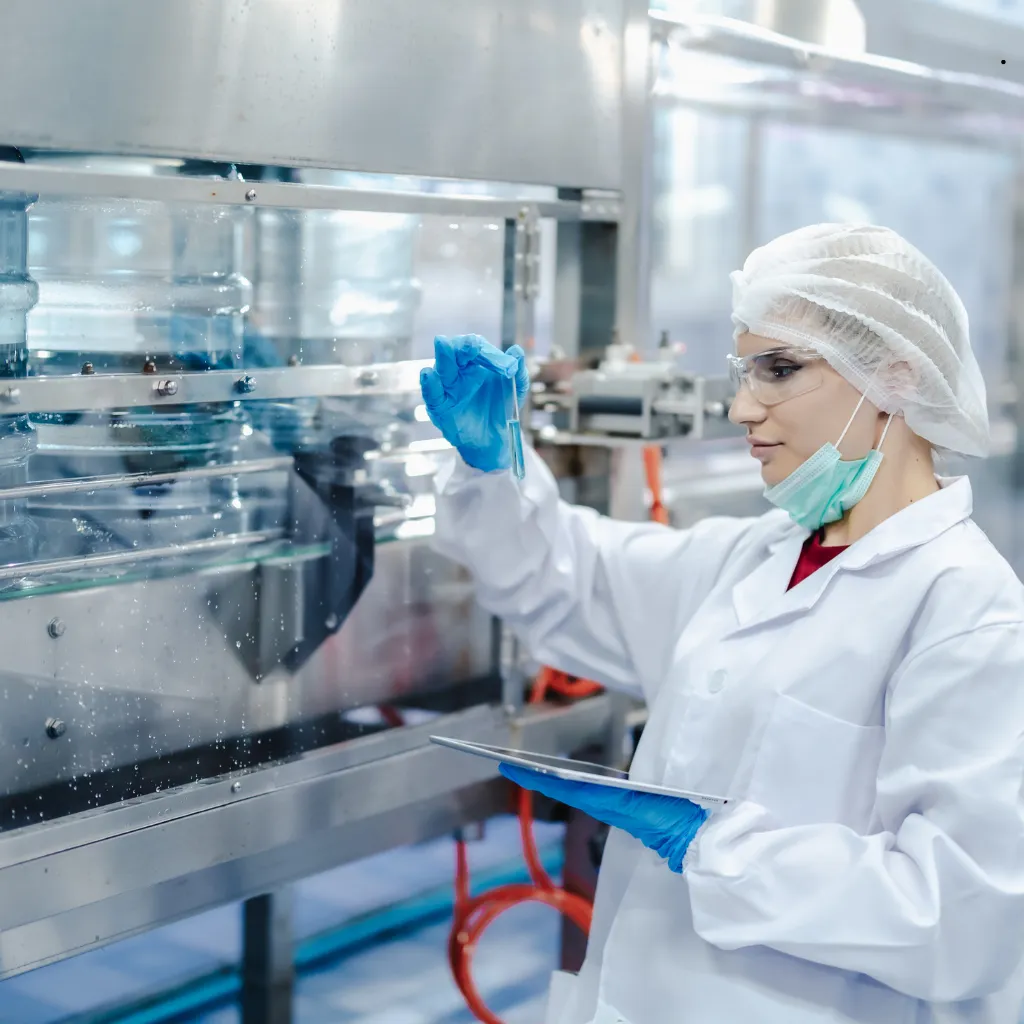
The LICQual Level 7 Postgraduate Diploma in Pharmaceutical Technology and Quality Assurance (PgD Level 7 Pharmaceutical Technology) is an advanced qualification designed for graduates and professionals who want to develop specialist knowledge in pharmaceutical manufacturing, product development, and quality systems. It focuses on the scientific and technical processes involved in producing safe and effective medicines.
This programme covers key areas such as pharmaceutical formulation, drug manufacturing techniques, quality control, validation processes, and regulatory compliance. Learners gain a strong understanding of how medicines are developed from raw materials to final products while meeting strict industry standards for safety, effectiveness, and consistency.
With the growing global demand for high-quality medicines, pharmaceutical technology and quality assurance play a critical role in ensuring patient safety and product reliability. This qualification helps learners understand industry practices used in manufacturing environments, including Good Manufacturing Practices (GMP), quality testing, and process optimisation.
The PgD in Pharmaceutical Technology and Quality Assurance supports career development in pharmaceutical companies, manufacturing units, quality control laboratories, and regulatory organisations. It prepares professionals for advanced roles in production management, quality assurance, and pharmaceutical compliance, contributing to safer and more efficient healthcare systems worldwide.
Course Overview
Awarding Body
LICQual
Credits
120
Study Mode
Online
Assessment
Assignment Based
Course Study Units
- Principles of Pharmaceutical Technology
- Advanced Manufacturing Processes in Pharmaceuticals
- Quality Assurance and Control in Pharmaceutical Practice
- Regulatory Affairs and Compliance in Pharmaceuticals
- Research, Innovation, and Technology in Pharmaceutical Development
- Leadership, Management, and Professional Development in Pharmaceuticals

Entry Requirements
Who Can Enroll
The LICQual Level 7 Postgraduate Diploma in Pharmaceutical Technology and Quality Assurance is designed for individuals who want to build advanced expertise in pharmaceutical manufacturing, quality systems, and regulatory standards. It is suitable for those aiming to develop careers in production, quality control, and pharmaceutical compliance.
This programme is ideal for:
- Pharmacy graduates and pharmaceutical science professionals
- Chemists and biology graduates interested in pharmaceutical manufacturing
- Quality control and quality assurance officers in pharma industries
- Professionals working in pharmaceutical production or laboratory environments
- Chemical and biomedical engineering graduates
- Healthcare professionals seeking roles in pharmaceutical technology
- Individuals aiming to progress into regulatory or compliance positions in the pharmaceutical sector
Course Learning Outcomes
By the end of this course, learners will be able to:
Unit 1: Principles of Pharmaceutical Technology
Learners will be able to
- Critically analyse the fundamentals of drug formulation, dosage forms, and delivery systems
- Apply knowledge of pharmaceutical materials and excipients to optimise formulations
- Evaluate strategies for developing and improving pharmaceutical products
- Develop solutions to enhance the stability, efficacy, and safety of medicines
Unit 2: Advanced Manufacturing Processes in Pharmaceuticals
Learners will be able to
- Analyse modern manufacturing techniques and process optimisation strategies
- Apply Good Manufacturing Practices (GMP) in pharmaceutical production
- Evaluate production workflows to improve efficiency, quality, and compliance
- Implement strategies for scaling up laboratory formulations to industrial production
Unit 3: Quality Assurance and Control in Pharmaceutical Practice
Learners will be able to
- Design and implement robust quality management systems for pharmaceutical products
- Apply quality control testing methods to ensure product safety and efficacy
- Evaluate risk management and validation processes in manufacturing environments
- Develop continuous improvement strategies to enhance QA/QC procedures
Unit 4: Regulatory Affairs and Compliance in Pharmaceuticals
Learners will be able to
- Interpret global regulatory frameworks and industry standards for pharmaceuticals
- Apply compliance strategies to meet legal, ethical, and safety requirements
- Evaluate documentation, audits, and licensing processes to ensure adherence
- Develop procedures to maintain regulatory compliance throughout the product lifecycle
Unit 5: Research, Innovation, and Technology in Pharmaceutical Development
Learners will be able to
- Plan, conduct, and evaluate research projects in pharmaceutical sciences
- Analyse data and interpret results to inform product development and innovation
- Apply emerging technologies to enhance pharmaceutical processes and product quality
- Integrate evidence-based research into practical pharmaceutical applications
Unit 6: Leadership, Management, and Professional Development in Pharmaceuticals
Learners will be able to
- Apply leadership principles and strategic decision-making in pharmaceutical settings
- Manage projects, teams, and resources effectively to achieve organisational objectives
- Evaluate ethical, professional, and operational challenges in the pharmaceutical industry
- Develop professional growth strategies and lead initiatives to enhance organisational performance