LICQual Level 7 Postgraduate Diploma in Veterinary Pharmacy (PgD Veterinary Pharmacy)
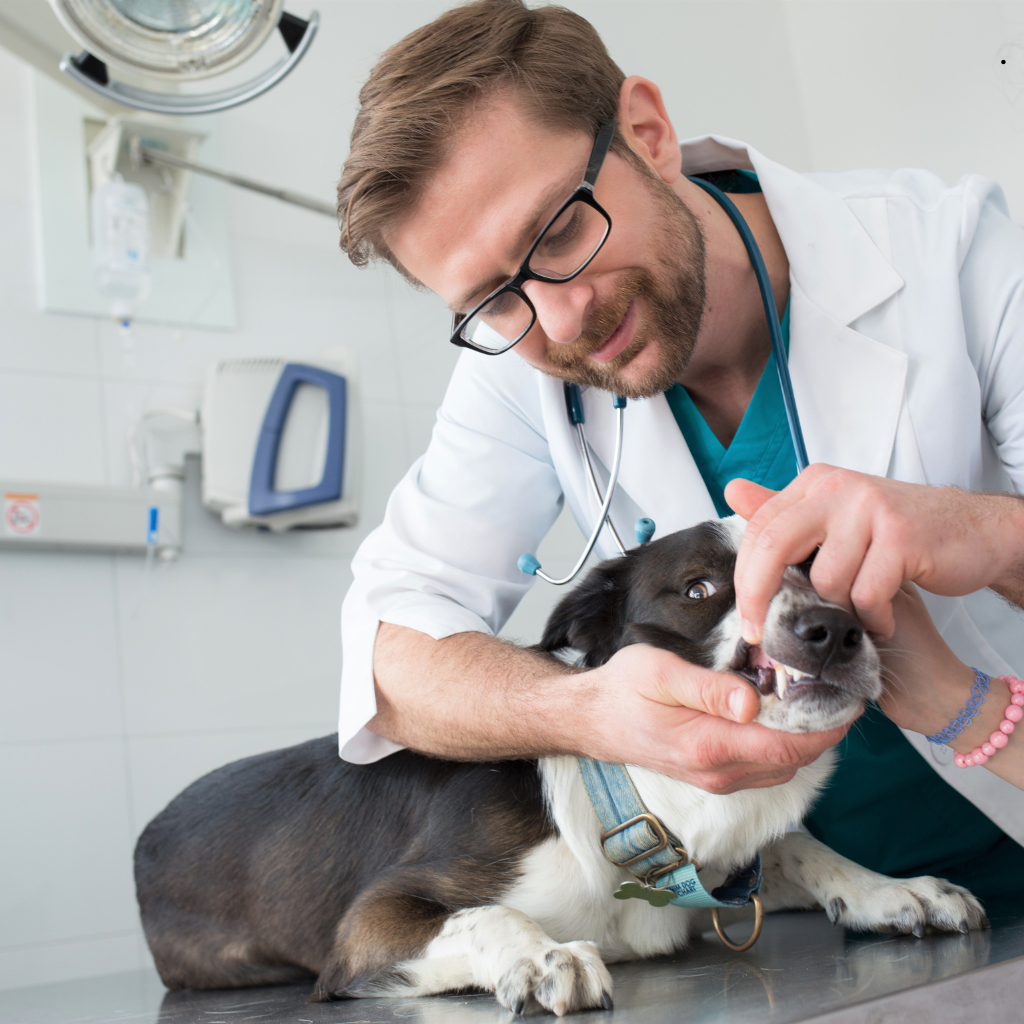
The LICQual Level 7 Postgraduate Diploma in Veterinary Pharmacy (PgD Veterinary Pharmacy) is an advanced qualification designed for pharmacy professionals, veterinary practitioners, and healthcare graduates who want to specialise in the safe and effective use of medicines in animals. This programme builds strong knowledge of veterinary pharmacology, drug therapy, and animal healthcare practices.
This postgraduate diploma focuses on key areas such as veterinary drug formulation, dosage calculation, pharmacokinetics in animals, and safe medication use across different species. Learners also study disease management in animals, drug safety standards, and regulatory requirements related to veterinary medicines. The course helps develop both scientific understanding and practical decision-making skills.
With the growing demand for safe animal healthcare and food-producing animal management, veterinary pharmacy plays an important role in both clinical and agricultural sectors. This qualification helps learners understand how medicines are used in companion animals, livestock, and wildlife, ensuring effective treatment and animal welfare.
The PgD in Veterinary Pharmacy supports career development in veterinary clinics, pharmaceutical industries, research organisations, and animal health services. It prepares learners for specialised roles in veterinary medicine management, drug development, and animal healthcare support, contributing to safer and more effective veterinary practices.
Course Overview
Awarding Body
LICQual
Credits
120
Study Mode
Online
Assessment
Assignment Based
Course Study Units
- Principles of Veterinary Pharmacy
- Veterinary Therapeutics and Clinical Applications
- Advanced Pharmacokinetics and Drug Metabolism in Animals
- Regulatory Frameworks and Veterinary Medicines Safety
- Research and Evidence-Based Practice in Veterinary Pharmacy
- Innovations and Leadership in Veterinary Pharmacy Practice

Entry Requirements
Who Can Enroll
The LICQual Level 7 Postgraduate Diploma in Veterinary Pharmacy (PgD Veterinary Pharmacy) is designed for individuals who want to specialise in the safe use of medicines in animals and build advanced knowledge in veterinary pharmaceutical practice. It is suitable for those aiming to work in animal healthcare, veterinary medicine support, and pharmaceutical development.
- Pharmacy graduates and qualified pharmacists
- Veterinary science graduates and animal health professionals
- Veterinarians and veterinary assistants
- Professionals working in pharmaceutical or animal health industries
- Laboratory technicians involved in drug testing or research
- Individuals working in livestock, agriculture, or animal care sectors
- Healthcare professionals interested in veterinary pharmacology and drug safety
Course Learning Outcomes
By the end of this course, learners will be able to:
Unit 1: Principles of Veterinary Pharmacy
Learners will be able to
- Critically analyse the fundamentals of veterinary pharmacology and pharmacy practice
- Apply species-specific pharmacokinetic and pharmacodynamic principles to medication management
- Evaluate the safety and efficacy of veterinary drug formulations
- Develop strategies to ensure optimal therapeutic outcomes in animals
Unit 2: Veterinary Therapeutics and Clinical Applications
Learners will be able to
- Apply evidence-based therapeutic strategies for common and complex animal conditions
- Optimise dosing regimens and treatment protocols for different species
- Evaluate clinical outcomes to inform future veterinary interventions
- Integrate clinical decision-making principles into veterinary pharmacy practice
Unit 3: Advanced Pharmacokinetics and Drug Metabolism in Animals
Learners will be able to
- Analyse the absorption, distribution, metabolism, and excretion of veterinary medicines
- Assess interspecies variations and their impact on drug therapy
- Apply pharmacokinetic data to optimise treatment plans for animals
- Critically evaluate pharmacological research relevant to veterinary practice
Unit 4: Regulatory Frameworks and Veterinary Medicines Safety
Learners will be able to
- Interpret legislation, guidelines, and ethical standards affecting veterinary pharmaceuticals
- Apply safe handling, storage, and administration practices for animal medicines
- Evaluate compliance strategies to meet professional and regulatory requirements
- Develop policies and procedures to maintain safety and quality in veterinary pharmacy
Unit 5: Research and Evidence-Based Practice in Veterinary Pharmacy
Learners will be able to
- Design and conduct research projects related to veterinary pharmacy
- Analyse and interpret scientific literature to support evidence-based practice
- Apply research findings to improve clinical and operational decision-making
- Develop strategies to integrate evidence-based approaches into veterinary healthcare
Unit 6: Innovations and Leadership in Veterinary Pharmacy Practice
Learners will be able to
- Critically evaluate emerging trends, technologies, and innovations in veterinary pharmacy
- Apply leadership and professional development principles to veterinary practice
- Develop strategies to improve service delivery and operational efficiency
- Lead initiatives that enhance the quality, safety, and effectiveness of veterinary pharmacy services