Power Your Future: Aircraft Maintenance and Engineering
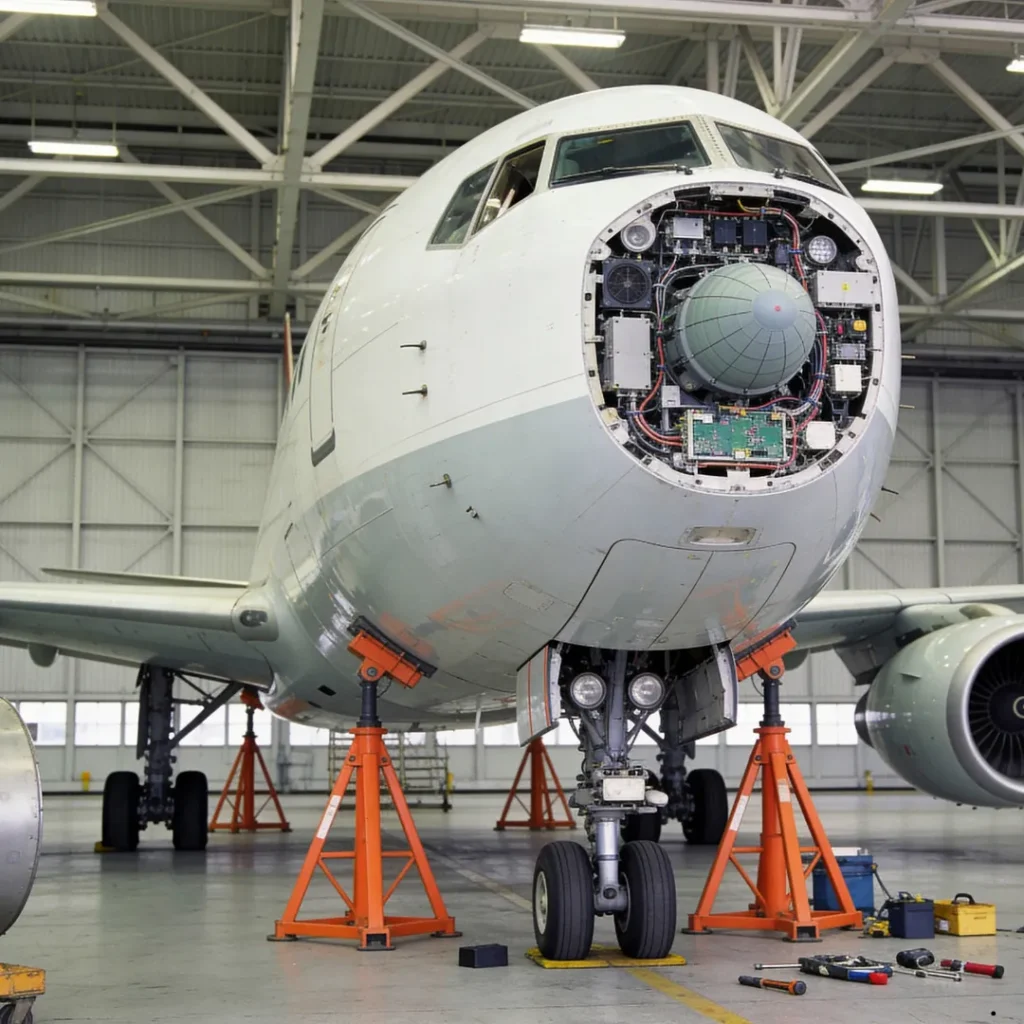
The LICQual UK Level 3 Diploma in Aircraft Maintenance and Engineering Fundamentals is designed to provide learners with essential knowledge and practical skills in aviation engineering. This qualification introduces the core principles of aircraft systems, safety procedures, and maintenance practices, giving learners a strong foundation to understand how aircraft are managed and maintained in the aviation industry.
This diploma emphasizes the importance of technical accuracy, safety compliance, and engineering fundamentals. Learners will explore how aircraft systems operate, how maintenance procedures are applied, and how engineering principles ensure reliability and safety. By combining theoretical learning with practical insights, the program equips learners with the ability to support aviation teams and contribute effectively to aircraft operations.
The course also highlights the growing importance of innovation and adaptability in the rapidly advancing field of aviation engineering. As the industry embraces new technologies, sustainability initiatives, and increasingly complex aircraft systems, professionals must be prepared to think creatively and respond with agility to evolving challenges. Learners will gain confidence in applying engineering fundamentals to real-world scenarios, bridging theory with practice to ensure that aircraft operations remain safe, efficient, and reliable.
Course Overview
Awarding Body
LICQual
Credits
60 Credits
Study Mood
Online
Assessment
Assignments Based
Course Study Units
- Fundamentals of Aviation Science and Mathematics
- Aircraft Structures, Materials, and Basic Aerodynamics
- Aircraft Systems and Powerplant Fundamentals
- Aviation Safety, Human Factors, and Regulations
- Aircraft Maintenance Practices and Workshop Skills
- Technical Communication and Engineering Documentation

Entry Requirements
Who Can Enroll
The ideal learner for this course is someone eager to begin or strengthen their career in aircraft maintenance and engineering.
- Aspiring aviation engineers seeking entry-level knowledge.
- Individuals interested in aircraft systems and maintenance.
- Current staff in aviation wanting to upskill.
- Learners motivated by technical accuracy and safety standards.
- Those aiming to build confidence in engineering fundamentals.
- Professionals seeking a foundation in aviation maintenance practices.
Course Learning Outcomes
1. Fundamentals of Aviation Science and Mathematics
- Apply core principles of mathematics and physics to solve aviation engineering problems.
- Demonstrate understanding of units, measurements, and conversions used in aircraft maintenance.
- Analyze forces, motion, and energy concepts relevant to flight and aircraft systems.
- Interpret scientific data and apply formulas to real-world aviation scenarios.
- Develop problem-solving skills for technical calculations in maintenance and engineering.
- Use aviation science knowledge as a foundation for advanced aircraft engineering studies.
2. Aircraft Structures, Materials, and Basic Aerodynamics
- Identify key aircraft structural components and their functions.
- Explain the properties of aviation materials and their applications in aircraft design.
- Describe the principles of lift, drag, thrust, and weight in basic aerodynamics.
- Evaluate the impact of material selection on aircraft performance and safety.
- Apply knowledge of aerodynamics to understand flight stability and control.
- Recognize international standards for aircraft structures and material testing.
3. Aircraft Systems and Powerplant Fundamentals
- Describe the operation of major aircraft systems including hydraulics, pneumatics, and fuel.
- Explain the fundamentals of piston and turbine powerplant systems.
- Identify common components of aircraft engines and their maintenance requirements.
- Analyze system diagrams to troubleshoot basic faults in aircraft systems.
- Apply safety procedures when working with aircraft systems and powerplants.
- Demonstrate knowledge of international aviation standards for system maintenance.
4. Aviation Safety, Human Factors, and Regulations
- Explain the importance of aviation safety culture and risk management.
- Identify human factor issues such as fatigue, communication, and decision-making in maintenance.
- Apply international aviation regulations (EASA/ICAO/CAA) to maintenance practices.
- Evaluate case studies of aviation incidents to understand safety lessons.
- Demonstrate compliance with regulatory frameworks in maintenance environments.
- Promote safe working practices and teamwork in aviation engineering.
5. Aircraft Maintenance Practices and Workshop Skills
- Perform basic maintenance tasks using industry-standard tools and equipment.
- Apply correct procedures for inspection, servicing, and repair of aircraft components.
- Demonstrate safe workshop practices including handling of hazardous materials.
- Interpret maintenance manuals and technical documentation accurately.
- Develop practical skills in troubleshooting and fault diagnosis.
- Apply international maintenance standards to ensure airworthiness compliance.
6. Technical Communication and Engineering Documentation
- Interpret and produce technical drawings, diagrams, and engineering documents.
- Communicate effectively using aviation-specific terminology and reporting formats.
- Apply IT tools and digital platforms for maintenance record-keeping.
- Demonstrate accuracy and clarity in technical writing for aviation contexts.
- Evaluate the importance of documentation in regulatory compliance and safety.
- Collaborate with engineering teams using professional communication standards.