Accelerate Success with LICQual UK Level 3 Airline Management Diploma
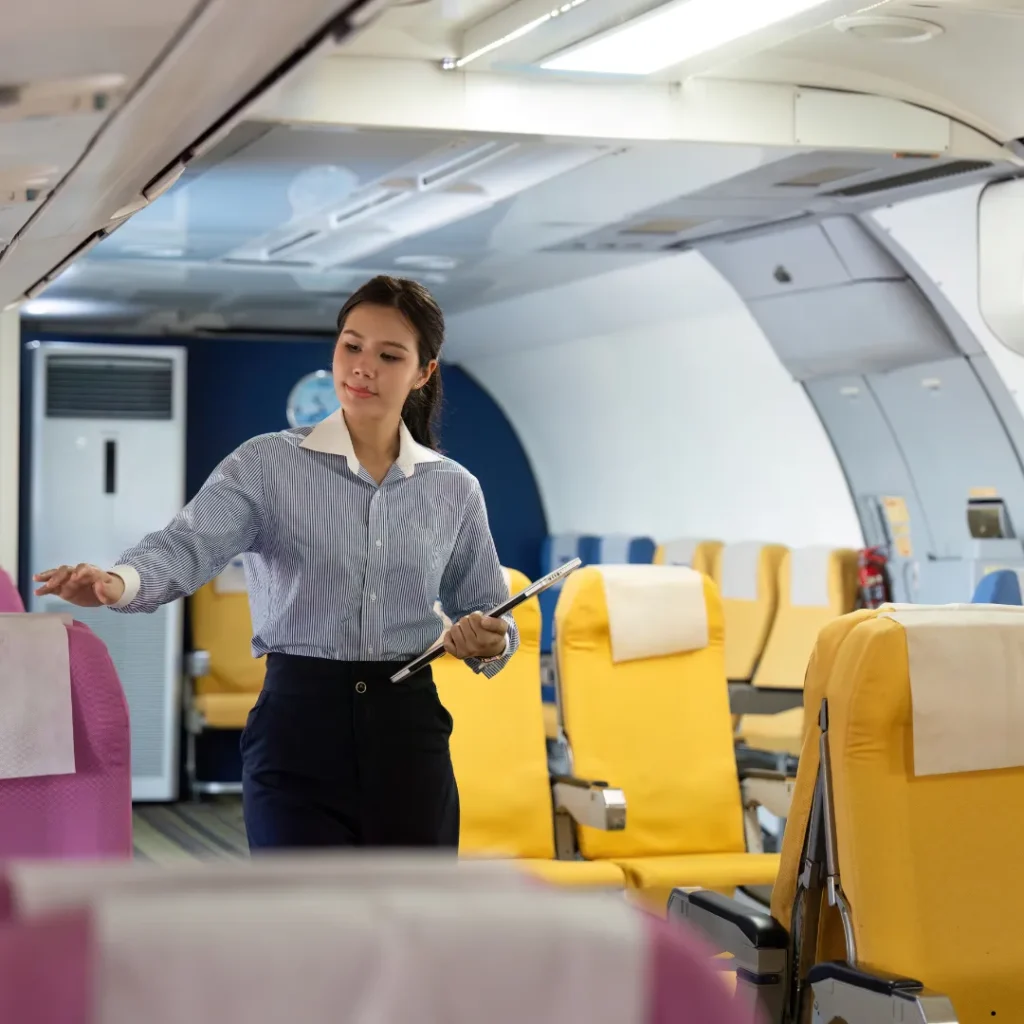
The LICQual UK Level 3 Diploma in Airline Management is designed to provide learners with a strong foundation in the principles and practices of managing airline operations. This program focuses on the dynamic and competitive aviation industry, equipping participants with the skills needed to oversee passenger services, flight scheduling, safety compliance, and customer satisfaction.With a focus on applied learning, the course prepares individuals to confidently handle responsibilities in airline management and contribute effectively to organizational success.
This diploma offers a comprehensive overview of airline management, covering essential areas such as operational planning, customer service excellence, and adherence to international aviation standards. Learners explore the importance of leadership, communication, and problem‑solving in maintaining efficient airline services.Through case studies and scenario‑based learning, participants develop practical skills that can be applied directly in real airline environments. The curriculum is tailored to meet industry needs, ensuring learners are well‑prepared for the demands of modern airline management.
The LICQual UK Level 3 Diploma in Airline Management is ideal for individuals aspiring to build a career in aviation or enhance their existing skills in airline operations. The course provides a structured pathway to understand the responsibilities of airline managers, including resource allocation, staff coordination, and compliance with safety protocols.By the end of the program, participants will have developed a solid understanding of airline management practices, enabling them to contribute effectively to the aviation sector and support the smooth functioning of airline services.
Course Overview
Awarding Body
LICQual
Credits
60 Credits
Study Mood
Online
Assessment
Assignments Based
Course Study Units
- Introduction to the Airline Industry
- Airline Operations & Cabin Services
- Airline Safety, Security & Emergency Procedures
- Customer Service in Airlines
- Airline Business Fundamentals
- Communication & Professional Skills for Airline Staff

Entry Requirements
Who Can Enroll
This course is best suited for individuals motivated to pursue a career in airline operations.
- Aspiring professionals seeking entry into the aviation industry
- Current airline staff aiming to enhance management skills
- Individuals interested in customer service and operational efficiency
- Learners with strong organizational and leadership potential
- Those passionate about safety, compliance, and passenger satisfaction
- Career changers looking for opportunities in aviation services
Course Learning Outcomes
1: Introduction to the Airline Industry
- Explain the structure and functions of the global airline industry, including the roles of ICAO, IATA, and national aviation authorities.
- Identify different types of airlines such as full-service carriers, low-cost airlines, and charter operators, and evaluate their business models.
- Analyze the economic and social impact of airlines on international trade, tourism, and global connectivity.
- Demonstrate understanding of airline terminology, codes, and industry-standard practices used in passenger and cargo operations.
- Evaluate the historical development of the airline industry and its influence on modern aviation management.
- Assess current trends and challenges in the airline sector, including sustainability, digital transformation, and global competition.
2: Airline Operations & Cabin Services
- Describe the end-to-end airline operational process, including check-in, boarding, in-flight services, and post-flight procedures.
- Demonstrate knowledge of cabin crew roles, responsibilities, and service delivery standards in line with international aviation regulations.
- Apply safety and security procedures in cabin operations, including emergency drills, passenger safety briefings, and first aid protocols.
- Evaluate the importance of customer service excellence in cabin operations and its impact on passenger satisfaction and airline reputation.
- Identify the use of technology in airline operations, including digital check-in systems, in-flight entertainment, and passenger service innovations.
- Assess the role of teamwork, communication, and cultural awareness in delivering high-quality cabin services in a global aviation environment.
3: Airline Safety, Security & Emergency Procedures
- Explain the principles of aviation safety management systems and their application in airline operations.
- Apply knowledge of international aviation security protocols, including ICAO Annex 17 and IATA standards.
- Demonstrate understanding of emergency response procedures such as evacuation, fire safety, and medical emergencies.
- Evaluate the role of risk assessment and hazard identification in preventing airline incidents.
- Analyze case studies of airline accidents and security breaches to identify lessons learned and corrective actions.
- Develop awareness of emerging threats such as cybersecurity and their implications for airline safety and security.
4: Customer Service in Airlines
- Demonstrate understanding of customer service excellence in the airline industry.
- Apply cross-cultural communication skills to enhance passenger satisfaction in a global environment.
- Evaluate the impact of service quality on airline competitiveness and brand reputation.
- Identify strategies for handling complaints, service disruptions, and special assistance passengers.
- Use customer feedback and service performance metrics to improve airline service delivery.
- Apply digital tools and self-service technologies to enhance the passenger experience.
5: Airline Business Fundamentals
- Explain the business models of airlines, including low-cost and full-service carriers.
- Analyze airline revenue streams, including ticket sales, ancillary services, and cargo operations.
- Demonstrate understanding of airline alliances, code-sharing agreements, and route development strategies.
- Evaluate the impact of global economic trends on airline profitability and market demand.
- Apply knowledge of airline marketing and pricing strategies to competitive markets.
- Assess the role of sustainability and corporate responsibility in airline business models.
6: Communication & Professional Skills for Airline Staff
- Demonstrate proficiency in aviation English and industry-standard communication protocols.
- Apply effective teamwork and leadership skills in multicultural airline environments.
- Use digital communication tools and reporting systems relevant to airline operations.
- Evaluate the importance of professional ethics, integrity, and compliance in airline careers.
- Develop presentation, negotiation, and conflict resolution skills for aviation workplace scenarios.
- Apply time management and organizational skills to meet operational and customer service demands.