Drive Success: LICQual Level 6 Diploma in Aircraft Maintenance & Engineering
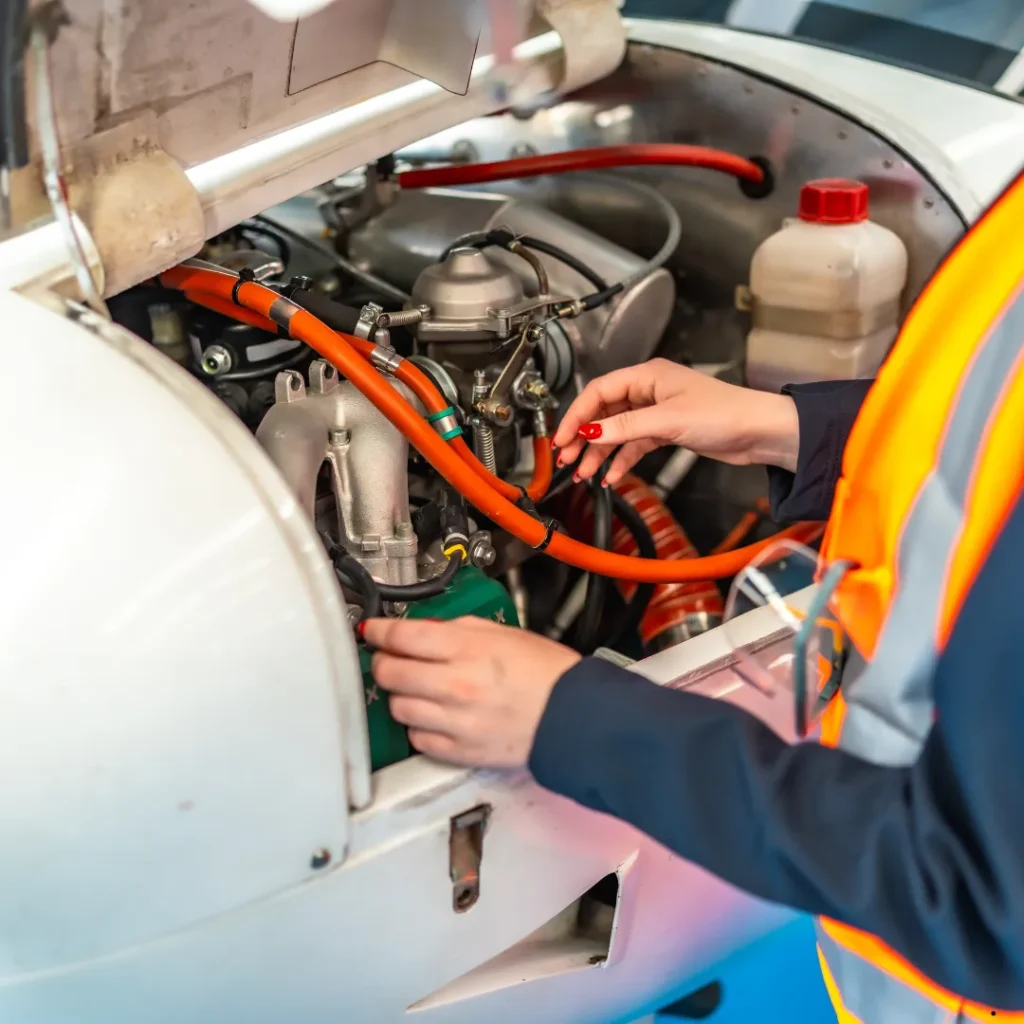
The LICQual UK Level 6 Diploma in Aircraft Maintenance and Engineering Fundamentals is designed to provide advanced knowledge and technical expertise for learners aiming to excel in aviation engineering. This program focuses on the principles of aircraft systems, safety procedures, and maintenance strategies, equipping learners with the skills required to manage complex engineering environments. It is tailored for individuals who aspire to leadership roles in aviation maintenance and engineering.
This diploma emphasizes the importance of precision, compliance, and innovation in aviation engineering. Learners will explore advanced maintenance practices, engineering fundamentals, and safety management systems that ensure aircraft reliability and operational efficiency. By combining theoretical frameworks with practical applications, the program prepares learners to address challenges in modern aviation and contribute effectively to organizational success.
The course also highlights the growing need for adaptability and strategic thinking in the dynamic field of aviation engineering. As global aviation continues to evolve with new technologies, sustainability demands, and complex regulatory frameworks, professionals must be prepared to respond to challenges with agility and foresight. Learners will not only strengthen their problem-solving abilities but also cultivate technical leadership skills that enable them to guide teams, manage resources effectively, and make informed decisions under pressure.
Course Overview
Awarding Body
LICQual
Credits
120 Credits
Study Mood
Online
Assessment
Assignments Based
Course Study Units
- Advanced Aerodynamics, Aircraft Performance, and Flight Mechanics
- Aircraft Propulsion Systems and Powerplant Engineering
- Avionics, Electrical, and Instrumentation Systems
- Advanced Aircraft Maintenance Procedures and Troubleshooting
- Aviation Legislation, Quality Assurance, and Compliance Management
- Applied Research Project in Aircraft Engineering Fundamentals

Entry Requirements
Who Can Enroll
The ideal learner for this course is someone committed to advancing their career in aviation engineering and maintenance.
- Aviation professionals seeking senior technical roles.
- Current airline or airport staff aiming to upskill.
- Engineers in transport or logistics wanting aviation expertise.
- Individuals motivated by safety and technical precision.
- Learners interested in advanced aircraft systems and maintenance.
- Professionals eager to strengthen leadership and problem-solving skills.
Course Learning Outcomes
1. Advanced Aerodynamics, Aircraft Performance, and Flight Mechanics
- Analyze advanced aerodynamic principles and their impact on aircraft performance.
- Evaluate flight mechanics including stability, control, and maneuverability.
- Apply performance calculations to real-world flight operations and engineering tasks.
- Assess the effects of environmental conditions on aircraft performance and safety.
- Interpret aerodynamic data to support maintenance and engineering decisions.
- Demonstrate knowledge of international standards in flight performance analysis.
2. Aircraft Propulsion Systems and Powerplant Engineering
- Explain the design, operation, and performance of piston, turbine, and jet engines.
- Diagnose common issues in propulsion systems using advanced troubleshooting methods.
- Apply engineering principles to optimize powerplant efficiency and reliability.
- Evaluate maintenance procedures for compliance with international aviation standards.
- Analyze the environmental and safety considerations of aircraft propulsion systems.
- Demonstrate practical understanding of powerplant engineering documentation.
3. Avionics, Electrical, and Instrumentation Systems
- Describe the function and integration of avionics, electrical, and instrumentation systems.
- Apply diagnostic tools to identify and resolve faults in avionics and electrical circuits.
- Evaluate the role of digital systems and automation in modern aircraft.
- Interpret wiring diagrams, schematics, and technical manuals accurately.
- Ensure compliance with international aviation standards for avionics maintenance.
- Demonstrate effective troubleshooting of complex electrical and instrumentation systems.
4. Advanced Aircraft Maintenance Procedures and Troubleshooting
- Apply advanced maintenance techniques to ensure aircraft airworthiness.
- Diagnose and resolve complex faults in aircraft systems and structures.
- Evaluate maintenance schedules and procedures for efficiency and compliance.
- Demonstrate safe use of advanced tools, equipment, and diagnostic technologies.
- Implement predictive and preventive maintenance strategies in aviation.
- Align maintenance practices with ICAO, EASA, and CAA international standards.
5. Aviation Legislation, Quality Assurance, and Compliance Management
- Interpret international aviation legislation and regulatory frameworks.
- Apply quality assurance principles to aircraft maintenance and engineering.
- Evaluate compliance requirements for safety, documentation, and certification.
- Demonstrate knowledge of auditing processes in aviation organizations.
- Develop strategies to ensure continuous improvement in aviation compliance.
- Promote a culture of safety, accountability, and regulatory adherence.
6. Applied Research Project in Aircraft Engineering Fundamentals
- Design and conduct an applied research project in aircraft maintenance or engineering.
- Collect, analyze, and interpret aviation-related data using research methodologies.
- Apply critical thinking to solve real-world aviation engineering challenges.
- Present research findings in a professional, technical, and well-documented format.
- Evaluate the impact of research outcomes on aviation safety and engineering practices.
- Demonstrate independent learning, project management, and academic integrity.