
Advance Your Career with LICQual UK Level 6 Aviation Safety Diploma
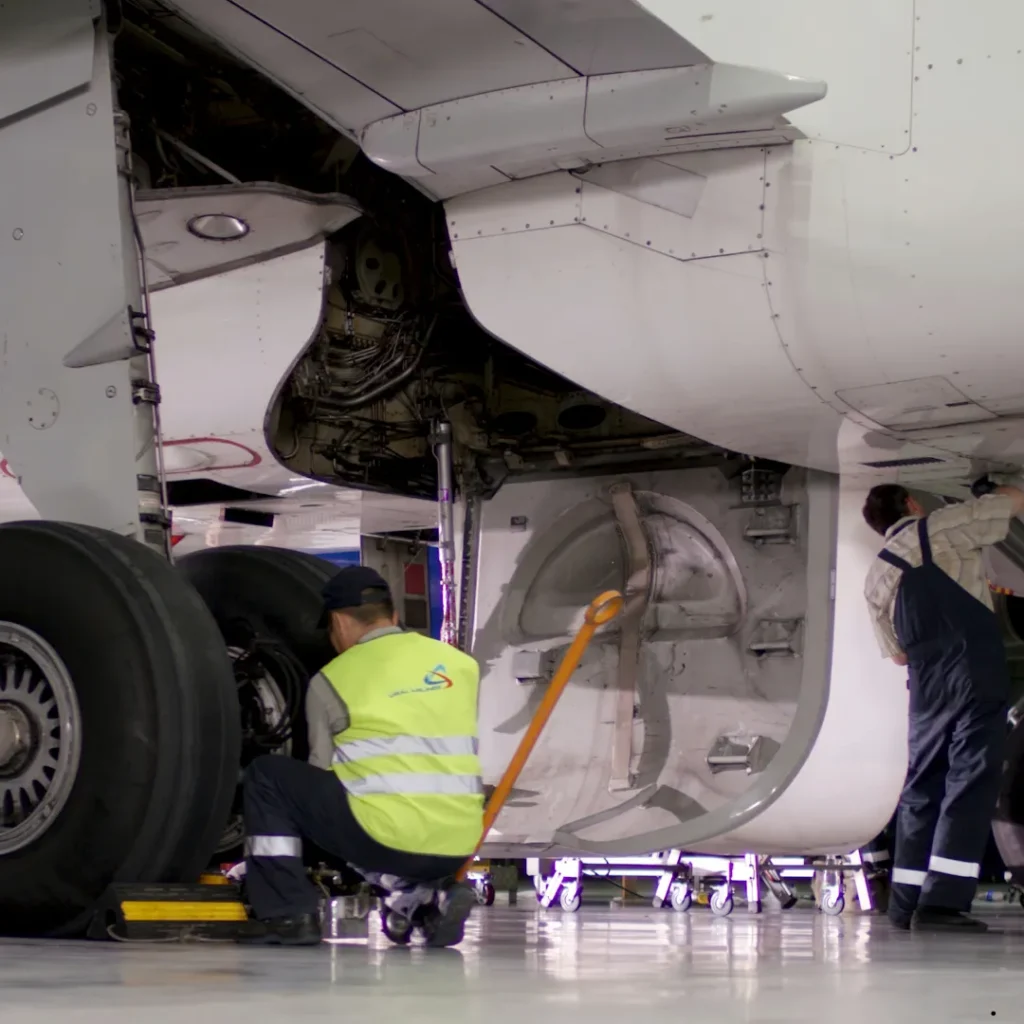
The LICQual UK Level 6 Diploma in Aviation Safety is a professional program designed to provide advanced knowledge and leadership skills in aviation safety management. This diploma focuses on strategic and operational aspects of safety, preparing learners to handle complex challenges such as risk assessment, emergency response, compliance, and passenger security. With a strong emphasis on applied learning, participants gain practical insights into the responsibilities of senior safety managers and learn how to implement effective strategies for operational efficiency.
This program offers a comprehensive overview of aviation safety, covering areas such as hazard identification, safety audits, emergency planning, and adherence to international aviation standards. Learners explore the importance of leadership, communication, and decision‑making in ensuring safe aviation operations. The curriculum also highlights the role of innovation and technology in enhancing safety measures and streamlining processes. Through case studies and scenario‑based learning, participants develop practical skills that can be applied directly in real aviation contexts.
The LICQual UK Level 6 Diploma in Aviation Safety is ideal for individuals aspiring to advance their careers in aviation or strengthen their existing expertise in safety management. The course provides a structured pathway to understand the responsibilities of senior managers, including strategic planning, staff coordination, and compliance with safety protocols. Learners are encouraged to adopt proactive approaches to problem‑solving and critical thinking. By the end of the program, participants will have developed advanced knowledge and leadership skills, enabling them to contribute effectively to the aviation sector.
Course Overview
Awarding Body
LICQual
Credits
120 Credits
Study Mood
Online
Assessment
Assignments Based
Course Study Units
- Strategic Airline Safety Management and Operational Planning
- International Aviation Law, Global Policy, and Regulatory Compliance
- Advanced Airline Safety Systems and Risk Management
- Aviation Finance, Safety Investment Strategies, and Resource Optimization
- Leadership, Human Resource Development, and Safety Culture in Airline Operation
- Innovation, Emerging Technologies, and Sustainable Practices in Airline Safety Managemen

Entry Requirements
Who Can Enroll
This course is best suited for individuals aiming to take leadership roles in aviation safety.
- Aviation professionals seeking career advancement
- Current airline or airport staff aspiring to senior safety management positions
- Individuals with strong leadership and organizational skills
- Learners passionate about compliance and passenger security
- Career changers with prior experience in aviation or logistics
- Professionals motivated to enhance strategic and operational expertise
Course Learning Outcomes
1. Strategic Airline Safety Management and Operational Planning
- Apply ICAO Annex 19 principles to develop strategic airline safety management frameworks.
- Evaluate operational planning processes, including scheduling, routing, and resource allocation, with a focus on safety outcomes.
- Integrate safety performance indicators (SPIs) into organizational decision‑making and long‑term planning.
- Conduct advanced risk assessments to identify vulnerabilities in airline operations.
- Design strategic safety plans that balance compliance, efficiency, and passenger safety.
- Critically assess the effectiveness of safety management systems in complex airline environments.
2. International Aviation Law, Global Policy, and Regulatory Compliance
- Interpret and apply international aviation treaties, conventions, and bilateral agreements.
- Analyze the impact of ICAO, EASA, FAA, and IATA regulations on global airline operations.
- Evaluate compliance strategies that align with international aviation law and corporate governance.
- Assess the implications of global aviation policies on safety, security, and sustainability.
- Demonstrate awareness of ethical, cultural, and environmental considerations in aviation law.
- Formulate compliance frameworks that ensure adherence to international regulatory standards.
3. Advanced Airline Safety Systems and Risk Management
- Implement advanced Safety Management Systems (SMS) in line with ICAO Doc 9859.
- Conduct predictive and proactive risk assessments using quantitative and qualitative tools.
- Analyze safety data to identify hazards, trends, and systemic vulnerabilities.
- Integrate safety systems with quality, compliance, and security frameworks.
- Evaluate the effectiveness of safety audits, investigations, and continuous improvement processes.
- Apply advanced risk management strategies to enhance operational resilience.
4. Aviation Finance, Safety Investment Strategies, and Resource Optimization
- Analyze aviation finance principles and their impact on safety investment decisions.
- Evaluate cost–benefit models for safety technologies, training, and infrastructure.
- Develop financial strategies that balance profitability with safety and compliance.
- Assess the influence of global economic trends on aviation safety funding.
- Formulate investment strategies that optimize resource allocation for sustainable safety performance.
- Demonstrate the ability to justify safety investments to stakeholders and regulators.
5. Leadership, Human Resource Development, and Safety Culture in Airline Operations
- Demonstrate leadership strategies that foster a strong safety culture across airline operations.
- Evaluate the role of human factors and crew resource management (CRM) in aviation safety.
- Design HR development programs that enhance safety awareness and professional competence.
- Apply organizational psychology principles to improve decision‑making and communication.
- Assess the impact of leadership styles on safety performance and employee engagement.
- Promote continuous improvement and accountability within safety‑critical teams.
6. Innovation, Emerging Technologies, and Sustainable Practices in Airline Safety Management
- Evaluate the role of emerging technologies such as AI, big data, and automation in aviation safety.
- Assess the impact of digital transformation on safety monitoring, reporting, and compliance.
- Integrate sustainable practices into safety management systems to meet global environmental goals.
- Analyze case studies of innovative safety solutions and their measurable outcomes.
- Formulate strategies for adopting new technologies while managing associated risks.
- Demonstrate critical awareness of future trends shaping global airline safety management.