Elevate Your Future: Aviation Safety and Regulatory Compliance
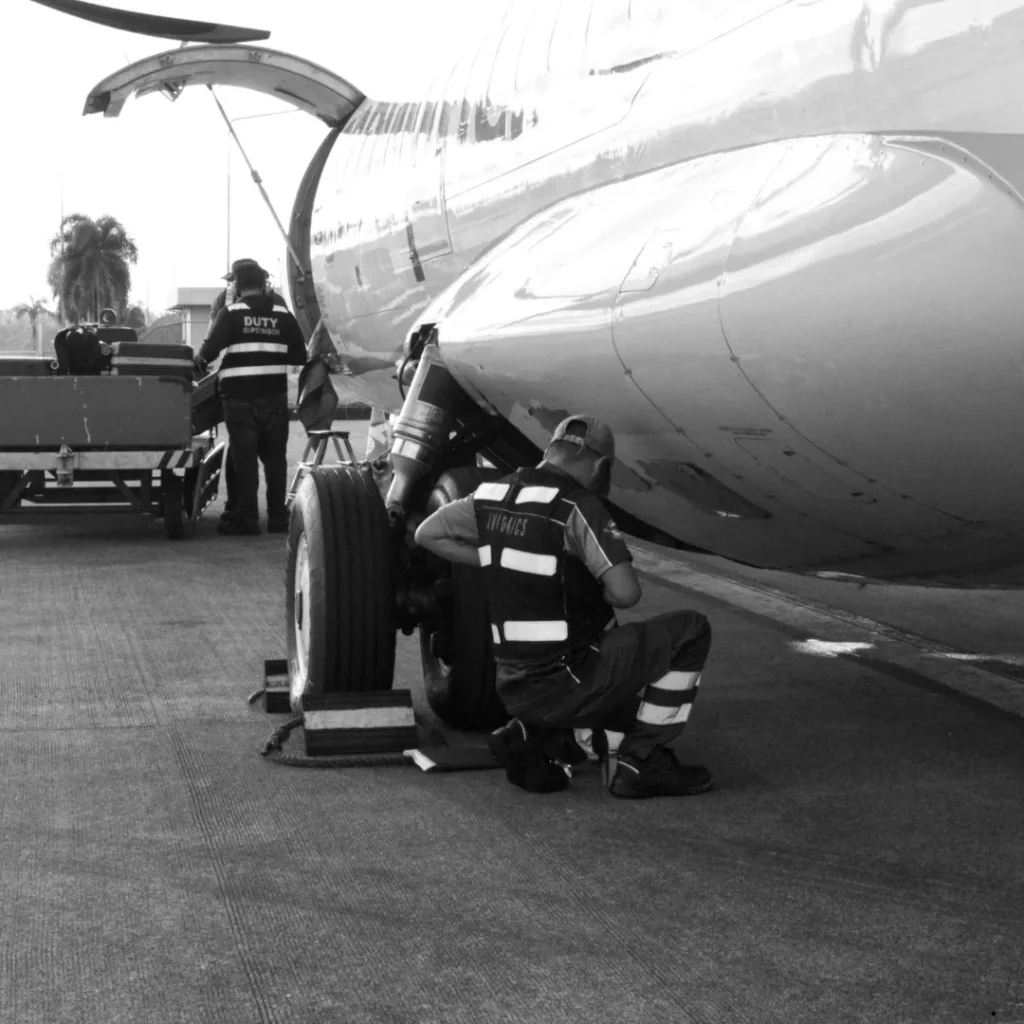
The LICQual UK Level 6 Diploma in Aviation Safety and Regulatory Compliance is a highly advanced qualification designed to provide learners with a deep understanding of aviation safety principles, regulatory frameworks, and compliance management systemsIt is particularly suited for professionals who aspire to take on leadership roles in safety management, risk assessment, and regulatory oversight within airports, airlines, and aviation organizations.
Throughout the program, learners will engage with a wide range of critical topics that define modern aviation safety and compliance. These include international aviation laws, compliance monitoring systems, safety audits, risk management strategies, and operational safety standards that safeguard passengers, staff, and cargo. The curriculum is designed to balance theory with practice, incorporating case studies, scenario-based exercises, and industry-focused modules. This approach ensures that learners not only understand the technical and regulatory requirements but also develop the ability to apply them effectively in real-world aviation environments.
By completing this diploma, learners will significantly enhance their ability to coordinate safety operations, enforce compliance procedures, and contribute to the development of a strong safety culture within aviation organizations.The program is ideal for professionals seeking to strengthen their technical competence, build leadership qualities, and improve strategic decision-making skills. With its emphasis on industry relevance and practical outcomes, this diploma serves as a powerful tool for learners who want to advance their careers, gain recognition in the aviation sector, and play a vital role in shaping the future of global aviation safety and complian
Course Overview
Awarding Body
LICQual
Credits
120 Credits
Study Mood
Online
Assessment
Assignments Based
Course Study Units
- Strategic Aviation Safety and Risk Management
- Global Aviation Regulatory Frameworks and Compliance
- Advanced Safety Management Systems (SMS) and Quality Assurance
- Aviation Law, Ethics, and International Standard
- Crisis Management, Accident Investigation, and Safety Audit
- Research Project in Aviation Safety and Regulatory Compliance

Entry Requirements
Who Can Enroll
This diploma is designed for motivated individuals who want to advance their expertise in aviation safety and compliance.
- Aviation professionals seeking career growth.
- Airport staff aiming to specialize in compliance.
- Airline employees strengthening safety knowledge.
- Individuals interested in regulatory frameworks.
- Learners passionate about aviation operations.
- Professionals looking to enhance risk management skills.
Course Learning Outcomes
1. Strategic Aviation Safety and Risk Management
- Evaluate advanced strategies for managing aviation safety across global operations.
- Apply risk management frameworks to identify, assess, and mitigate aviation hazards.
- Develop safety policies that align with ICAO and EASA international standards.
- Analyze case studies of aviation incidents to propose strategic safety improvements.
- Demonstrate leadership in promoting a proactive safety culture within organizations.
- Integrate risk management principles into long‑term aviation safety planning.
2. Global Aviation Regulatory Frameworks and Compliance
- Explain the role of ICAO, EASA, and FAA in shaping international aviation regulations.
- Compare and contrast global regulatory frameworks and their impact on compliance.
- Apply knowledge of international standards to ensure operational safety and legality.
- Evaluate the effectiveness of compliance monitoring systems in aviation organizations.
- Demonstrate understanding of harmonization in global aviation law and policy.
- Recommend compliance strategies to meet evolving international aviation requirements.
3. Advanced Safety Management Systems (SMS) and Quality Assurance
- Critically analyze the four pillars of Safety Management Systems (SMS).
- Apply advanced SMS tools to monitor, report, and improve aviation safety performance.
- Evaluate the integration of SMS with quality assurance frameworks in aviation.
- Design safety performance indicators (SPIs) for continuous improvement.
- Demonstrate knowledge of auditing techniques for safety and compliance assurance.
- Recommend strategies to strengthen SMS effectiveness in complex aviation environments.
4. Aviation Law, Ethics, and International Standards
- Explain the principles of international aviation law and regulatory compliance.
- Evaluate ethical considerations in aviation safety and decision‑making.
- Apply knowledge of liability, responsibility, and accountability in aviation law.
- Demonstrate understanding of international treaties and conventions governing aviation.
- Assess the role of ethics in balancing safety, efficiency, and commercial pressures.
- Recommend policies that align with both legal and ethical aviation standards.
5. Crisis Management, Accident Investigation, and Safety Audits
- Demonstrate knowledge of crisis management frameworks in aviation emergencies.
- Apply investigative techniques to analyze aviation accidents and incidents.
- Evaluate the role of human factors in accident causation and prevention.
- Conduct safety audits to assess compliance with international standards.
- Develop crisis response plans that ensure business continuity and safety.
- Recommend improvements based on accident investigation findings and audit results.
6. Research Project in Aviation Safety and Regulatory Compliance
- Formulate a research proposal addressing a critical issue in aviation safety or compliance.
- Apply appropriate research methodologies and data analysis techniques.
- Critically evaluate academic and industry sources to support research findings.
- Demonstrate independent problem‑solving and critical thinking in aviation contexts.
- Present research outcomes in a structured, professional, and academically rigorous format.
- Provide practical recommendations that contribute to innovation in aviation safety and compliance.