Master Maritime Operations: LICQual UK Level 6 Ship Management
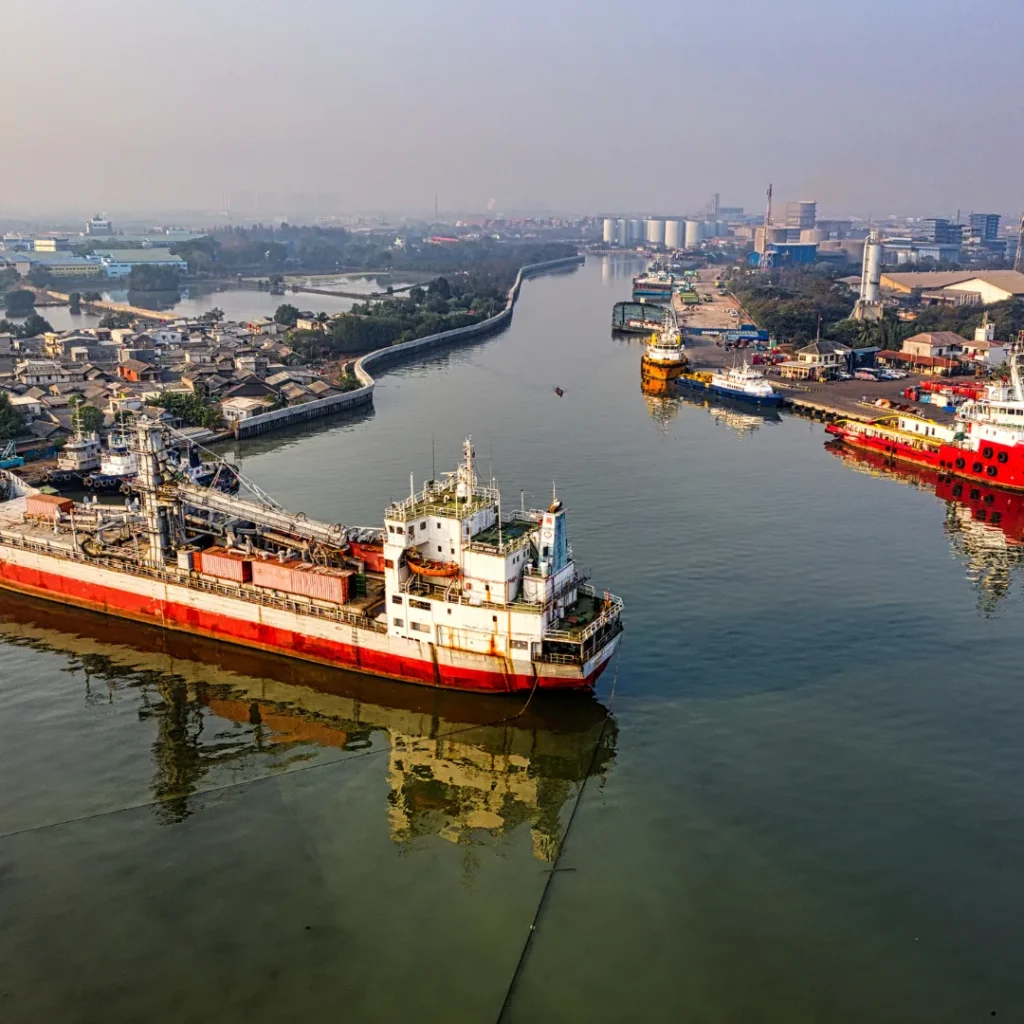
The LICQual UK Level 6 Diploma in Technical Ship Management is designed to provide learners with advanced expertise in managing ships from a technical perspective. This program explores the complexities of vessel maintenance, safety compliance, and operational efficiency. Learners gain practical insights into how technical ship management supports global trade, preparing them to understand and apply strategies in real-world maritime contexts. The diploma blends theoretical knowledge with practical applications, ensuring learners are equipped to meet the demands of a competitive shipping industry.
This diploma emphasizes the strategic role of technical ship managers in ensuring the safety and performance of vessels. Learners study topics such as ship maintenance, engineering systems, safety inspections, and compliance with international maritime standards. Through case studies and industry-relevant scenarios, participants develop the ability to analyze technical challenges, manage resources, and apply operational strategies effectively. The program is structured to enhance both technical knowledge and professional judgment, enabling learners to thrive in diverse shipping environments worldwide.
The LICQual UK Level 6 Diploma in Technical Ship Management is ideal for individuals seeking career advancement in maritime services and technical operations. It encourages learners to think critically, apply problem-solving strategies, and adapt to the evolving demands of international shipping. By combining academic rigor with practical relevance, the course fosters professional growth and prepares graduates to contribute meaningfully to the efficiency and safety of ship operations. This qualification is a powerful step for those aiming to excel in the global maritime industry.
Course Overview
Awarding Body
LICQual
Credits
120 Credits
Study Mood
Online
Assessment
Assignments Based
Course Study Units
- Advanced Technical Ship Management
- Maritime Safety Leadership and Risk Management
- Marine Engineering and Asset Integrity
- Ship Operations, Maintenance and Dry Docking
- Maritime Project and Logistics Management
- Research and Innovation in Technical Ship Management

Entry Requirements
Who Can Enroll
This course is designed for ambitious individuals who want to master technical ship management.
- Professionals working in shipping or logistics.
- Aspiring ship managers and technical coordinators.
- Individuals interested in vessel maintenance and safety compliance.
- Learners with analytical and organizational skills.
- Those aiming for global career opportunities in maritime trade.
- People seeking practical, industry-focused knowledge.
Course Learning Outcomes
1. Advanced Technical Ship Management
By the end of this unit, learners will be able to:
- Evaluate advanced principles of technical ship management in global shipping operations.
- Apply strategic decision-making to complex ship management challenges.
- Integrate international maritime regulations into technical management practices.
- Demonstrate leadership in managing shipboard teams and technical operations.
- Analyze performance data to improve efficiency and reduce operational risks.
- Recommend innovative solutions for sustainable and cost-effective ship management.
2. Maritime Safety Leadership and Risk Management
By the end of this unit, learners will be able to:
- Lead safety initiatives in line with IMO, ISM Code, and SOLAS requirements.
- Conduct advanced risk assessments and implement mitigation strategies onboard.
- Manage emergency response systems and crisis communication effectively.
- Promote a proactive safety culture across shipboard and shore-based teams.
- Evaluate international safety leadership models in maritime operations.
- Recommend improvements to enhance compliance and reduce safety risks.
3. Marine Engineering and Asset Integrity
By the end of this unit, learners will be able to:
- Assess marine engineering systems for reliability, efficiency, and compliance.
- Apply asset integrity management principles to ship structures and machinery.
- Evaluate inspection, monitoring, and maintenance strategies for vessels.
- Integrate lifecycle management into marine engineering operations.
- Recommend engineering solutions to enhance ship safety and performance.
- Demonstrate knowledge of international standards for marine engineering systems.
4. Ship Operations, Maintenance and Dry Docking
By the end of this unit, learners will be able to:
- Plan and manage advanced ship operations, including navigation and machinery use.
- Apply preventive and corrective maintenance strategies to ensure vessel reliability.
- Evaluate dry docking processes, repair planning, and cost management.
- Demonstrate knowledge of international compliance in ship maintenance.
- Recommend operational improvements to optimize ship performance.
- Integrate safety and environmental standards into ship maintenance planning.
5. Maritime Project and Logistics Management
By the end of this unit, learners will be able to:
- Plan and manage large-scale maritime projects from initiation to completion.
- Apply logistics management principles to international shipping operations.
- Evaluate offshore and shipboard supply chain systems for efficiency.
- Demonstrate project risk management and resource allocation skills.
- Integrate international logistics regulations into maritime operations.
- Recommend strategies to improve efficiency in maritime project delivery.
6. Research and Innovation in Technical Ship Management
By the end of this unit, learners will be able to:
- Conduct independent research on advanced ship management and maritime trends.
- Apply research methodologies to technical ship management challenges.
- Evaluate innovative technologies shaping the future of ship operations.
- Demonstrate critical thinking and problem-solving in maritime research.
- Present research findings in line with international academic standards.
- Recommend innovative practices to improve global ship management operations.