MSc Quantity Surveying
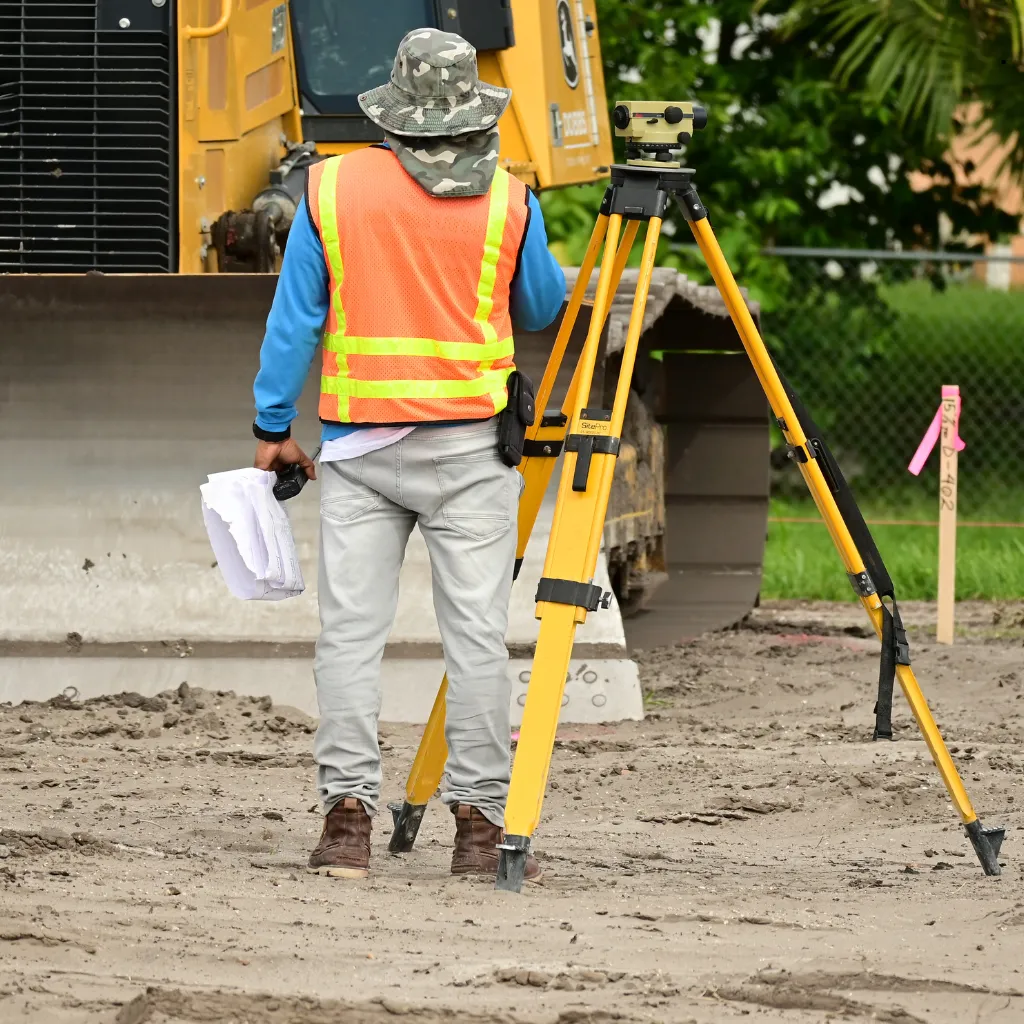
The MSc Quantity Surveying is a professional postgraduate degree designed to equip learners with advanced knowledge and technical skills in construction cost management, commercial strategy, and project control within the built environment. It is ideal for individuals who wish to develop or progress their careers in the construction industry, particularly in financial and contractual management roles.
This programme focuses on the core principles of quantity surveying, including cost estimation, budgeting, procurement, contract administration, risk assessment, and value management. Students also gain a strong understanding of construction law, project finance, and sustainable construction practices, enabling them to manage complex projects effectively from inception to completion.
Throughout the course, learners develop essential analytical, negotiation, leadership, and problem-solving skills. These are highly valued in the construction sector, where accurate cost planning and commercial decision-making are critical to project success. Practical case studies and industry-based scenarios help students apply theoretical knowledge to real-world construction challenges.
The MSc Quantity Surveying is suitable for graduates in construction, civil engineering, architecture, or related fields, as well as experienced professionals seeking career advancement. On completion, learners can pursue senior roles such as quantity surveyor, cost consultant, commercial manager, or project manager in both national and international construction markets.
Course Overview
Modules
07
Duration
16 Months
Study Mood
Online
Assessment
Assessment Based
Course Study Units
- Applied Research Project
- Built Environment Economics and Finance
- Construction Design and Technology
- Managing Risk and Uncertainty
- Procurement and Contract Practice
- Quantity Surveying Practice
- Sustainable Built Environments

Entry Requirements
Who Can Enroll
The MSc Quantity Surveying is suitable for individuals who want to develop advanced skills in construction cost management, contracts, and project control. It is ideal for both new graduates and working professionals who wish to progress in the construction and built environment sector. The course supports career growth in both national and international construction industries.
- Graduates in Quantity Surveying, Construction, Civil Engineering, or Architecture
- Professionals working in construction or infrastructure projects
- Individuals aiming for roles in cost consultancy or commercial management
- Site engineers and project assistants seeking career advancement
- Construction staff involved in budgeting and project control
- Graduates planning to enter the construction industry
- Professionals interested in construction contracts and procurement
- Individuals working in property development or real estate projects
- Technicians in surveying or construction-related roles
- Learners aiming for specialised careers in construction cost management
Course Learning Outcomes
Applied Research Project
On completion of the module the learner, operating independently and applying their knowledge and skills, should be able to:
- Create a considered, topical, applied research project.
- Evaluate complex ideas and analysis in their area of study.
- Formulate a complex argument within a theoretical and practical framework.
- Demonstrate self-direction, confidence, resilience, ambition, and creativity in carrying out independent and evidence informed study in an area of the built environment.
- Communicate research findings through writing clear, comprehensible narrative in accordance with academic conventions.
Built Environment Economics and Finance
On completion of the module, the learner, operating independently and applying their knowledge and skills, should be able to:
- analyse the impact of global markets and government economic policies on the Built Environment sector.
- appraise how business planning activities contribute to the achievement of corporate objectives.
- evaluate management and company accounts, including profit and loss statements, cash flow statements and balance sheets to determine the financial health of a company.
- analyse big data and make decisions to achieve positive outcomes.
- effectively communicate solutions at levels of detail appropriate to your audience.
Construction Design and Technology
On completion of the module, the learner, operating independently and applying their knowledge and skills, should be able to:
- demonstrate a detailed knowledge and understanding of the stages of project design and delivery, from strategic definition to building operation.
- propose appropriate construction technologies for the construction of residential, low-rise, and framed building types.
- appraise the structural, fire, and other performance characteristics of different materials and construction technology solutions against relevant legislation and regulations.
- interpret a project brief and propose and justify appropriate construction-technology, structural, and building-services solutions.
- generate construction solutions based on their contribution towards a sustainable Built Environment.
Managing Risk and Uncertainty
On completion of the module, the learner, operating independently and applying their knowledge and skills, should be able to:
- Utilise advanced techniques to identify and categorise risks considering their potential impact on project and organisational value.
- Evaluate and monitor the selected risk response strategies and consider their implications for value delivery and optimisation.
- Apply advanced quantitative risk analysis techniques while recognising their role in value driven decision making.
- Distinguish between risk and uncertainty and understand their implications for value management.
Procurement and Contract Practice
On completion of the module, the learner, operating independently and applying their knowledge and skills, should be able to:
- distinguish between procurement methods with consideration of client requirements and the project governance when selecting an appropriate approach to procuring a construction project.
- demonstrate a systematic understanding of the key stages and processes in procuring services and works for various types of construction projects or programmes.
- propose project supply chain strategies, supported by cogent arguments considering a client organisation’s requirements, ESG goals, the project approach to risk, and other influencing factors.
- examine and appraise the legal context of Construction and Real Estate.
- appraise, select, and manage construction contracts, and the application of dispute resolution techniques, within a complex Built-Environment context.
Quantity Surveying Practice
On completion of the module the learner, operating independently and applying their knowledge and skills, should be able to:
- Apply measurement rules and cost planning methods to develop accurate order of cost estimates in construction projects.
- Apply Value Engineering (VE) and design economics principles to enhance cost-efficiency and sustainability in project design and execution.
- Demonstrate proficiency in estimating techniques, cost control, and reporting for effective project finance management.
- Evaluate and manage valuations, payments, contract variations, delay claims, within construction projects.
- Apply ethical principles, client care procedures, and professional conduct to ensure accountability and transparency in financial management.
- Critically appraise QS and CM software for measurement, cost planning, and contract administration while fostering collaboration, diversity, and inclusion in professional practice.
Sustainable Built Environments
On completion of the module, the learner, operating independently and applying their knowledge and skills, should be able to:
- Articulate the key drivers behind the need to move towards a Sustainable Built Environment
- Propose responses that can be made, at different scales, to move towards a sustainable Built Environment.
- Evaluate the instruments through which Sustainable Built Environments are promoted and measured around the globe, including accreditation schemes and legislation.
- Appraise the contributions the Built Environment professionals and Professional Bodies make towards Sustainable Built Environments.
- Formulate responses based on evidence from research and practice.