OSHA 132-Hour Construction Safety and Health
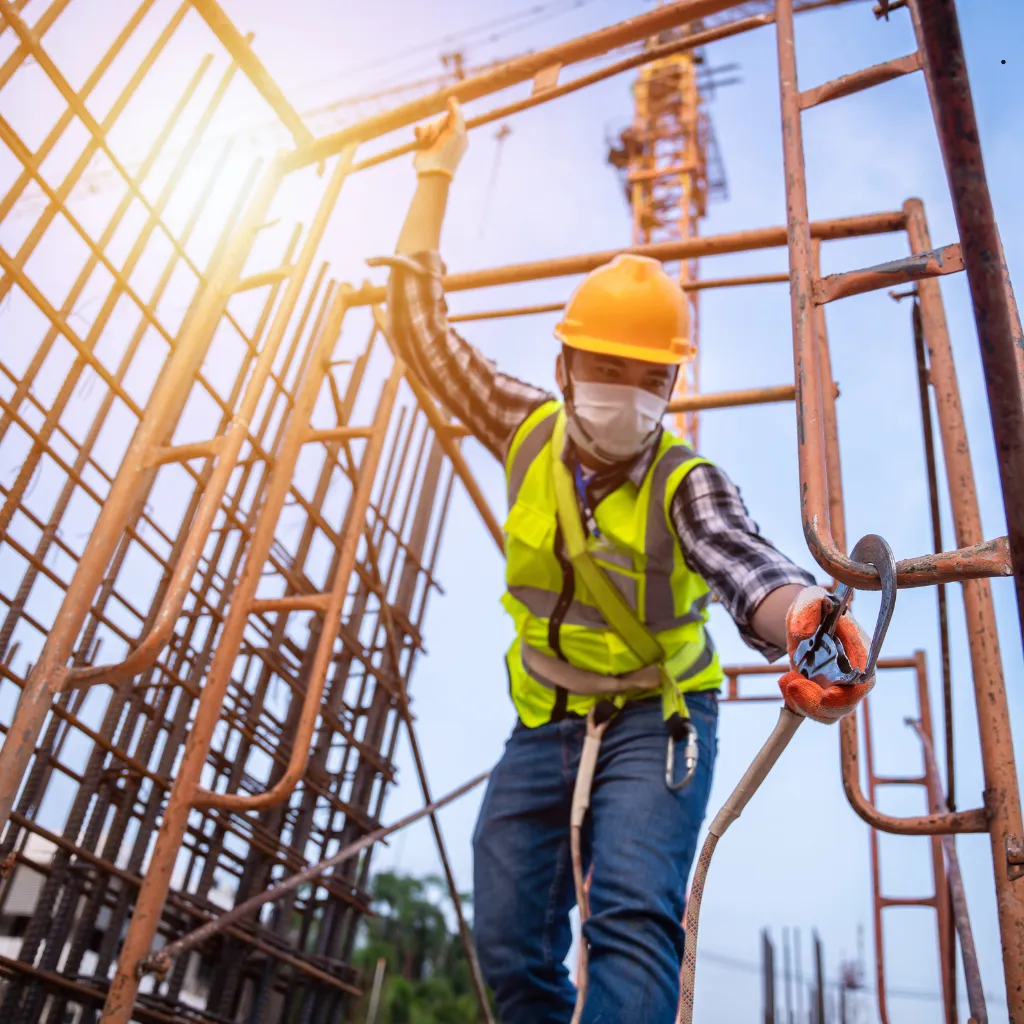
The OSHA 132-Hour Construction Safety and Health course is an advanced professional training programme designed to enhance workplace safety knowledge and promote compliance within the construction industry. Construction sites present complex hazards that require skilled professionals capable of identifying risks, implementing preventive measures, and maintaining safe working environments. This comprehensive course provides participants with the practical knowledge and regulatory understanding needed to minimize workplace incidents, improve safety performance, and support a strong safety culture across construction projects of all sizes.
Throughout the programme, learners explore essential topics including hazard recognition, fall protection, excavation safety, scaffolding, electrical safety, personal protective equipment (PPE), confined spaces, crane and lifting operations, fire prevention, emergency preparedness, and accident investigation. The curriculum also emphasizes OSHA safety standards, risk assessment techniques, safety inspections, incident reporting, and effective safety management practices.
Successful completion of the OSHA 132-Hour Construction Safety and Health course demonstrates a commitment to occupational safety excellence and professional development. The qualification strengthens career opportunities for construction supervisors, safety officers, site engineers, project managers, contractors, inspectors, and other professionals responsible for workplace safety. It also supports organizations in improving regulatory compliance, reducing operational risks, enhancing workforce protection, and achieving safer, more efficient construction operations through internationally recognized safety practices.
Course Overview
Awarding Body
OSHA
Duration
132-Hour
Study Mode
Online
Assessment
Assessment Based
Study Units
- Introduction to OSHA and Construction Safety
- Regulatory Compliance in Construction
- Hazard Identification and Risk Assessment
- Process Safety Management (PSM)
- Emergency Preparedness and Response Planning
- Health Hazards in Construction
- Environmental Protection and Sustainability
- Safety Leadership and Culture
- Advanced Personal Protective Equipment (PPE)
- Safety Training and Education
- Contractor and Vendor Safety Management
- Regulatory Compliance and Auditing

Entry Requirements
- Minimum Age: 18 years or above.
- Educational Background: High school diploma or equivalent preferred.
- Language Proficiency: Basic understanding of English.
- Work Experience: Construction or safety experience is beneficial but not mandatory.
Who Can Enroll
OSHA 132-Hour Construction Safety and Healthis suitable for professionals seeking advanced construction safety knowledge and workplace risk management skills.
- Construction Safety Officers
- Site Supervisors and Foremen
- Project Managers
- Construction Engineers
- Contractors and Subcontractors
- Health and Safety Professionals
- Compliance Officers
- Facility and Operations Managers
Course Learning Outcomes
Introduction to OSHA and Construction Safety
- Understand the critical role of OSHA in regulating safety standards specific to the construction industry.
- Identify key OSHA regulations applicable to construction sites and interpret their implications for employers and workers.
- Explain the importance of safety management systems in maintaining safe work environments across construction projects.
Regulatory Compliance in Construction
- Interpret and apply OSHA standards (29 CFR Part 1926) to ensure comprehensive compliance across various construction activities.
- Develop effective strategies to address compliance challenges related to scaffolding, fall protection, electrical safety, and other critical hazards.
- Analyze real-world case studies to navigate complex regulatory scenarios and implement corrective measures efficiently.
Hazard Identification and Risk Assessment
- Utilize advanced techniques to identify and assess physical, chemical, and environmental hazards in construction settings.
- Prioritize risks based on severity and likelihood to develop effective mitigation strategies.
- Implement preventive controls to minimize hazards and enhance overall construction site safety.
Process Safety Management (PSM)
- Explain the principles and OSHA requirements of Process Safety Management (29 CFR 1910.119) in construction activities.
- Implement PSM systems to manage hazardous processes and prevent major incidents involving chemicals or equipment.
- Conduct process hazard analyses (PHAs) and manage change processes to ensure ongoing compliance and safety.
Emergency Preparedness and Response Planning
- Develop comprehensive emergency action plans (EAPs) tailored to site-specific construction hazards.
- Train personnel in emergency roles and procedures, including evacuation, first aid, and incident command.
- Conduct drills and simulations to evaluate the effectiveness of emergency response strategies and improve readiness.
Health Hazards in Construction
- Identify common construction health hazards, including asbestos, silica, lead, and ergonomic risks.
- Implement protective measures to minimize exposure and promote worker health.
- Educate personnel on health hazards and foster proactive health management practices on construction sites.
Environmental Protection and Sustainability
- Understand environmental regulations affecting construction projects and operations.
- Implement sustainable practices for waste management, pollution prevention, and resource conservation.
- Conduct environmental impact assessments and develop strategies to reduce ecological footprints.
Safety Leadership and Culture
- Foster a robust safety culture within construction teams through effective leadership and communication.
- Promote safety awareness, accountability, and engagement at all levels of personnel.
- Lead by example to encourage continuous improvement in safety performance across construction sites.
Advanced Personal Protective Equipment (PPE)
- Select and implement appropriate PPE for various construction tasks based on hazard assessments.
- Train workers on proper PPE usage, maintenance, and inspection to ensure compliance with safety standards.
- Evaluate and enhance PPE programs to maximize protection and minimize workplace risks.
Safety Training and Education
- Design and deliver targeted safety training programs tailored to specific construction hazards and job roles.
- Assess training effectiveness through evaluations and feedback, making program adjustments as needed.
- Promote a culture of continuous learning and development in safety practices across construction personnel.
Contractor and Vendor Safety Management
- Establish and enforce rigorous safety standards for contractors and vendors on construction projects.
- Monitor and audit contractor compliance with OSHA regulations and project-specific safety requirements.
- Collaborate with external stakeholders to ensure alignment with overall safety objectives and performance benchmarks.
Regulatory Compliance and Auditing
- Conduct comprehensive audits and inspections to assess adherence to OSHA standards and regulatory requirements.
- Identify deficiencies, implement corrective actions, and ensure continuous compliance improvement.
- Maintain accurate documentation to demonstrate regulatory compliance and support inspection readiness.