OSHA 500 – Trainer Course in Occupational Safety & Health Standards for the Construction Industry
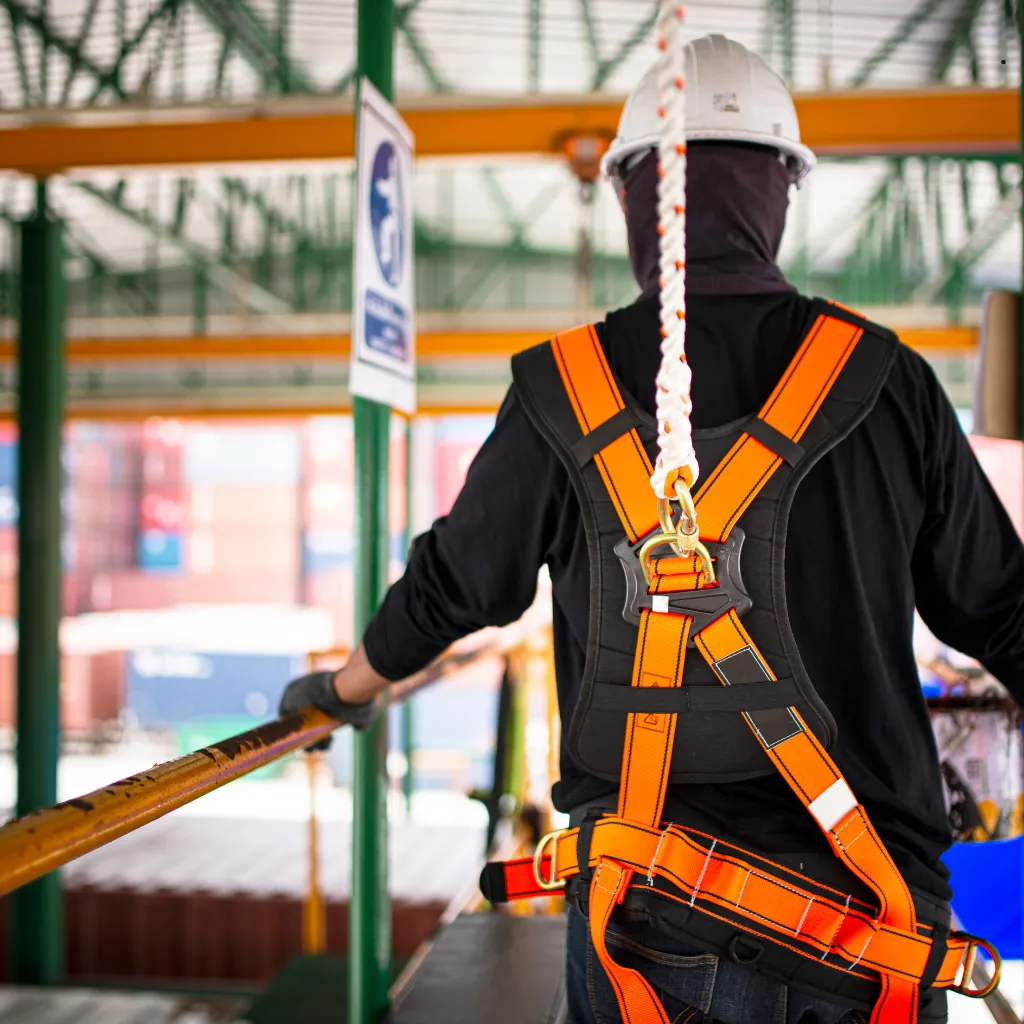
The OSHA 500 – Trainer Course in Occupational Safety & Health Standards for the Construction Industry is an advanced professional certification designed for individuals who aim to become authorized safety trainers within the construction sector. This course focuses on equipping participants with in-depth knowledge of OSHA construction standards, hazard identification, risk prevention strategies, and effective training methodologies. It is specifically structured to develop competent trainers who can educate workers and organizations on maintaining safe and compliant construction environments.
Throughout the program, learners will explore key aspects of occupational safety leadership, including accident prevention planning, site safety audits, and regulatory compliance frameworks. The course emphasizes practical instructional skills, enabling participants to deliver OSHA-authorized outreach training programs with confidence and accuracy. It also strengthens the ability to interpret safety regulations and apply them effectively across diverse construction projects.
By completing this qualification, professionals gain the authority to train others in OSHA construction standards, opening pathways to senior safety roles, consultancy, and training leadership positions. It is an essential certification for those committed to improving workplace safety culture and reducing occupational hazards in high-risk construction environments.
Course Overview
Awarding Body
OSHA
Duration
500
Study Mode
Online
Assessment
Assessment Based
Study Units
- Introduction to Occupational Safety & Health and OSHA Framework
- OSHA Construction Standards (29 CFR 1926) and Compliance
- Construction Focus Four Hazards (Falls, Struck-by, Caught-in/between, Electrical)
- Fall Protection Systems and Requirements
- Electrical Safety in Construction
- Scaffolding, Ladders, and Elevated Work Safety
- Excavation, Trenching, and Confined Spaces
- Personal Protective Equipment (PPE) and Health Hazards
- Materials Handling, Tools, Equipment, and Machinery Safety
- Cranes, Hoisting, Rigging, and Heavy Equipment Safety
- Fire Protection, Emergency Response, and Incident Investigation
- Safety Programs, Recordkeeping, OSHA Inspections, and Trainer Development

Entry Requirements
- Minimum Age: 18 years or above
- Educational Background: High school diploma or equivalent (technical or safety-related education preferred)
- Language Proficiency: Good command of English reading, writing, and communication skills
- Work Experience: Minimum construction safety experience (typically OSHA 510 or equivalent prior certification required)
Who Can Enroll
Trainer Course in Occupational Safety & Health is designed for experienced safety professionals and construction industry practitioners who want to advance into certified trainer roles.
- Safety Officers aiming to become certified trainers
- Construction Supervisors responsible for site safety
- Health & Safety Professionals seeking advanced credentials
- Engineers working in high-risk construction environments
- Corporate Safety Managers handling compliance training
- Experienced professionals transitioning into training roles
- Consultants specializing in occupational safety systems
Course Learning Outcomes
Introduction to Occupational Safety & Health and OSHA Framework
- Understand the principles of occupational safety and health
- Explain the structure, purpose, and role of OSHA
- Identify employer and employee rights and responsibilities
- Interpret key OSHA policies and regulatory frameworks
OSHA Construction Standards (29 CFR 1926) and Compliance
- Interpret OSHA 29 CFR 1926 construction standards
- Apply regulatory requirements to real construction scenarios
- Ensure workplace compliance with OSHA regulations
- Identify consequences of non-compliance
Construction Focus Four Hazards
- Recognize the OSHA Focus Four hazards
- Assess risks related to falls, struck-by, caught-in/between, and electrical hazards
- Implement control measures to reduce incidents
- Promote hazard awareness among workers
Fall Protection Systems and Requirements
- Identify fall hazards in construction environments
- Select appropriate fall protection systems
- Apply OSHA fall protection requirements
- Evaluate effectiveness of fall prevention measures
Electrical Safety in Construction
- Identify electrical hazards and associated risks
- Apply safe work practices for electrical systems
- Understand grounding, bonding, and lockout/tagout principles
- Prevent electrical injuries and incidents
Scaffolding, Ladders, and Elevated Work Safety
- Inspect scaffolds and ladders for safe use
- Apply OSHA requirements for elevated work
- Identify common hazards and preventive measures
- Ensure safe access and working platforms
Excavation, Trenching, and Confined Spaces
- Identify hazards associated with excavation and confined spaces
- Apply protective systems such as shoring and shielding
- Conduct atmospheric testing and hazard assessments
- Implement safe entry and rescue procedures
Personal Protective Equipment (PPE) and Health Hazards
- Select appropriate PPE for various construction tasks
- Understand limitations and proper use of PPE
- Identify health hazards such as noise, dust, and chemicals
- Promote PPE compliance in the workplace
Materials Handling, Tools, Equipment, and Machinery Safety
- Identify hazards related to tools and equipment
- Apply safe handling and storage practices
- Conduct equipment inspections and maintenance checks
- Prevent injuries related to machinery use
Cranes, Hoisting, Rigging, and Heavy Equipment Safety
- Understand safe operation of cranes and lifting equipment
- Identify rigging hazards and proper techniques
- Apply OSHA standards for heavy equipment safety
- Ensure load stability and safe lifting practices
Fire Protection, Emergency Response, and Incident Investigation
- Identify fire hazards and prevention methods
- Develop emergency response procedures
- Conduct incident investigations effectively
- Recommend corrective and preventive actions
Safety Programs, Recordkeeping, OSHA Inspections, and Trainer Development
- Develop and implement safety programs
- Maintain OSHA-required records and documentation
- Prepare for OSHA inspections and audits
- Demonstrate effective training and instructional techniques