OSHAA 30-Hours Diploma in Child Psychology and Development
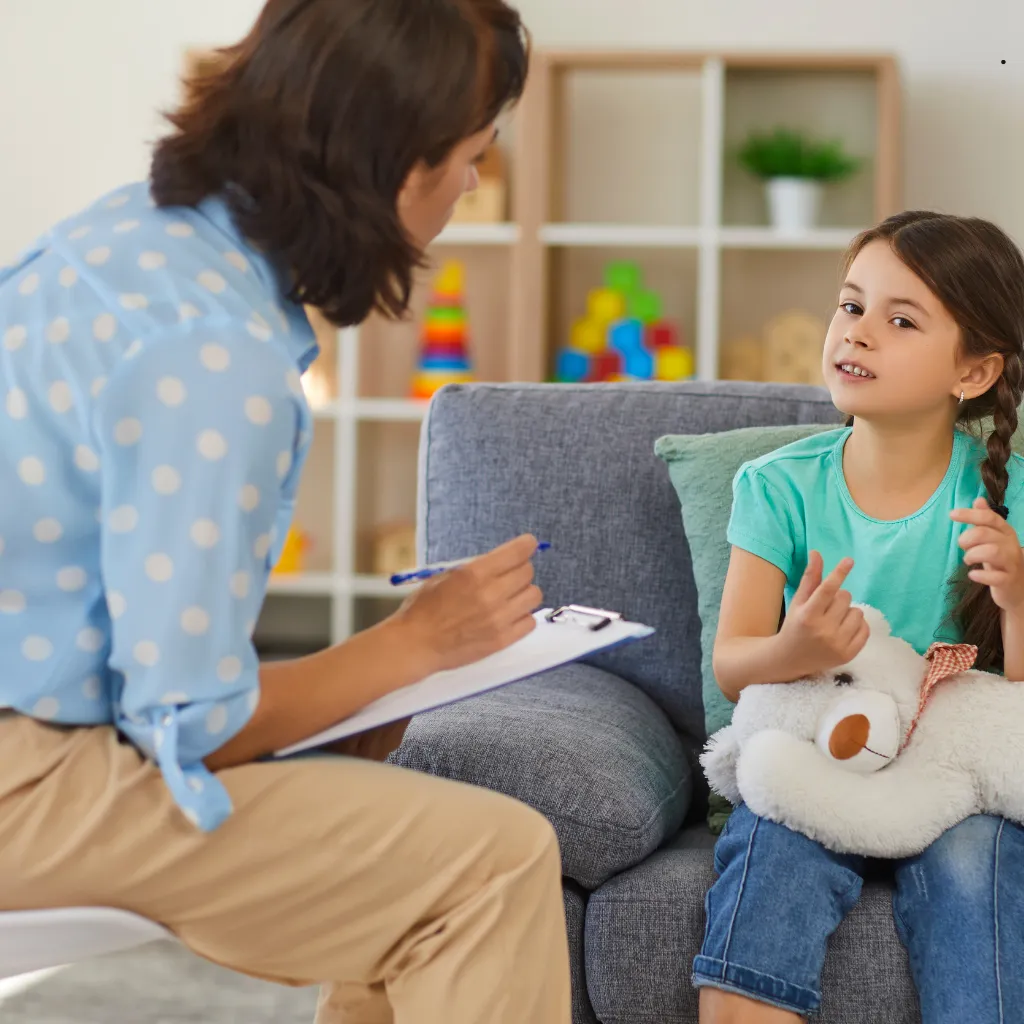
The OSHAA 30-Hours Diploma in Child Psychology and Development is a specialized professional qualification designed to provide a comprehensive understanding of how children grow, learn, behave, and develop across different stages of life. This course explores key psychological, emotional, cognitive, and social development patterns in children, making it highly valuable for professionals working in education, childcare, healthcare, and social support services.
This diploma covers essential topics such as developmental milestones, learning theories, child behavior management, emotional development, parenting influences, and early childhood intervention strategies. Learners will also gain insight into psychological assessment basics, communication techniques with children, and identifying developmental delays or behavioral challenges.
Designed for teachers, childcare workers, social workers, healthcare assistants, and parents, this qualification strengthens both professional competence and applied knowledge in child development. Upon completion, learners will be able to understand child behavior more effectively, support developmental needs, apply psychological principles in real-life settings, and contribute to improved emotional wellbeing and learning outcomes in children across educational and community environments.
Course Overview
Awarding Body
OSHAA
Duration
30-Hours
Study Mode
Online
Assessment
Assessment Based
Study Units
- Introduction to Child Psychology and Developmental Theories (3 Hours)
- Cognitive Development from Infancy to Adolescence (3 Hours)
- Emotional and Social Development in Children (3 Hours)
- Behavioural Patterns and Influencing Factors (3 Hours)
- Language Acquisition and Communication Skills Development (3 Hours)
- Impact of Family, School, and Social Environments on Child Development (3 Hours)
- Identifying Developmental Delays and Special Needs (4 Hours)
- Early Intervention and Support Strategies (3 Hours)
- Observation, Assessment, and Record-Keeping in Child Psychology (3 Hours)
- Ethical and Professional Practices in Working with Children (2 Hours)

Entry Requirements
- Minimum Age: Learners must be 18 years or above.
- Educational Background: A basic secondary education or equivalent is recommended.
- Language Proficiency: A good understanding of English is required to follow course materials and assessments.
- Work Experience: No prior experience is required; however, experience in education, childcare, healthcare, or social work is beneficial.
Who Can Enroll
This course is suitable for individuals working with or supporting children’s development and wellbeing.
- Teachers and teaching assistants
- Childcare workers and nursery staff
- Social workers and community support staff
- Healthcare assistants and pediatric support staff
- Parents and guardians interested in child development
- Psychology and education students
- Individuals seeking careers in child care or educational psychology
Course Learning Outcomes
Introduction to Child Psychology and Developmental Theories (3 Hours)
- Explain the key concepts, scope, and significance of child psychology.
- Compare and contrast major developmental theories and their applications.
- Recognise the stages of child growth and psychological development.
Cognitive Development from Infancy to Adolescence (3 Hours)
- Describe the stages of cognitive development and related milestones.
- Analyse how thinking, problem-solving, and learning abilities evolve in children.
- Apply developmental models to understand variations in cognitive growth.
Emotional and Social Development in Children (3 Hours)
- Identify emotional growth stages and socialisation processes in children.
- Examine the influence of relationships on emotional well-being.
- Recognise signs of emotional or social difficulties in various age groups.
Behavioural Patterns and Influencing Factors (3 Hours)
- Describe common behavioural patterns in childhood and adolescence.
- Analyse the impact of genetics, environment, and life experiences on behaviour.
- Identify strategies to address challenging behaviours constructively.
Language Acquisition and Communication Skills Development (3 Hours)
- Explain stages of language acquisition from early speech to advanced communication.
- Assess the role of interaction, play, and environment in language development.
- Recognise indicators of speech or communication delays.
Impact of Family, School, and Social Environments on Child Development (3 Hours)
- Analyse the role of family structure, parenting styles, and school environments in child development.
- Evaluate the effects of peer influence and community support systems.
- Identify ways to foster positive developmental outcomes through supportive environments.
Identifying Developmental Delays and Special Needs (4 Hours)
- Recognise signs of developmental delays in cognitive, emotional, or physical domains.
- Differentiate between various special needs conditions and their implications.
- Outline referral procedures and support pathways for children with special needs.
Early Intervention and Support Strategies (3 Hours)
- Explain the principles of early intervention in child development.
- Apply techniques to support children with developmental or behavioural challenges.
- Assess the effectiveness of targeted developmental support strategies.
Observation, Assessment, and Record-Keeping in Child Psychology (3 Hours)
- Demonstrate methods for observing and documenting child behaviour.
- Apply assessment tools to evaluate developmental progress.
- Maintain accurate and ethical records in line with professional standards.
Ethical and Professional Practices in Working with Children (2 Hours)
- Maintain professional boundaries and confidentiality in practice.
- Explain ethical responsibilities in child psychology and development work.
- Apply safeguarding and child protection principles.