OSHAA 30-Hours Diploma in Lifeguard Training
The OSHAA 30-Hours Diploma in Lifeguard Training is a professional course designed to prepare individuals with the essential skills and knowledge required to ensure safety in swimming pools, beaches, and aquatic environments. The purpose of this program is to train learners in lifesaving techniques, emergency response, and accident prevention, making them confident and capable lifeguards. It is structured in simple, easy-to-follow modules so participants can quickly understand and apply safety practices. This course is suitable for anyone interested in building a career in aquatic safety or enhancing their personal skills in water rescue.
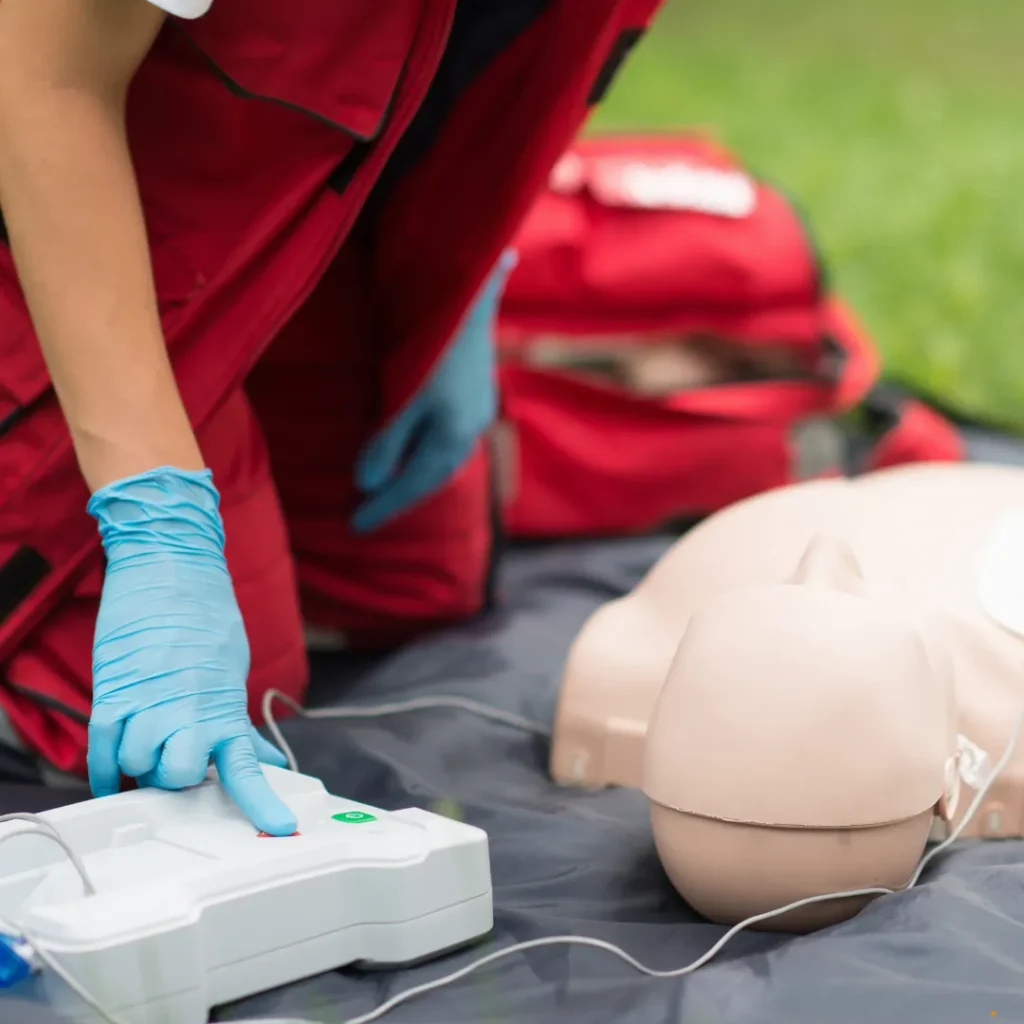
By completing this diploma, learners gain practical training in rescue methods, CPR, first aid, and risk management in aquatic settings. The course emphasizes hands-on learning, ensuring participants can respond effectively to emergencies and protect lives. It also helps organizations and communities maintain safe recreational environments, reducing risks and promoting public confidence in water facilities. Learners will also develop strong decision-making skills and the ability to remain calm under pressure.
For learners, it enhances career opportunities by demonstrating professional competence in lifeguard safety and rescue practices. For organizations, it ensures safer aquatic environments, reduced incidents, and improved public trust. Overall, this diploma is a valuable investment for anyone seeking to strengthen their knowledge of lifeguard training while contributing to safer communities. It also supports long-term sustainability by promoting responsible water safety management. In addition, it helps build a culture of safety and preparedness that benefits both employees and the wider public.
Course Overview
Awarding Body
OSHAA
Duration
30-Hours
Study Mood
Online
Assessment
Assignments Based
Course Study Units
- Introduction to Lifeguarding and Water Safety (2 Hours)
- Water Rescue Techniques (4 Hours)
- CPR and First Aid (5 Hours)
- Emergency Response and Accident Management (3 Hours)
- Health and Safety Regulations in Lifeguarding (4 Hours)
- Risk Assessment and Prevention Strategies (4 Hours)
- Practical Lifeguard Training and Skills Development (6 Hours)
- Communication and Teamwork in Lifeguard Operations (2 Hours)

Entry Requirements
Who Can Enroll
This diploma is designed for individuals who want to build strong skills in lifeguard training and contribute to safer aquatic environments.
- Age 18 years or above
- Completed secondary school or equivalent education
- Basic swimming ability and comfort in water
- Interest in health, safety, and rescue practices
- Willingness to learn and apply emergency response skills
- Functional English language comprehension
Course Learning Outcomes
Introduction to Lifeguarding and Water Safety (2 Hours)
- Understand the role and responsibilities of a lifeguard in various aquatic environments
- Learn essential water safety principles to ensure the well-being of individuals in and around water
- Recognise the importance of constant vigilance and awareness in maintaining water safety
Water Rescue Techniques (4 Hours)
- Master different water rescue techniques, including reaching assists, throwing rescues, and in-water rescues
- Learn to use rescue equipment effectively in various emergency scenarios
- Develop the ability to assess and select the most appropriate rescue method based on the situation
CPR and First Aid (5 Hours)
- Gain life-saving skills in CPR for adults, children, and infants
- Learn to administer first aid for common aquatic injuries and emergencies
- Recognise and manage situations such as choking, drowning, and cardiac arrest
Emergency Response and Accident Management (3 Hours)
- Respond quickly and effectively to emergencies in aquatic environments
- Develop skills in managing accidents including drowning and injuries
- Assess injury severity and provide appropriate care promptly
Health and Safety Regulations in Lifeguarding (4 Hours)
- Understand key health and safety regulations for lifeguarding and aquatic facilities
- Learn the legal responsibilities of lifeguards in maintaining safety standards
- Implement safety measures to minimise risks and prevent accidents
Risk Assessment and Prevention Strategies (4 Hours)
- Conduct risk assessments in aquatic settings to identify potential hazards
- Develop strategies for accident prevention and safe swimming environments
- Maintain safety standards and ensure emergency readiness
Practical Lifeguard Training and Skills Development (6 Hours)
- Engage in practical exercises to develop and refine rescue and CPR skills
- Participate in mock emergency scenarios to improve reaction time and decision-making
- Gain hands-on experience with lifeguard tools and equipment
Communication and Teamwork in Lifeguard Operations (2 Hours)
- Understand the importance of clear communication between lifeguards and team members
- Learn effective communication strategies during emergencies and routine operations
- Develop teamwork skills to manage situations efficiently and ensure swimmer safety