OSHAA 30-Hours Diploma in Occupational Hygiene
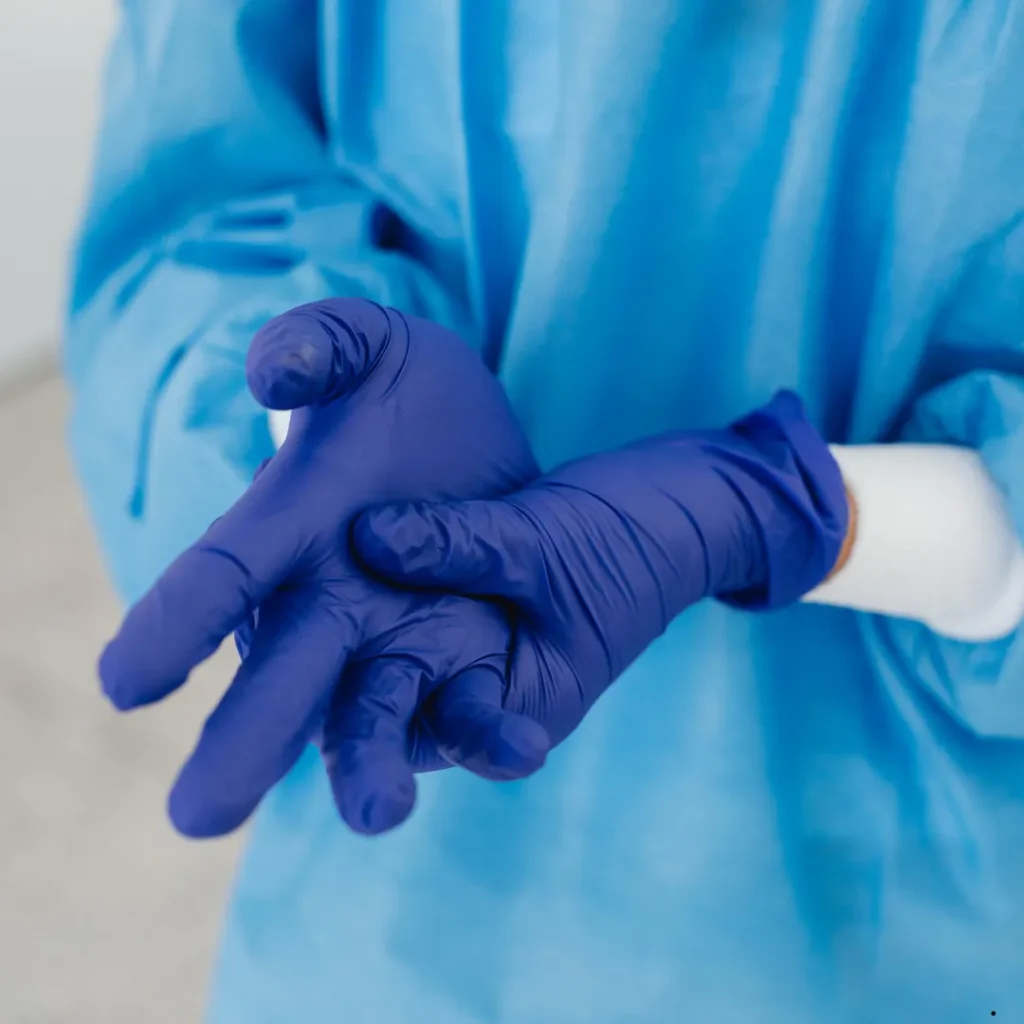
The OSHAA 30-Hours Diploma in Occupational Hygiene provides learners with a practical understanding of how workplace environments influence employee health and safety. The course introduces the core principles of occupational hygiene, including the identification of physical, chemical, biological, and environmental hazards that may arise in different work settings. Learners explore how exposure to dust, fumes, noise, temperature extremes, and poor air quality can impact worker well-being.
Throughout the training, participants study basic methods for recognizing hazards, assessing exposure, and applying simple control measures to reduce risks. The course highlights the importance of workplace monitoring, safe procedures, proper ventilation, and responsible use of protective equipment. Practical examples help learners understand how occupational hygiene applies across industries such as construction, manufacturing, healthcare, laboratories, warehouses, and office environments. This structured approach strengthens awareness of how maintaining healthy work conditions contributes to productivity, compliance, and overall organizational performance.
The diploma also emphasizes the role of individuals and organizations in promoting a culture of workplace health prevention. Learners gain insight into early warning signs of unsafe environments, the value of regular inspections, and the importance of consistent hygiene practices. By the end of the course, participants will have a solid foundation in occupational hygiene concepts and a clearer understanding of how to support healthier and safer workplaces through responsible monitoring and preventive action.
Course Overview
Awarding Body
OSHAA
Duration
30-Hours
Study Mood
Online
Assessment
Assignments Based
Course Study Units
- Introduction to Occupational Hygiene and Workplace Hazards (3 Hours)
- Principles of Hazard Identification and Risk Assessment (4 Hours)
- Chemical and Biological Hazard Control Strategies (4 Hours)
- Air Quality, Ventilation, and Respiratory Protection (4 Hours)
- Noise, Vibration, and Occupational Health Risks (3 Hours)
- Ergonomics and Workplace Design for Injury Prevention (4 Hours)
- Exposure Monitoring, Sampling, and Assessment Techniques (4 Hours)
- Legal and Regulatory Frameworks for Occupational Hygiene (4 Hours)

Entry Requirements
Who Can Enroll
This course is suitable for individuals who want to improve workplace health awareness, including:
- Workers in industrial, construction, or technical environments
- Health and safety assistants or coordinators
- Supervisors responsible for workplace conditions
- Facility, maintenance, or operations staff
- Students interested in occupational health and safety
- Anyone aiming to understand workplace hygiene risks
Course Learning Outcomes
Introduction to Occupational Hygiene and Workplace Hazards (3 Hours)
- Understand the fundamental concepts of occupational hygiene and its role in workplace safety
- Identify common workplace hazards, including chemical, physical, and biological risks
- Recognise the importance of hazard control and prevention strategies in occupational settings
Principles of Hazard Identification and Risk Assessment (4 Hours)
- Learn systematic approaches to identifying workplace hazards and assessing risks
- Develop skills to conduct effective risk assessments and prioritise control measures
- Understand the hierarchy of controls and how to apply it in various workplace scenarios
Chemical and Biological Hazard Control Strategies (4 Hours)
- Identify potential chemical and biological hazards in the workplace
- Understand exposure limits, toxicity, and routes of exposure
- Learn best practices for handling, storing, and disposing of hazardous substances
Air Quality, Ventilation, and Respiratory Protection (4 Hours)
- Understand the impact of air quality on occupational health and safety
- Learn about different types of ventilation systems and their effectiveness
- Develop knowledge of respiratory protective equipment and its proper usage
Noise, Vibration, and Occupational Health Risks (3 Hours)
- Recognise the effects of noise and vibration on worker health and well-being
- Learn about noise exposure limits and measurement techniques
- Understand strategies for noise and vibration control in the workplace
Ergonomics and Workplace Design for Injury Prevention (4 Hours)
- Identify ergonomic risk factors that contribute to workplace injuries
- Learn techniques to improve workstation design and reduce musculoskeletal disorders
- Develop skills to implement ergonomic assessments and interventions
Exposure Monitoring, Sampling, and Assessment Techniques (4 Hours)
- Gain knowledge of exposure monitoring methods for hazardous substances
- Learn sampling techniques and data interpretation for workplace health assessments
- Understand the role of occupational hygiene surveys in workplace safety management
Legal and Regulatory Frameworks for Occupational Hygiene (4 Hours)
- Develop an understanding of national and international occupational hygiene regulations
- Learn about employer and employee responsibilities under health and safety laws
- Understand compliance requirements and best practices for maintaining regulatory standards