OSHAA 30-Hours Diploma in Radiography for X-Ray Technicians
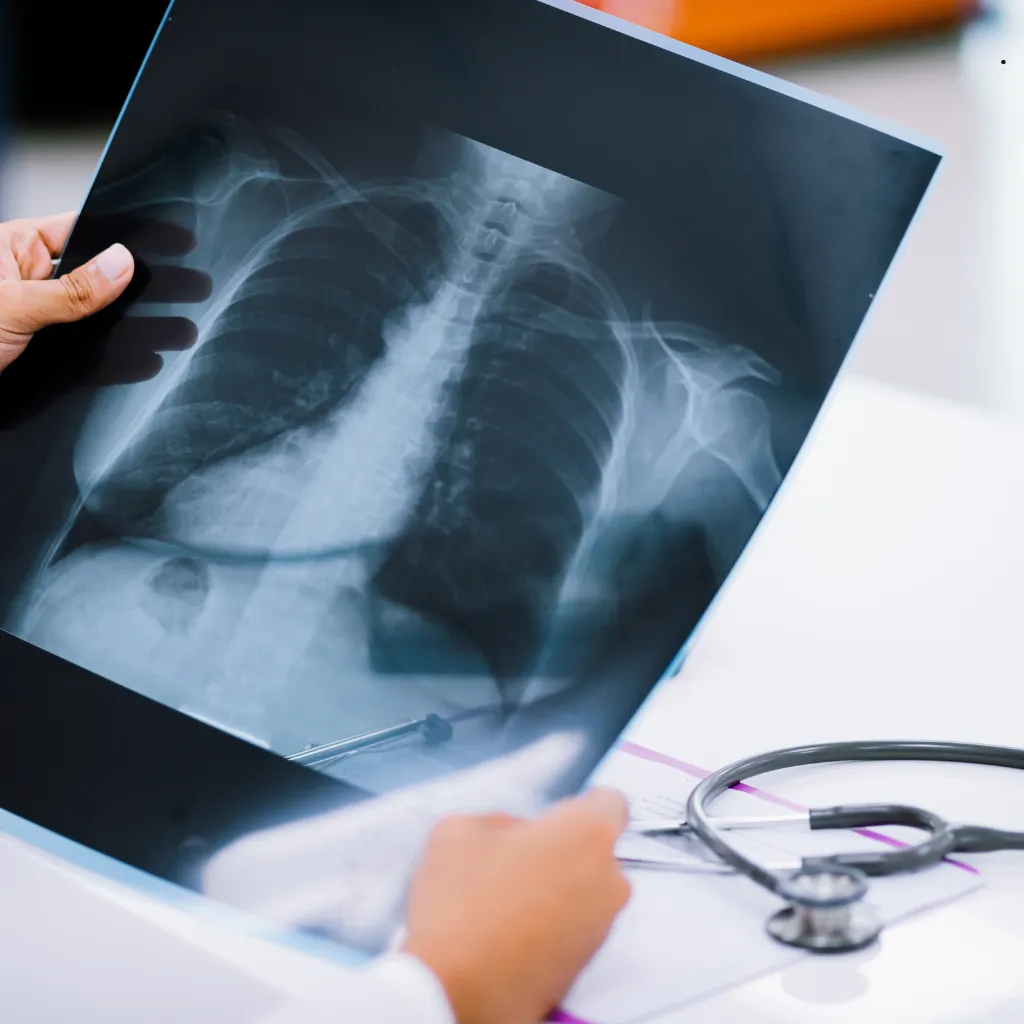
The OSHAA 30-Hours Diploma in Radiography for X-Ray Technicians is a specialized healthcare training program designed to provide foundational knowledge and practical understanding of diagnostic imaging and radiographic procedures. This course equips learners with essential skills required to operate X-ray equipment safely and effectively while supporting accurate medical diagnosis in clinical environments. It is highly relevant for healthcare professionals working in hospitals, diagnostic centers, and imaging departments.
This comprehensive diploma covers core areas including radiographic imaging principles, human anatomy relevant to imaging, radiation physics, patient positioning techniques, image quality optimization, and radiation safety standards. Learners will also gain insight into infection control, equipment handling, and regulatory compliance within diagnostic imaging environments.
Designed for X-ray technicians, radiography assistants, healthcare workers, and individuals entering the medical imaging field, this qualification strengthens both technical competence and clinical confidence. Upon completion, learners will be able to support diagnostic procedures, maintain radiation safety standards, and contribute effectively to healthcare teams.
Course Overview
Awarding Body
OSHAA
Duration
30-Hours
Study Mode
Online
Assessment
Assessment Based
Study Units
- Fundamentals of Radiography and Imaging Principles (3 Hours)
- Radiation Physics and X-Ray Production (3 Hours)
- Anatomy for Radiographic Positioning (3 Hours)
- Operation and Calibration of X-Ray Equipment (3 Hours)
- Radiation Protection and Safety Protocols (3 Hours)
- Patient Care, Comfort, and Communication in Radiography (3 Hours)
- Radiographic Techniques for Different Anatomical Regions (4 Hours)
- Image Quality Assessment and Error Correction (3 Hours)
- Legal, Ethical, and Regulatory Requirements in Radiography (3 Hours)
- Quality Assurance and Maintenance of Imaging Standards (2 Hours)

Entry Requirements
- Minimum Age: Learners must be 18 years or above.
- Educational Background: A basic secondary education is recommended, preferably with science subjects such as biology or physics.
- Language Proficiency: Good understanding of English is required to comprehend technical terminology and course materials.
- Work Experience: No prior radiography experience is required; however, healthcare or clinical exposure is an advantage.
Who Can Enroll
This course is ideal for individuals seeking to build or advance a career in medical imaging and diagnostic radiography.
- X-Ray Technicians and Radiography Assistants
- Healthcare workers in hospitals and diagnostic centers
- Medical imaging and radiology students
- Nurses and clinical support staff
- Laboratory and hospital technical staff
- Individuals seeking entry into radiography or healthcare imaging roles
- Professionals aiming to upgrade skills in diagnostic imaging
Course Learning Outcomes
Fundamentals of Radiography and Imaging Principles (3 Hours)
- Understand the basic concepts and scope of radiography in medical imaging
- Explain the principles of image formation and interpretation
- Recognise the role of radiography within diagnostic healthcare services
Radiation Physics and X-Ray Production (3 Hours)
- Explain the physical principles behind X-ray generation and propagation
- Identify the components and functions of X-ray generating systems
- Understand how exposure factors influence image quality and patient safety
Anatomy for Radiographic Positioning (3 Hours)
- Identify anatomical structures relevant to common radiographic procedures
- Apply anatomical knowledge to achieve accurate patient positioning
- Understand the relationship between anatomy and optimal image capture
Operation and Calibration of X-Ray Equipment (3 Hours)
- Operate X-ray machines following standard protocols
- Perform basic calibration procedures to maintain equipment accuracy
- Troubleshoot common operational issues with radiography equipment
Radiation Protection and Safety Protocols (3 Hours)
- Apply principles of radiation safety for patients, staff, and self
- Implement ALARA (As Low As Reasonably Achievable) guidelines
- Use shielding, monitoring devices, and protective measures effectively
Patient Care, Comfort, and Communication in Radiography (3 Hours)
- Demonstrate effective communication with patients to ensure cooperation
- Provide comfort and reassurance during radiographic procedures
- Apply patient handling techniques that ensure safety and dignity
Radiographic Techniques for Different Anatomical Regions (4 Hours)
- Select appropriate radiographic techniques for various body parts
- Adjust positioning and exposure settings for optimal imaging results
- Identify and correct positioning errors during the procedure
Image Quality Assessment and Error Correction (3 Hours)
- Evaluate radiographic images for clarity, contrast, and diagnostic value
- Identify common image quality issues and their causes
- Apply corrective actions to improve suboptimal images
Legal, Ethical, and Regulatory Requirements in Radiography (3 Hours)
- Understand legal obligations and professional responsibilities in radiography
- Apply ethical principles to patient care and imaging practices
- Follow relevant national and international regulatory standards
Quality Assurance and Maintenance of Imaging Standards (2 Hours)
- Implement quality control procedures in radiographic practice
- Maintain records of equipment performance and calibration
- Ensure consistent compliance with imaging quality standards