OSHAA 30-Hours Food Safety and Hygiene in the Catering Industry
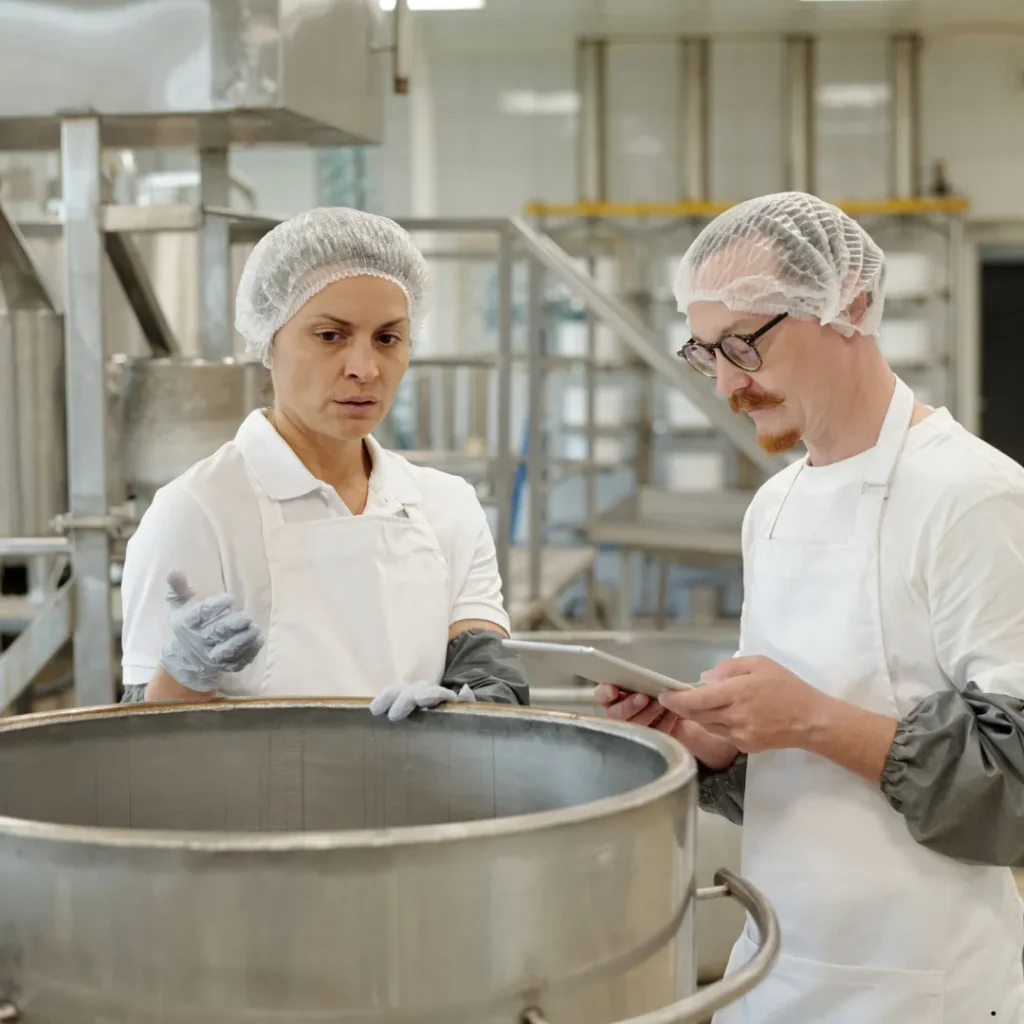
The OSHAA 30-Hours Food Safety and Hygiene in the Catering Industry course is designed to provide learners with essential knowledge of safe food handling and hygienic practices specific to catering environments. It introduces the principles of food safety, explaining how contamination can occur during preparation, cooking, storage, and service. The course highlights the importance of maintaining clean workspaces, following structured hygiene routines, and handling food responsibly to protect consumer health.
This training focuses on practical catering situations, helping learners recognize potential risks in kitchens, food service areas, and catering operations. Participants learn how to prevent cross-contamination, apply personal hygiene requirements, and follow safe storage and preparation procedures. The course also explains cleaning schedules, safe waste handling, and monitoring practices that support hygienic operations. By connecting theory with real workplace examples, the training encourages learners to develop awareness and responsibility, enabling them to contribute to safer catering practices and improved hygiene performance within professional food service environments.
The structured 30-hour format allows learners to build confidence in applying food safety knowledge in everyday catering tasks. The course supports individuals who want to improve their understanding of hygiene standards or strengthen their role in maintaining safe food service operations. These skills can be applied in restaurants, catering companies, institutional kitchens, event food services, and other catering environments where safe food preparation and cleanliness are essential.
Course Overview
Awarding Body
OSHAA
Duration
30-Hours
Study Mood
Online
Assessment
Assignments Based
Course Study Units
- Introduction to Food Safety and Hygiene (2 Hours)
- Foodborne Illnesses and Contamination (5 Hours)
- Food Storage and Temperature Control (5 Hours)
- Personal Hygiene and Health Requirements for Catering Staff (4 Hours)
- Cleaning, Sanitising, and Pest Control (4 Hours)
- HACCP (Hazard Analysis and Critical Control Points) in Catering (5 Hours)
- Legal Requirements and Food Safety Standards in Catering (2 Hours)
- Dealing with Food Safety Emergencies (3 Hours)

Entry Requirements
Who Can Enroll
This course is ideal for individuals who want to improve catering food safety and hygiene knowledge, including:
- Catering staff and kitchen assistants
- Chefs, cooks, and food preparation workers
- Restaurant or catering supervisors
- Hospitality and event catering personnel
- Small catering or food service business owners
- Beginners planning to work in catering environments
Course Learning Outcomes
Introduction to Food Safety and Hygiene (2 Hours)
- Understand the key principles of food safety and hygiene in the catering industry
- Recognise the importance of food safety in preventing foodborne illnesses
- Gain an overview of UK food safety regulations and their relevance to the catering industry
- Learn about the basic hygiene practices required for food handlers and food preparation areas
Foodborne Illnesses and Contamination (5 Hours)
- Identify common foodborne illnesses and understand their causes and symptoms
- Understand the different types of contamination: biological, chemical, and physical
- Learn strategies to prevent contamination during food handling and preparation
- Recognise high-risk groups and understand how to manage food safety to protect them
- Gain an understanding of the impact of foodborne illnesses on business reputation and customer trust
Food Storage and Temperature Control (5 Hours)
- Learn proper food storage techniques for different food types (dry, refrigerated, frozen)
- Understand the importance of temperature control to prevent foodborne illnesses
- Know the temperature danger zones and how to avoid them
- Learn how to use and maintain temperature monitoring equipment, such as thermometers
- Gain the skills to track and record food temperatures to ensure compliance with food safety standards
Personal Hygiene and Health Requirements for Catering Staff (4 Hours)
- Understand the importance of personal hygiene in preventing food contamination
- Learn the correct handwashing techniques and the role of sanitising products
- Know the health and legal requirements for food handlers in the catering industry
- Learn how to manage illness in food handlers and prevent the spread of infections
- Understand the role of personal protective equipment (PPE) in maintaining food safety
Cleaning, Sanitising, and Pest Control (4 Hours)
- Understand the difference between cleaning, sanitising, and disinfecting
- Learn how to implement effective cleaning procedures in food preparation areas
- Gain knowledge of pest control measures to maintain a pest-free environment
- Develop the ability to create and implement cleaning schedules and maintain records
- Learn how to prevent cross-contamination through proper cleaning and sanitisation techniques
HACCP (Hazard Analysis and Critical Control Points) in Catering (5 Hours)
- Understand the principles of the HACCP system and its application in the catering industry
- Learn how to conduct a hazard analysis and identify critical control points in food production
- Gain skills in developing and implementing a HACCP plan for food safety
- Learn the importance of monitoring, recording, and corrective actions within a HACCP framework
- Understand how to ensure continuous compliance with food safety standards through the HACCP system
Legal Requirements and Food Safety Standards in Catering (2 Hours)
- Understand key UK food safety laws and regulations, including the Food Safety Act 1990
- Learn the legal responsibilities of catering businesses regarding food hygiene
- Gain knowledge of food safety inspections and the audit process
- Understand the role and benefits of food safety certifications for catering establishments
Dealing with Food Safety Emergencies (3 Hours)
- Learn how to respond effectively to food safety emergencies, such as foodborne illness outbreaks
- Develop strategies for managing crises and ensuring minimal impact on customers and business reputation
- Gain knowledge of how to communicate food safety issues with staff and customers
- Understand the importance of having an emergency plan and proper training for handling food safety incidents
- Learn how to prevent food safety emergencies through proactive measures and preparedness