OSHAA 30-Hours Professional Diploma in Adult Healthcare
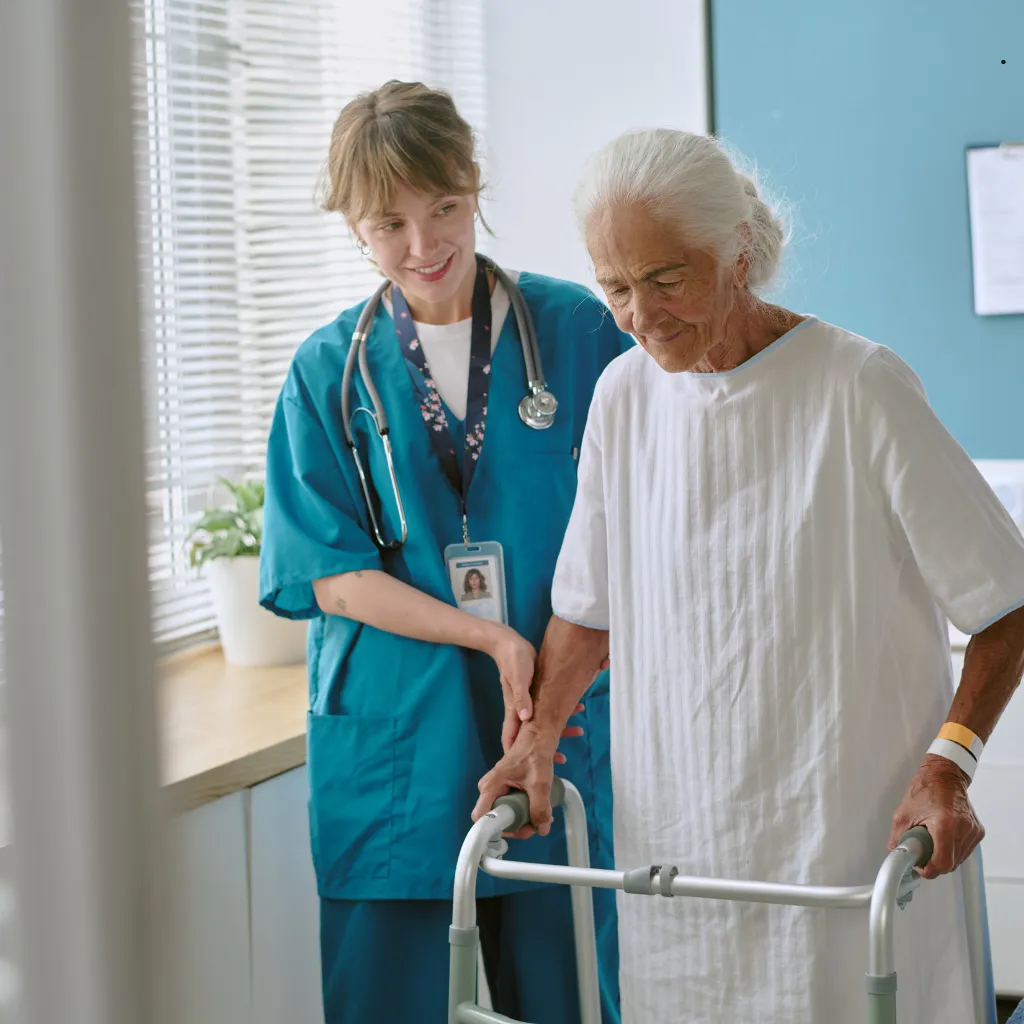
The OSHAA 30-Hours Professional Diploma in Adult Healthcare is a specialised vocational qualification designed to build essential knowledge and practical skills required for delivering safe, effective, and compassionate adult care services. This course focuses on core principles of adult healthcare, patient support, hygiene standards, and safe caregiving practices in clinical and community settings. It is ideal for individuals seeking to begin or enhance their careers in the healthcare and social care sector.
This diploma covers key areas such as patient hygiene and dignity, infection prevention and control, vital signs monitoring, mobility support, nutrition and hydration, and safeguarding vulnerable adults. Learners also gain an understanding of healthcare ethics, communication in care environments, and regulatory compliance standards.
The OSHAA 30-Hours Professional Diploma in Adult Healthcare is highly relevant for healthcare assistants, caregivers, nursing support staff, and individuals working in hospitals, clinics, and residential care facilities. Successful completion enhances employability in adult care services, improves patient care standards, and supports employers in maintaining regulatory compliance. It also strengthens workforce capability, reduces care-related risks, and ensures safer, more effective healthcare delivery across adult care environments.
Course Overview
Awarding Body
OSHAA
Duration
30-Hours
Study Mode
Online
Assessment
Assessment Based
Study Units
- Introduction to Adult Healthcare Principles and Professional Responsibilities (3 Hours)
- Effective Communication and Interpersonal Skills in Care Settings (3 Hours)
- Health, Safety, and Infection Prevention Practices (3 Hours)
- Safeguarding Adults and Promoting Dignity in Care (3 Hours)
- Understanding Common Adult Health Conditions and Care Approaches (4 Hours)
- Nutrition, Hydration, and Supporting Daily Living Activities (3 Hours)
- Legal, Ethical, and Regulatory Requirements in Adult Healthcare (3 Hours)
- Recognising and Responding to Health Emergencies (3 Hours)
- Care Planning, Documentation, and Record-Keeping (2 Hours)
- Promoting Well-being and Preventive Care Strategies (3 Hours)

Entry Requirements
- Minimum Age: Learners must be 18 years or above.
- Educational Background: A basic secondary education or equivalent qualification is recommended. No advanced healthcare qualifications are required.
- Language Proficiency: A good understanding of English is required to follow healthcare procedures, course materials, and assessments.
- Work Experience: No prior healthcare experience is required; however, experience in caregiving, community support, or healthcare environments is beneficial.
Who Can Enroll
This qualification is ideal for individuals who want to develop professional skills in adult healthcare and patient support services.
- Aspiring healthcare assistants and caregivers
- Nursing assistants and support workers
- Residential and community care staff
- Home care and domiciliary care workers
- Individuals entering the healthcare sector
- Healthcare volunteers and support personnel
- Professionals seeking career progression in adult care services
Course Learning Outcomes
Introduction to Adult Healthcare Principles and Professional Responsibilities (3 Hours)
Understand the core principles of adult healthcare and how they apply across different care settings. Identify the roles and responsibilities of healthcare professionals in providing safe, effective care. Demonstrate awareness of professional boundaries, ethical conduct, and accountability in healthcare practice.
Effective Communication and Interpersonal Skills in Care Settings (3 Hours)
Apply effective verbal and non-verbal communication techniques when interacting with adults in care. Build trust and rapport through active listening, empathy, and patient-centred approaches. Adapt communication strategies to meet diverse needs, including individuals with communication barriers or cognitive impairments.
Health, Safety, and Infection Prevention Practices (3 Hours)
Recognise potential hazards in healthcare environments and implement safety measures. Apply standard infection prevention and control procedures to reduce health risks. Understand proper use of personal protective equipment (PPE), safe waste disposal, and hygiene practices to protect both staff and patients.
Safeguarding Adults and Promoting Dignity in Care (3 Hours)
Identify signs of abuse, neglect, or exploitation in adults. Understand safeguarding policies, reporting protocols, and responsibilities under the law. Promote dignity, privacy, and respect while delivering person-centred care.
Understanding Common Adult Health Conditions and Care Approaches (4 Hours)
Recognise symptoms and care requirements for common adult health conditions. Apply appropriate strategies for supporting individuals with chronic or acute illnesses. Encourage independence while providing tailored care to meet individual needs.
Nutrition, Hydration, and Supporting Daily Living Activities (3 Hours)
Understand the importance of balanced nutrition and adequate hydration for adult well-being. Assist with meal planning, preparation, and feeding when required. Support personal care and daily living activities while maintaining dignity and comfort.
Legal, Ethical, and Regulatory Requirements in Adult Healthcare (3 Hours)
Understand key healthcare laws, professional standards, and regulatory frameworks. Apply ethical principles in decision-making and care delivery. Ensure compliance with confidentiality, consent, and data protection requirements.
Recognising and Responding to Health Emergencies (3 Hours)
Identify early warning signs of health emergencies in adults. Apply basic first aid techniques and emergency response procedures. Coordinate effectively with medical professionals and follow established emergency protocols.
Care Planning, Documentation, and Record-Keeping (2 Hours)
Develop accurate, person-centred care plans based on assessments. Maintain clear, concise, and compliant documentation of care provided. Use records to monitor progress, support continuity, and inform care decisions.
Promoting Well-being and Preventive Care Strategies (3 Hours)
Encourage lifestyle choices that enhance long-term physical and mental health. Promote emotional support and mental health awareness. Implement preventive care measures to reduce risks and support overall well-being.