OSHAA 30-Hours Professional Diploma in Airport Cargo
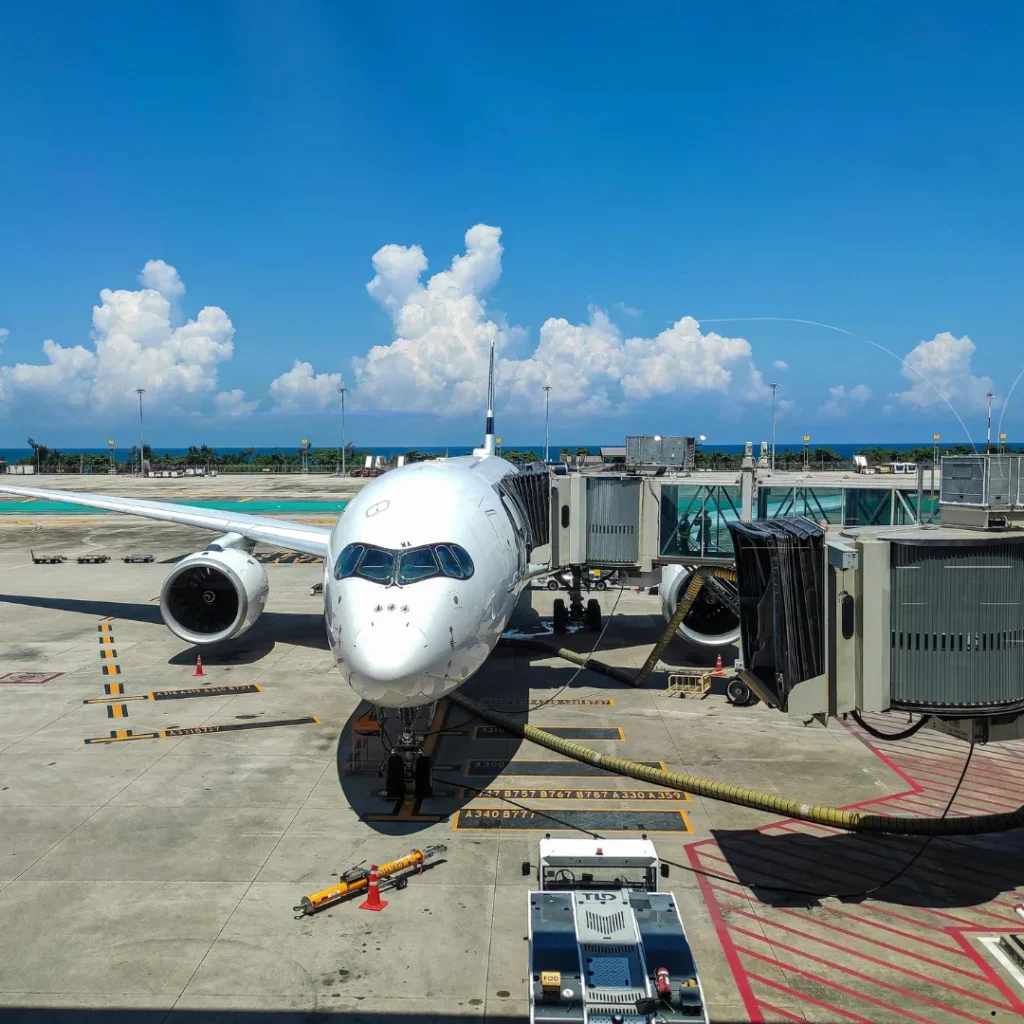
The OSHA 30-Hours Professional Diploma in Airport Cargo is a specialized program designed to provide learners with a comprehensive understanding of occupational safety standards and the operational practices involved in airport cargo management. This diploma integrates OSHA principles with aviation cargo operations, ensuring participants gain the skills to manage safety, compliance, and efficiency in cargo handling, storage, and airport logistics. Learners will explore the global significance of airport cargo, its role in aviation trade, and the regulatory frameworks that govern safe and secure cargo operations.
The curriculum is structured into focused modules covering cargo handling procedures, warehousing, airport logistics integration, hazard identification, emergency response planning, and compliance with international aviation standards. Each module emphasizes practical applications, preparing learners to implement safety measures and streamline cargo operations in real-world airport environments. By completing this diploma, learners will be equipped to identify risks, apply compliance frameworks, and contribute to safer and more efficient airport cargo management.
This program also highlights leadership, accountability, and workplace safety culture within aviation logistics. Learners will be encouraged to adopt proactive approaches to safety, foster communication across teams, and promote compliance awareness. By the end of the course, participants will have developed a strong foundation in airport cargo operations, enabling them to confidently apply their knowledge in aviation workplaces and support organizational goals for safety, efficiency, and regulatory adherence.
Course Overview
Awarding Body
OSHAA
Duration
30-Hours
Study Mood
Online
Assessment
Assignments Based
Course Study Units
- Introduction to Airport Cargo Operations and OSHAA Standards (3 Hours)
- Global Air Cargo Industry, Trade Principles, and Market Dynamics (3 Hours)
- International Aviation Regulations, Compliance, and Legal Frameworks (4 Hours)
- Air Cargo Documentation, Contracts, and Financial Instruments (3 Hours)
- Cargo Handling Procedures, Warehousing, and Airport Logistics Integration (3 Hours)
- Risk Management, Aviation Insurance, and Liability in Cargo Operations (3 Hours)
- Customs Procedures, Security Protocols, and Regulatory Compliance (3 Hours)
- Hazardous Materials Handling, Safety Protocols, and Emergency Preparedness (3 Hours)
- Safety Management Systems, ISM/ISO Standards, and Compliance Auditing (3 Hours)
- Professional Development, Leadership, and Ethical Practices in Airport Cargo Management (2 Hours)

Entry Requirements
Who Can Enroll
This course is best suited for individuals motivated to enhance their knowledge of airport cargo operations.
- Airport ground handling staff seeking structured safety training.
- Cargo and logistics coordinators working in aviation.
- Safety officers responsible for airport cargo operations.
- Supervisors and managers overseeing aviation logistics.
- Individuals interested in occupational safety with a focus on airport cargo.
- Professionals aspiring to strengthen their regulatory and compliance knowledge.
Course Learning Outcomes
Introduction to Airport Cargo Operations and OSHAA Standards (3 Hours)
- Understand the fundamental role of airport cargo operations in global trade and logistics.
- Gain knowledge of OSHAA standards and their application in aviation cargo environments.
- Recognize the importance of integrating occupational safety into airport cargo management practices.
- Develop the ability to connect compliance with operational efficiency and organizational performance.
Global Air Cargo Industry, Trade Principles, and Market Dynamics (3 Hours)
- Acquire a strong foundation in global air cargo industry principles and trade dynamics.
- Learn how freight rates, supply-demand cycles, and market trends influence cargo operations.
- Understand the relationship between international trade flows and airport cargo logistics.
- Apply economic principles to evaluate risks and opportunities in the aviation cargo sector.
International Aviation Regulations, Compliance, and Legal Frameworks (4 Hours)
- Gain in-depth knowledge of international conventions such as ICAO, IATA, and aviation safety regulations.
- Understand the role of global aviation authorities in regulating cargo operations.
- Learn to interpret and apply compliance frameworks to daily airport cargo activities.
- Develop the ability to ensure organizational adherence to international safety and environmental standards.
Air Cargo Documentation, Contracts, and Financial Instruments (3 Hours)
- Understand the importance of air waybills, cargo manifests, and other essential documentation.
- Gain knowledge of trade finance instruments and their role in cargo transactions.
- Learn how to manage contracts and financial obligations in airport cargo operations.
- Apply documentation and financial tools to minimize risks and ensure compliance.
Cargo Handling Procedures, Warehousing, and Airport Logistics Integration (3 Hours)
- Understand the principles of safe cargo handling and efficient warehousing practices.
- Gain knowledge of airport logistics integration and its impact on trade efficiency.
- Learn best practices to minimize risks during cargo loading, unloading, and storage.
- Apply compliance measures to ensure safe and efficient airport cargo performance.
Risk Management, Aviation Insurance, and Liability in Cargo Operations (3 Hours)
- Master techniques for identifying and managing risks in airport cargo operations.
- Gain expertise in aviation insurance policies and liability management.
- Learn how to evaluate insurance coverage for cargo, aircraft, and logistics operations.
- Apply risk management strategies to minimize financial exposure and ensure compliance.
Customs Procedures, Security Protocols, and Regulatory Compliance (3 Hours)
- Understand customs procedures and their role in international cargo operations.
- Gain knowledge of aviation security protocols and their impact on airport cargo.
- Learn how to ensure compliance with customs regulations and international trade laws.
- Apply best practices to streamline customs processes and reduce operational delays.
Hazardous Materials Handling, Safety Protocols, and Emergency Preparedness (3 Hours)
- Understand the classification and handling requirements of hazardous materials in air cargo.
- Gain knowledge of safety protocols for dangerous goods and restricted cargo.
- Learn strategies for emergency preparedness and incident response in airport cargo operations.
- Develop the ability to implement OSHA-compliant safety measures for hazardous cargo.
Safety Management Systems, ISM/ISO Standards, and Compliance Auditing (3 Hours)
- Gain expertise in developing and implementing Safety Management Systems (SMS).
- Understand the requirements of ISM and ISO standards in airport cargo operations.
- Learn how to monitor, audit, and continuously improve compliance systems.
- Apply auditing principles to strengthen accountability and organizational safety culture.
Professional Development, Leadership, and Ethical Practices in Airport Cargo Management (2 Hours)
- Develop leadership skills to promote compliance and ethical practices in cargo operations.
- Learn how to foster a strong compliance culture that prioritizes accountability and responsibility.
- Understand the role of professional development in advancing careers in airport cargo management.
- Apply global best practices to ensure continuous improvement in compliance and operational performance.