OSHAA 30-Hours Professional Diploma in Aquatic Therapy Pool Rescue (ATPR)
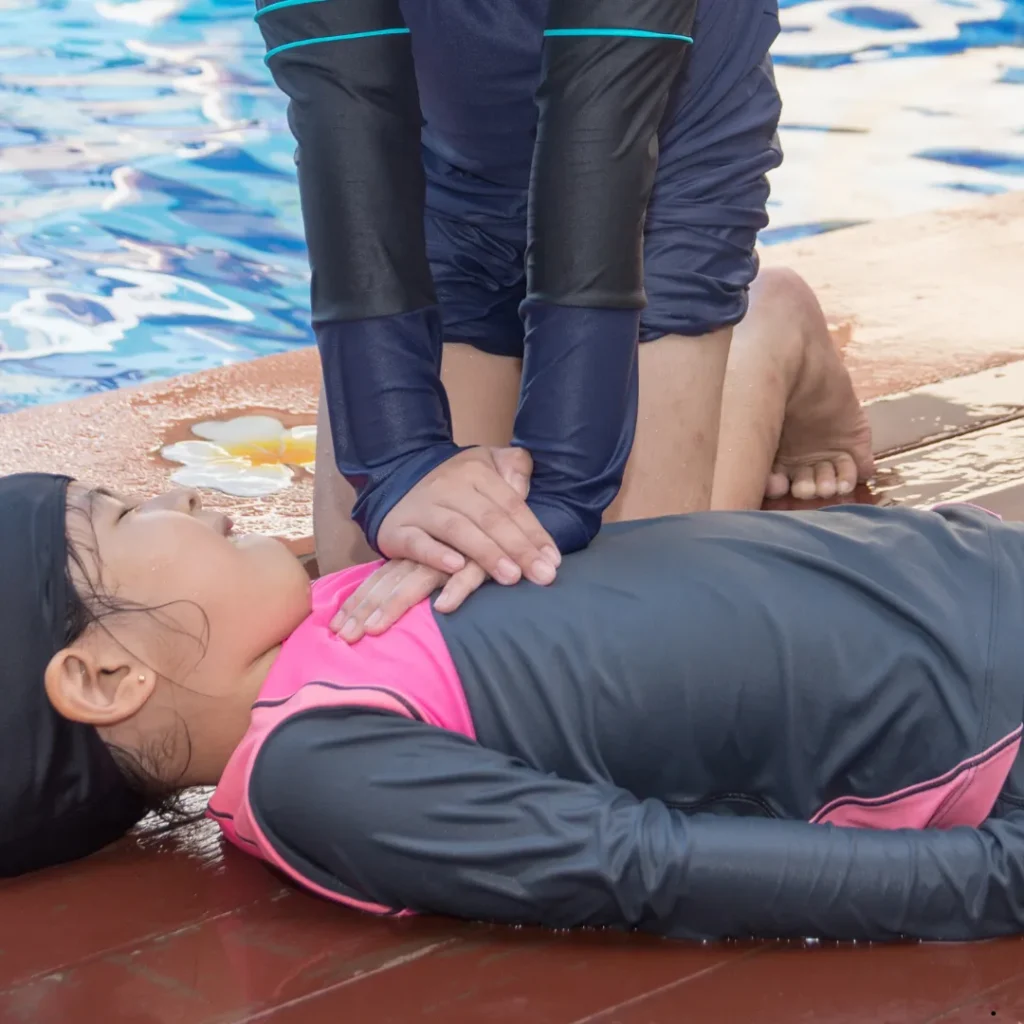
The OSHAA 30-Hours Professional Diploma in Aquatic Therapy Pool Rescue (ATPR) is designed to provide learners with a comprehensive understanding of aquatic safety, therapeutic pool environments, and professional rescue techniques. Learners will explore structured modules that cover risk assessment, emergency procedures, and specialized rescue methods tailored to therapeutic pools, making this diploma highly relevant for professionals working in aquatic care and rehabilitation environments.
Throughout the 30-hour program, participants will be guided through real-world scenarios and case studies that highlight the importance of vigilance, preparedness, and professional responsibility in aquatic therapy facilities. The course emphasizes proactive safety management, equipping learners with the ability to identify hazards, respond to emergencies, and maintain a safe environment for clients undergoing therapy. By combining practical rescue drills with theoretical frameworks, learners will develop both technical competence and professional judgment, essential for ensuring client well-being in aquatic therapy pools.
This diploma also focuses on building professional confidence and fostering a strong sense of responsibility in aquatic therapy practitioners. Learners will gain insights into communication strategies, teamwork in rescue situations, and the ethical considerations of working in therapeutic aquatic environments. The structured approach ensures that by the end of the program, participants are not only skilled in rescue techniques but also capable of maintaining high standards of safety and professionalism in aquatic therapy settings.
Course Overview
Awarding Body
OSHAA
Duration
30-Hours
Study Mood
Online
Assessment
Assignments Based
Course Study Units
- Introduction to Aquatic Therapy Pool Rescue and Roles (3 Hours)
- Understanding Aquatic Therapy Environments and Safety Considerations (3 Hours)
- Risk Assessment and Hazard Prevention in Therapy Pools (3 Hours)
- Rescue Equipment and Techniques Specific to Aquatic Therapy (4 Hours)
- Casualty Assessment and Immediate Response in Therapeutic Settings (3 Hours)
- Spinal Injury Recognition and Management in Aquatic Therapy Pools (4 Hours)
- Emergency Action Planning and Incident Management (3 Hours)
- Communication and Coordination with Healthcare Professionals (3 Hours)
- Post-Rescue Care, Documentation, and Reflection (2 Hours)
- Quality Assurance and Continuous Improvement in Aquatic Therapy Safety (2 Hours)

Entry Requirements
Who Can Enroll
This course is best suited for individuals who are motivated to enhance their skills in aquatic therapy safety and rescue.
- Lifeguards working in therapeutic or rehabilitation pools.
- Healthcare assistants supporting aquatic therapy programs.
- Fitness and wellness professionals involved in hydrotherapy.
- Safety officers or supervisors in aquatic facilities.
- Volunteers or staff in rehabilitation centers with aquatic programs.
- Individuals seeking professional development in aquatic safety.
Course Learning Outcomes
Introduction to Aquatic Therapy Pool Rescue and Roles (3 Hours)
- Understand the role and responsibilities of rescuers in aquatic therapy settings
- Recognise the importance of specialised rescue approaches for therapy pools
- Identify key safety priorities in aquatic therapy environments
Understanding Aquatic Therapy Environments and Safety Considerations (3 Hours)
- Describe the unique characteristics of aquatic therapy pools
- Recognise safety challenges specific to therapeutic aquatic environments
- Implement measures to ensure a safe setting for both clients and staff
Risk Assessment and Hazard Prevention in Therapy Pools (3 Hours)
- Conduct comprehensive risk assessments tailored to aquatic therapy pools
- Identify common hazards and implement effective prevention strategies
- Develop safety protocols to minimise risks in therapy pool operations
Rescue Equipment and Techniques Specific to Aquatic Therapy (4 Hours)
- Identify specialised rescue equipment used in aquatic therapy settings
- Demonstrate appropriate rescue techniques adapted for therapy pools
- Ensure safe and effective use and maintenance of rescue equipment
Casualty Assessment and Immediate Response in Therapeutic Settings (3 Hours)
- Perform rapid and accurate casualty assessments within therapy pool contexts
- Apply immediate response techniques appropriate for therapeutic clients
- Prioritise actions to stabilise casualties before advanced medical assistance
Spinal Injury Recognition and Management in Aquatic Therapy Pools (4 Hours)
- Recognise signs and symptoms of spinal injuries in therapy pool emergencies
- Apply safe spinal injury management and rescue procedures
- Minimise further injury risk during casualty handling and extraction
Emergency Action Planning and Incident Management (3 Hours)
- Develop effective emergency action plans tailored for therapy pools
- Manage incidents efficiently using structured protocols
- Coordinate responses to minimise impact and ensure safety
Communication and Coordination with Healthcare Professionals (3 Hours)
- Use clear communication methods during rescue and emergency situations
- Collaborate effectively with healthcare staff and emergency responders
- Facilitate smooth handover and care continuity post-rescue
Post-Rescue Care, Documentation, and Reflection (2 Hours)
- Provide appropriate post-rescue care to clients in therapy pools
- Complete accurate incident documentation and reporting
- Reflect on rescue incidents to identify areas for improvement
Quality Assurance and Continuous Improvement in Aquatic Therapy Safety (2 Hours)
- Implement quality assurance practices in aquatic therapy safety management
- Monitor and evaluate safety protocols for effectiveness
- Promote continuous improvement through feedback and professional development