OSHAA 30-Hours Professional Diploma in Confined Space Safety
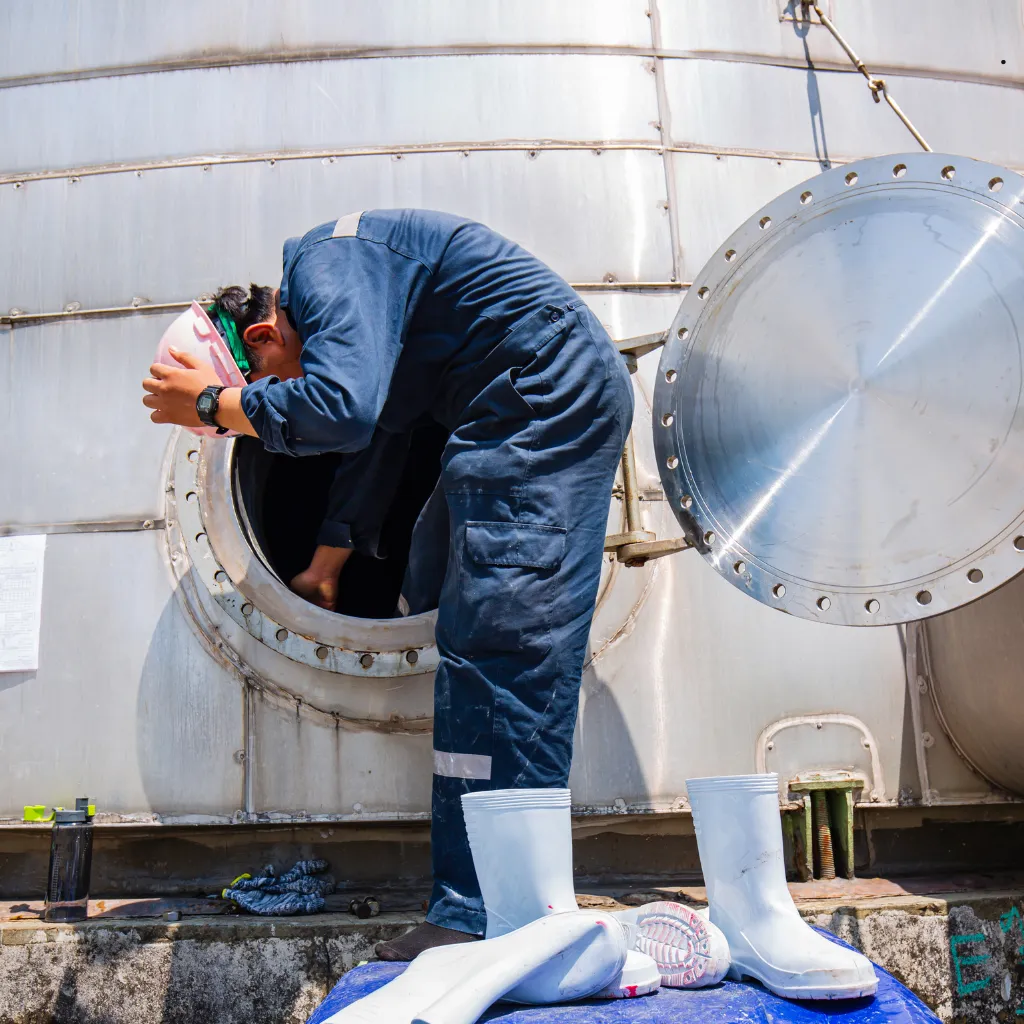
The OSHAA 30-Hours Professional Diploma in Confined Space Safety is a specialized occupational health and safety training program designed to equip professionals with the critical knowledge required to identify, assess, and control hazards in confined space environments. Confined spaces such as tanks, silos, tunnels, sewers, and underground chambers present serious risks including toxic atmospheres, oxygen deficiency, engulfment, and restricted access, making structured safety training essential across multiple industries.
This comprehensive diploma provides in-depth coverage of confined space hazard recognition, risk assessment procedures, permit-to-work systems, atmospheric testing, ventilation requirements, and emergency rescue planning. Learners will gain practical understanding of safe entry procedures, use of personal protective equipment (PPE), communication protocols, and legal compliance standards. .
Designed for construction workers, maintenance personnel, engineers, safety officers, and industrial workers, this qualification enhances confined space awareness and operational competence. Upon completion, learners will be able to identify confined space hazards, implement effective control measures, support safe entry operations, and contribute to improved workplace safety performance and regulatory compliance across high-risk industries.
Course Overview
Awarding Body
OSHAA
Duration
30-Hours
Study Mode
Online
Assessment
Assessment Based
Study Units
- Introduction to Confined Space Safety
- Hazard Recognition and Risk Assessment
- Confined Space Entry Permit Systems
- Atmospheric Testing and Monitoring
- Confined Space Equipment and Personal Protective Equipment (PPE)
- Rescue and Emergency Response Procedures
- Confined Space Safety Program Development
- Legal and Regulatory Responsibilities

Entry Requirements
- Minimum Age: Learners must be 18 years or above.
- Educational Background: Basic secondary education is recommended; no advanced qualifications are required.
- Language Proficiency: A basic understanding of English is required to understand safety instructions and training content.
- Work Experience: No prior confined space experience is required, although exposure to construction, maintenance, utilities, or industrial environments is beneficial.
Who Can Enroll
This course is designed for individuals who work in or supervise high-risk environments involving confined spaces.
- Construction and civil engineering workers
- Maintenance and repair technicians
- Industrial and manufacturing workers
- Health and safety officers and supervisors
- Utility and wastewater workers
- Oil, gas, and energy sector personnel
- Facility and operations managers
- Individuals seeking careers in occupational safety or industrial operations
Course Learning Outcomes
Introduction to Confined Space Safety
- Gain a clear understanding of what constitutes a confined space and why these environments present significant risks
- Learn the essential principles of confined space safety and how they integrate with OSHA regulations
- Develop awareness of the potential hazards that can arise and the importance of proactive safety management
- Acquire foundational knowledge that prepares learners for advanced confined space operations
- Build the skills to recognize and respond to confined space challenges effectively
Hazard Recognition and Risk Assessment
- Identify physical, chemical, and environmental hazards specific to confined spaces
- Master risk assessment techniques to evaluate hazards before, during, and after confined space entry
- Learn to apply control measures that minimize risks and ensure compliance with workplace safety standards
- Strengthen analytical skills to anticipate hazards and take preventive action
- Enhance workplace safety through proactive hazard management
Confined Space Entry Permit Systems
- Understand the role of permit systems in controlling confined space operations
- Learn how to prepare, issue, and manage entry permits in compliance with OSHA guidelines
- Develop the ability to verify conditions before entry and ensure that all safety measures are met
- Enhance accountability and traceability in confined space operations through effective permit management
- Promote a structured and compliant approach to confined space entry
Atmospheric Testing and Monitoring
- Gain proficiency in using atmospheric testing equipment to detect toxic, flammable, and oxygen-deficient environments
- Learn the sequence and importance of pre-entry and continuous monitoring
- Understand how to interpret readings and take corrective actions when hazardous conditions are detected
- Apply OSHA standards to ensure atmospheric safety during all confined space work
- Develop the skills to maintain safe working conditions in hazardous environments
Confined Space Equipment and Personal Protective Equipment (PPE)
- Learn about the selection, inspection, and maintenance of confined space safety equipment
- Understand the correct use of personal protective equipment, including respiratory protection, harnesses, and protective clothing
- Gain the ability to match specific equipment to different confined space hazards
- Develop confidence in implementing equipment protocols that meet OSHA compliance requirements
- Ensure worker safety through proper equipment selection and usage
Rescue and Emergency Response Procedures
- Acquire knowledge of OSHA-compliant confined space rescue plans and procedures
- Learn how to organize and execute safe and effective rescue operations
- Understand the roles and responsibilities of standby personnel and emergency responders
- Build practical skills that ensure preparedness for emergencies, minimizing risk to both workers and rescuers
- Promote a rapid, coordinated response to confined space incidents
Confined Space Safety Program Development
- Develop the ability to design and implement a comprehensive confined space safety program
- Learn how to integrate policies, training, and procedures that align with OSHA regulations
- Understand how to monitor program effectiveness and drive continuous improvement
- Gain leadership skills to foster a culture of safety within organizations
- Build long-term safety strategies for ongoing risk mitigation
Legal and Regulatory Responsibilities
- Understand the legal implications of confined space incidents and the importance of compliance
- Learn about OSHA standards, international regulations, and employer responsibilities
- Gain the ability to align workplace practices with regulatory frameworks to avoid penalties
- Strengthen professional accountability by ensuring adherence to legal and ethical obligations
- Ensure organizational compliance while protecting workers and minimizing liability