
OSHAA 30-Hours Professional Diploma in Emergency Response Drone Pilot
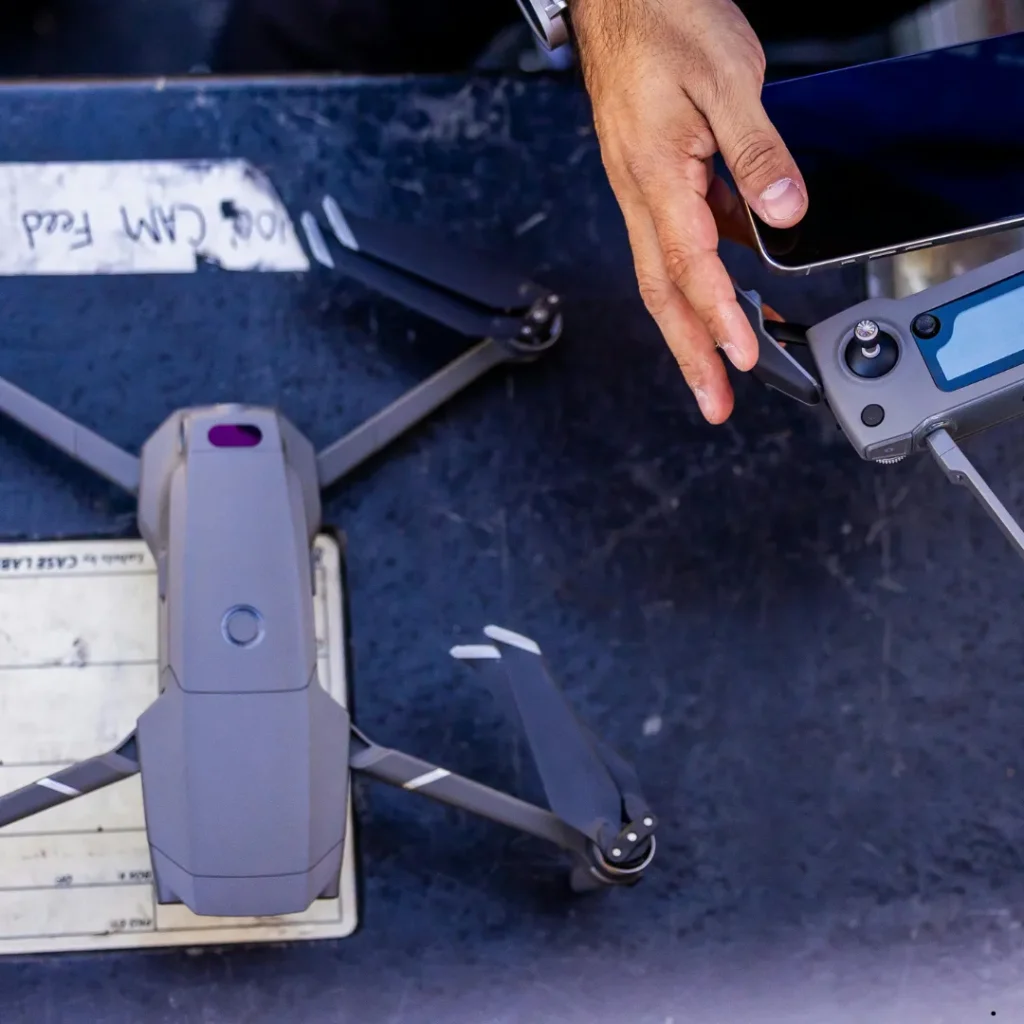
The OSHAA 30-Hours Professional Diploma in Emergency Response Drone Pilot is a specialized programme designed to prepare learners with the essential skills and knowledge required to operate drones in emergency response scenarios. This diploma emphasizes practical training, situational awareness, and confidence-building, ensuring participants are equipped to deploy drones effectively during search and rescue operations, disaster management, and public safety missions. Over thirty hours of structured study, learners will gain a strong foundation in drone piloting, aerial surveillance, and emergency coordination protocols.
The course covers a wide range of topics including drone flight operations, aerial mapping, search and rescue applications, risk assessment, and communication with emergency services. Learners will engage in scenario-based training that replicates real-life emergencies, helping them practice decision-making and problem-solving under pressure. The programme also highlights the importance of teamwork, compliance with aviation safety standards, and adapting drone operations to diverse environments such as urban areas, forests, and coastal regions.
This diploma is suitable for individuals seeking to work in emergency response, disaster relief, and public safety roles. It is designed to be accessible to learners with varying levels of prior experience, ensuring that everyone leaves with the competence to provide safe and effective drone support. By the end of the programme, participants will have developed the technical skills, situational awareness, and leadership qualities needed to respond responsibly to emergencies, making them valuable contributors to safer communities and more efficient emergency operations.
Course Overview
Awarding Body
OSHAA
Duration
30-Hours
Study Mood
Online
Assessment
Assignments Based
Course Study Units
- Introduction to Emergency Response Drone Operations and Roles (3 Hours)
- Basics of Drone Technology and Components (3 Hours)
- Drone Flight Regulations and Compliance (4 Hours)
- Pre-Flight Planning and Safety Protocols (3 Hours)
- Drone Flight Techniques and Controls (4 Hours)
- Aerial Imaging and Data Collection Methods (3 Hours)
- Emergency Response Applications and Mission Planning (4 Hours)
- Communication and Coordination with Emergency Teams (4 Hours)
- Data Analysis and Reporting for Emergency Situations (2 Hours)

Entry Requirements
Who Can Enroll
The ideal learner is someone who wishes to strengthen their ability to operate drones effectively in high-pressure emergency scenarios.
- Emergency response professionals
- Search and rescue team members
- Disaster relief coordinators
- Public safety officers and security staff
- Community volunteers supporting emergency operations
- Drone enthusiasts seeking specialized emergency response training
Course Learning Outcomes
Introduction to Emergency Response Drone Operations and Roles (3 Hours)
- Understand the role of drones in emergency response operations
- Identify key responsibilities of drone pilots within emergency teams
- Recognise the impact of drone technology on public safety and rescue efforts
Basics of Drone Technology and Components (3 Hours)
- Explain the fundamental components and functions of drones
- Understand different types of drones used in emergency contexts
- Demonstrate basic knowledge of drone system operations and maintenance
Drone Flight Regulations and Compliance (4 Hours)
- Understand relevant national and international drone flight regulations
- Comply with legal requirements and safety standards for drone operation
- Identify no-fly zones and restrictions applicable to emergency drone use
Pre-Flight Planning and Safety Protocols (3 Hours)
- Conduct thorough pre-flight checks and risk assessments
- Develop effective flight plans tailored to emergency response missions
- Implement safety protocols to mitigate operational risks
Drone Flight Techniques and Controls (4 Hours)
- Demonstrate proficient control of drones in various flight conditions
- Apply advanced manoeuvring and navigation skills during missions
- Handle emergency scenarios and unexpected flight challenges confidently
Aerial Imaging and Data Collection Methods (3 Hours)
- Operate drone-mounted cameras and sensors for data capture
- Apply best practices for aerial imaging in emergency environments
- Understand data collection techniques to support situational analysis
Emergency Response Applications and Mission Planning (4 Hours)
- Develop mission plans addressing specific emergency scenarios
- Integrate drone operations with broader emergency response strategies
- Adapt drone usage to diverse emergency contexts such as search and rescue or damage assessment
Communication and Coordination with Emergency Teams (4 Hours)
- Apply effective communication protocols with multi-disciplinary teams
- Coordinate drone operations to support emergency response efforts
- Facilitate information sharing and collaboration during missions
Data Analysis and Reporting for Emergency Situations (2 Hours)
- Analyse aerial data to generate actionable insights
- Prepare comprehensive reports for emergency response documentation
- Use data outputs to improve ongoing and future emergency operations