OSHAA 30-Hours Professional Diploma in Fire Protection and Prevention Training
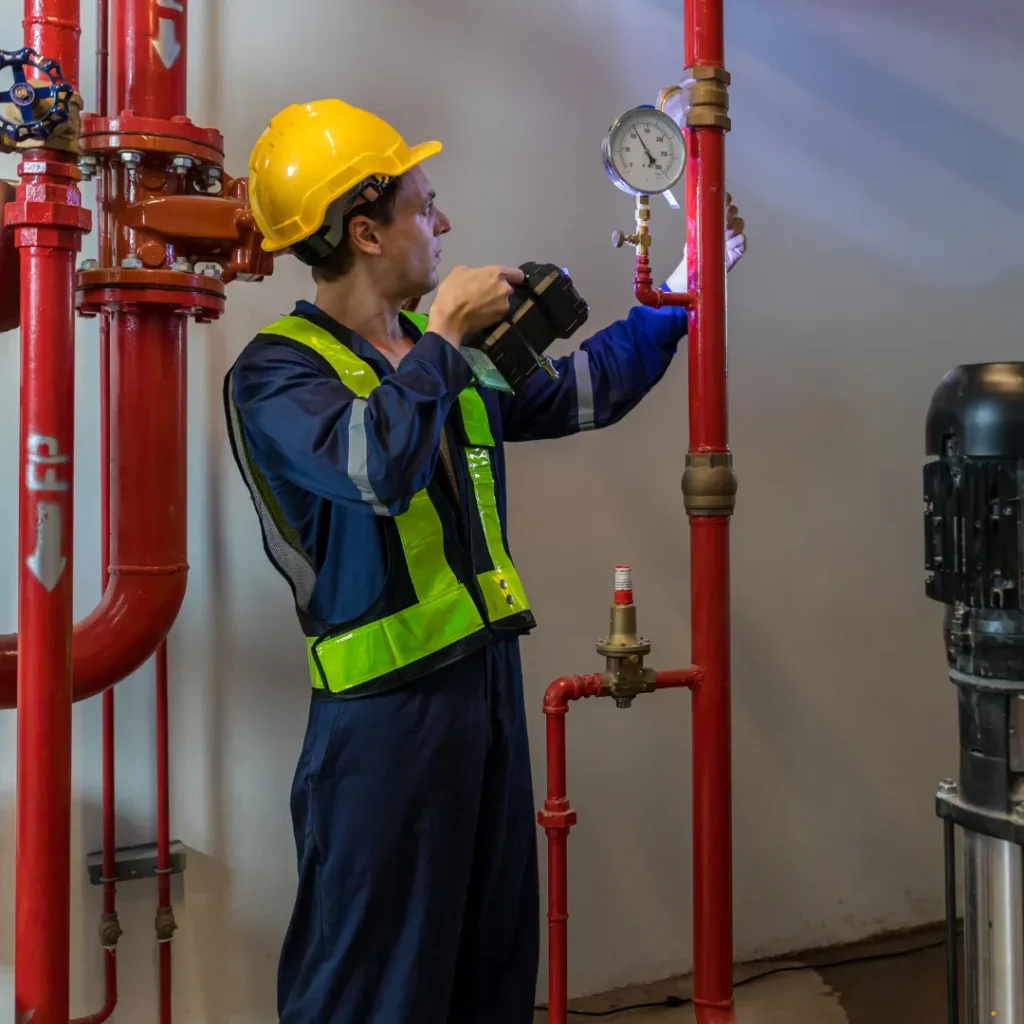
The OSHAA 30-Hours Professional Diploma in Fire Protection and Prevention Training is a specialized program designed to provide essential knowledge about fire safety in the workplace. Its purpose is to help learners understand fire risks, prevention strategies, and emergency response procedures. The course is structured in clear, easy-to-follow modules, making it suitable for both beginners and professionals who want to strengthen their fire safety awareness. By the end of the program, participants will have a strong foundation in fire protection practices that can be applied in real work environments.
One of the main benefits of this diploma is that it equips learners with practical skills to prevent fire hazards and respond effectively during emergencies. The training improves awareness of safety procedures, helping organizations reduce risks and protect employees. Learners gain confidence in applying fire prevention measures, using safety equipment correctly, and ensuring compliance with workplace standards. This knowledge not only safeguards lives but also supports businesses in maintaining a safe and productive environment.
Completing this program enhances career opportunities by demonstrating a commitment to workplace safety and responsibility. Employers value professionals who can actively contribute to fire prevention and emergency preparedness. The diploma also helps organizations build a strong safety culture, where employees feel secure and protected. Ultimately, this training is an investment in both personal growth and organizational success, making it a valuable choice for anyone interested in fire safety and prevention.
Course Overview
Awarding Body
OSHAA
Duration
30-Hours
Study Mood
Online
Assessment
Assignments Based
Course Study Units
- Introduction to Fire Protection and Prevention (2 Hours)
- Fire Risk Assessment and Hazard Identification (5 Hours)
- Fire Prevention Strategies (5 Hours)
- Fire Detection and Alarm Systems (4 Hours)
- Firefighting Techniques and Equipment (3 Hours)
- Emergency Response and Evacuation Planning (4 Hours)
- Legal Requirements and Fire Safety Regulations (4 Hours)
- Dealing with Fire Emergencies (3 Hours)

Entry Requirements
Who Can Enroll
This diploma is designed for individuals who are motivated to improve their knowledge of fire safety and prevention, and who want to apply practical skills to create safer workplaces.
- Individuals aged 18 or above
- Learners with a basic education background
- Employees working in industries such as construction, healthcare, manufacturing, or office settings
- Professionals aiming to strengthen fire safety and prevention knowledge
- Job seekers looking to add valuable safety skills to their profile
- Anyone interested in promoting workplace safety and emergency preparedness
Course Learning Outcomes
Introduction to Fire Protection and Prevention (2 Hours)
- Understand the basic principles of fire protection and prevention
- Recognise the importance of fire safety in the workplace and its impact on overall health and safety
- Identify the roles and responsibilities of fire safety personnel within an organisation
- Gain knowledge of essential fire protection terminology and core concepts
Fire Risk Assessment and Hazard Identification (5 Hours)
- Learn how to conduct a comprehensive fire risk assessment
- Identify potential fire hazards across different workplace environments
- Evaluate the level of risk associated with identified fire hazards
- Implement effective control measures to reduce fire-related risks
- Develop procedures for reviewing and updating fire risk assessments regularly
Fire Prevention Strategies (5 Hours)
- Understand key methods and strategies for preventing workplace fires
- Learn the use of fire-resistant materials and safe construction techniques
- Recognise the importance of regular inspection and maintenance of fire safety equipment
- Apply safe working practices to minimise the likelihood of fire incidents
- Promote employee awareness and adherence to fire prevention practices
Fire Detection and Alarm Systems (4 Hours)
- Understand the different types of fire detection systems and their functions
- Learn the components and operation of fire alarm systems, including smoke and heat detectors
- Ensure correct installation, inspection, and maintenance of detection systems
- Assess and test the effectiveness of fire alarms and detection equipment
Firefighting Techniques and Equipment (3 Hours)
- Gain practical knowledge of firefighting equipment such as extinguishers, hoses, and fire blankets
- Learn correct extinguisher use based on different classes of fire
- Understand proper maintenance, inspection, and storage of firefighting equipment
- Develop skills to safely control and extinguish small fires
Emergency Response and Evacuation Planning (4 Hours)
- Learn how to develop and implement effective fire emergency response plans
- Understand evacuation procedures and ensure clearly marked, safe exit routes
- Identify the roles of fire marshals and emergency response teams during evacuations
- Practice coordination with emergency services during fire incidents
- Communicate emergency procedures clearly to employees and visitors
Legal Requirements and Fire Safety Regulations (4 Hours)
- Understand key fire safety legal requirements under UK law, including the Regulatory Reform (Fire Safety) Order 2005
- Learn the responsibilities of employers and employees in maintaining fire safety
- Develop a compliant fire safety policy aligned with legal standards
- Understand the consequences and penalties of non-compliance with fire safety regulations
Dealing with Fire Emergencies (3 Hours)
- Learn appropriate actions to take during a fire emergency
- Understand how to assess risks and make safe decisions during fire situations
- Coordinate effectively with emergency services to manage fire incidents
- Apply post-fire procedures and report incidents accurately to improve future safety performanc