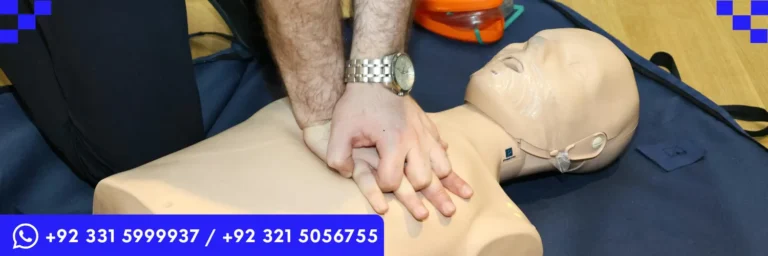
OSHAA 30-Hours Professional Diploma in First Aid Procedures in the Workplace
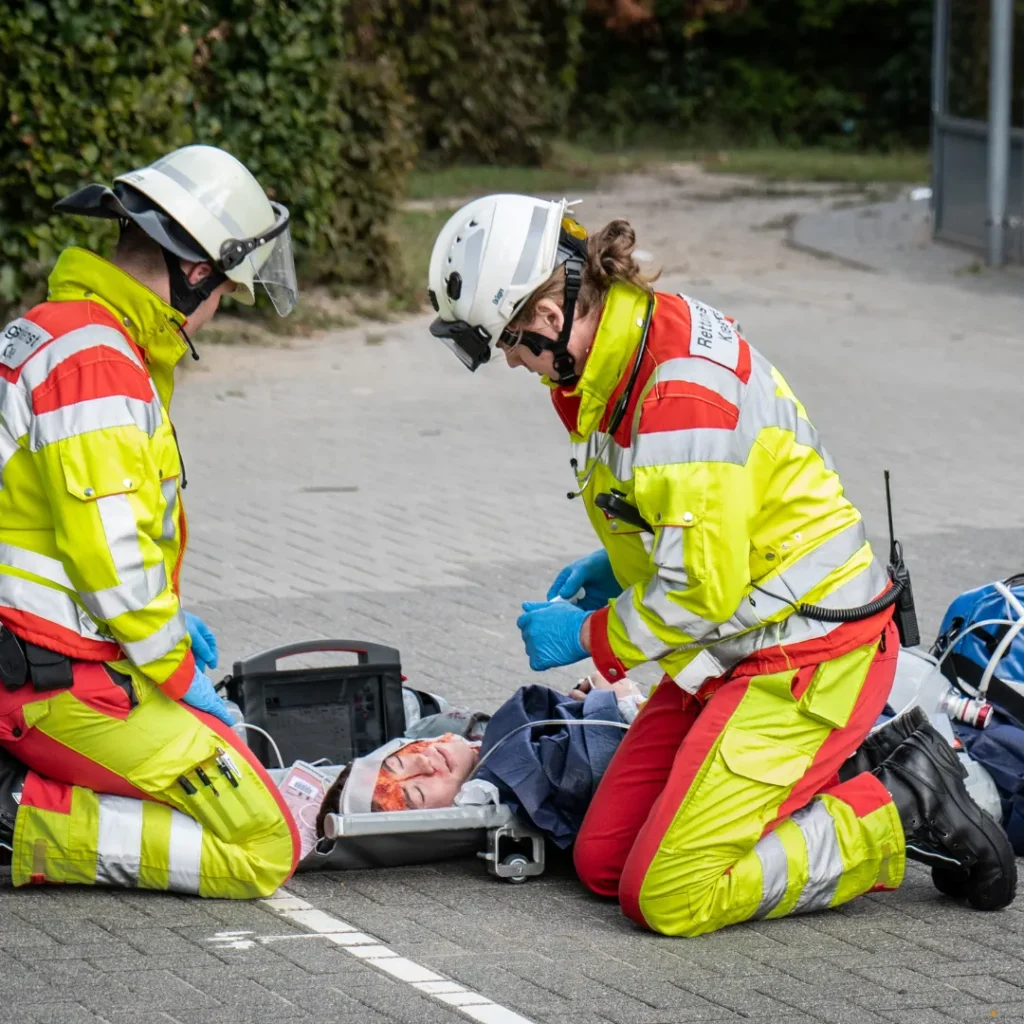
The OSHAA 30‑Hours Professional Diploma in First Aid Procedures in the Workplace is a comprehensive training program designed to equip learners with practical knowledge and confidence to respond effectively to medical emergencies in professional environments. It focuses on essential areas such as immediate care for injuries, safe use of first aid equipment, and clear communication during critical situations. The purpose of this diploma is to prepare individuals to act quickly and responsibly, ensuring the health and safety of colleagues while fostering a culture of preparedness and care across workplaces.
Enrolling in this course provides learners with a wide range of benefits that go beyond basic first aid awareness. Participants receive step‑by‑step guidance on managing common workplace incidents such as cuts, burns, falls, and sudden illnesses. The training also emphasizes risk awareness, helping learners identify potential hazards before they escalate into emergencies. By mastering these procedures, individuals not only reduce the impact of accidents but also contribute to smoother workplace operations, improved safety standards, and greater employee confidence in their ability to handle unexpected situations.
Beyond technical skills, the diploma also focuses on personal development by building responsibility, discipline, and leadership qualities. First aid training is not just about treating injuries—it is about creating a supportive environment where employees feel secure and valued. Completing the diploma ensures participants are well‑prepared to respond effectively to emergencies, protect lives, and promote a safer, more resilient workplace culture that benefits both individuals and organizations.
Course Overview
Awarding Body
OSHAA
Duration
30-Hours
Study Mood
Online
Assessment
Assignments Based
Course Study Units
- Introduction to First Aid Principles and Legal Requirements (3 hours)
- Primary Survey and Casualty Assessment Techniques (3 hours)
- CPR and AED Operation for Adult Casualties (4 hours)
- Managing Unconscious Casualties and Recovery Position (3 hours)
- Treatment of Bleeding, Burns, and Fractures (6 hours)
- First Aid for Choking, Shock, and Severe Allergic Reactions (5 hours)
- Recognising and Responding to Medical Conditions (3 hours)
- Mental Health First Aid and Emotional Crisis Response (3 hours)

Entry Requirements
Who Can Enroll
This diploma is designed for individuals who want to strengthen their knowledge and skills in first aid procedures, ensuring safer and more prepared workplaces.
- Learners interested in workplace safety and emergency response
- People working in offices, factories, healthcare, or service industries
- Individuals aiming to improve compliance and safety culture
- Professionals seeking practical knowledge of first aid techniques
- Those who want globally applicable safety skills
Course Learning Outcomes
Introduction to First Aid Principles and Legal Requirements (3 hours)
- Understand the core principles of first aid and their application in workplace settings
- Recognise legal responsibilities, including the Health and Safety (First-Aid) Regulations 1981
- Identify the contents and maintenance of a workplace first aid kit
- Understand the importance of consent, confidentiality, and accurate incident reporting
Primary Survey and Casualty Assessment Techniques (3 hours)
- Conduct a primary survey using the DRABC approach
- Identify life-threatening conditions quickly and effectively
- Assess the casualty’s level of consciousness and breathing
- Prioritise actions based on severity and urgency
CPR and AED Operation for Adult Casualties (4 hours)
- Perform high-quality chest compressions and rescue breaths
- Understand the chain of survival and its importance in cardiac emergencies
- Operate an Automated External Defibrillator (AED) safely and confidently
- Manage situations involving sudden cardiac arrest in the workplace
Managing Unconscious Casualties and Recovery Position (3 hours)
- Recognise the signs of unconsciousness and assess breathing status
- Place a casualty in the recovery position correctly and safely
- Monitor vital signs until emergency services arrive
- Minimise risks of airway obstruction and further injury
Treatment of Bleeding, Burns, and Fractures (6 hours)
- Control external bleeding using appropriate techniques and dressings
- Identify types of burns and apply correct first aid procedures
- Recognise signs of fractures, sprains, and dislocations
- Provide effective immobilisation and support for musculoskeletal injuries
First Aid for Choking, Shock, and Severe Allergic Reactions (5 hours)
- Perform back blows and abdominal thrusts for choking casualties
- Recognise and manage different types of shock, including hypovolaemic and anaphylactic
- Administer first aid for severe allergic reactions, including the use of auto-injectors
- Understand the importance of early intervention and emergency escalation
Recognising and Responding to Medical Conditions (3 hours)
- Identify symptoms of common medical conditions such as asthma, diabetes, epilepsy, and stroke
- Provide first aid support tailored to each condition
- Recognise when emergency medical help is required
- Understand how to provide reassurance and monitor the casualty effectively
Mental Health First Aid and Emotional Crisis Response (3 hours)
- Recognise signs of stress, anxiety, panic attacks, and emotional distress
- Offer appropriate immediate support in mental health-related crises
- Understand basic mental health first aid principles
- Signpost to professional help while maintaining a supportive workplace environment