OSHAA 30-Hours Professional Diploma in National Rescue for Swimming Teachers and Coaches LIGHT (NRASTC LIGHT)
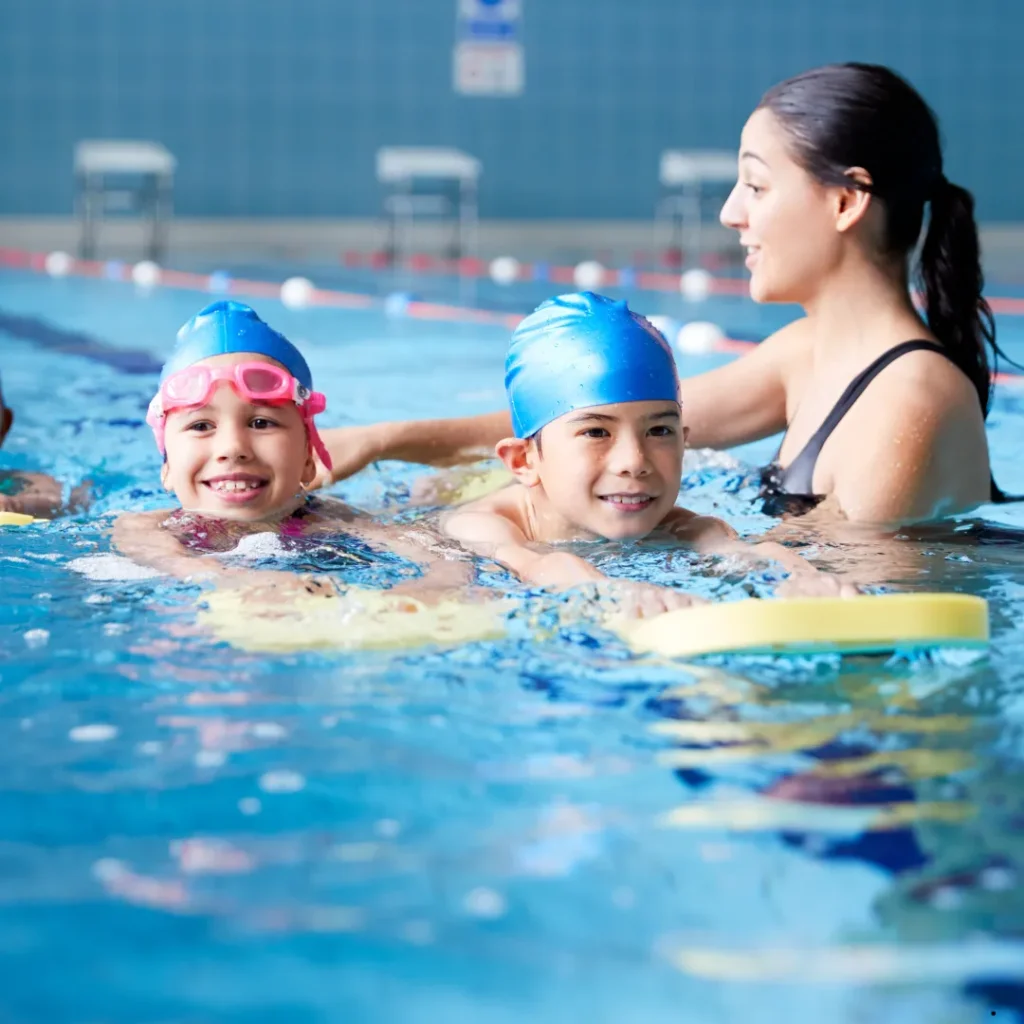
The OSHAA 30-Hours Professional Diploma in National Rescue for Swimming Teachers and Coaches LIGHT (NRASTC LIGHT) is a specialized programme designed to provide swimming teachers, coaches, and aquatic staff with the essential skills to respond effectively to poolside emergencies. This diploma emphasizes practical training, situational awareness, and confidence-building, ensuring participants are prepared to act quickly and responsibly when accidents or health-related incidents occur in swimming pool environments.
The course explores a wide range of topics including drowning prevention, poolside rescue methods, CPR and first aid, spinal injury management, and risk assessment in aquatic facilities. Learners will engage in scenario-based training that replicates real-life emergencies, helping them practice decision-making and problem-solving under pressure. The programme also highlights the importance of teamwork, communication with emergency services, and adapting rescue techniques to pool-specific environments. By combining classroom instruction with practical demonstrations, participants develop the ability to remain calm and effective in urgent situations where lives are at risk.
This diploma is suitable for individuals working in swimming instruction, coaching, and aquatic supervision roles. It is designed to be accessible to learners with varying levels of prior experience, ensuring that everyone leaves with the competence to provide safe and effective emergency rescue support. By the end of the programme, participants will have developed the technical skills, situational awareness, and leadership qualities needed to respond responsibly to emergencies, making them valuable contributors to safer swimming lessons, training sessions, and aquatic facilities.
Course Overview
Awarding Body
OSHAA
Duration
30-Hours
Study Mood
Online
Assessment
Assignments Based
Course Study Units
- Introduction to the Role of Swimming Teachers and Coaches in Light Aquatic Rescue (3 Hours)
- Basic Principles of Pool Safety and Risk Management (3 Hours)
- Identifying and Preventing Hazards in Controlled Aquatic Environments (4 Hours)
- Fundamental Rescue Techniques for Swimming Teachers and Coaches (5 Hours)
- Casualty Recognition and Immediate Response Procedures (3 Hours)
- Basic Spinal Injury Awareness and Management (4 Hours)
- Effective Communication and Teamwork in Pool Rescue Situations (3 Hours)
- Post-Rescue Care and Reporting Procedures (3 Hours)
- Legal and Ethical Considerations in Aquatic Rescue (2 Hours)

Entry Requirements
Who Can Enroll
This course is designed for individuals who want to strengthen their ability to respond to emergencies in swimming pool environments.
- Swimming teachers
- Aquatic coaches
- Leisure center staff
- Community volunteers in water safety
- Sports and recreation professionals
- Poolside supervisors
Course Learning Outcomes
Introduction to the Role of Swimming Teachers and Coaches in Light Aquatic Rescue (3 Hours)
- Understand the specific responsibilities of swimming teachers and coaches in light rescue scenarios
- Recognise the importance of their role in maintaining aquatic safety
- Identify key rescue skills relevant to controlled pool environments
Basic Principles of Pool Safety and Risk Management (3 Hours)
- Apply fundamental safety concepts to pool environments
- Conduct basic risk assessments to identify potential hazards
- Implement effective strategies to minimise risks during aquatic activities
Identifying and Preventing Hazards in Controlled Aquatic Environments (4 Hours)
- Identify common hazards specific to controlled pool settings
- Develop and apply preventive measures to ensure participant safety
- Maintain a safe aquatic environment through proactive hazard management
Fundamental Rescue Techniques for Swimming Teachers and Coaches (5 Hours)
- Demonstrate essential rescue skills suitable for light aquatic rescue situations
- Execute safe and effective casualty extrication and water rescue techniques
- Adapt rescue methods based on situational needs and casualty condition
Casualty Recognition and Immediate Response Procedures (3 Hours)
- Identify signs of distress and injury in aquatic casualties
- Perform immediate response actions to stabilise casualties
- Prioritise interventions according to casualty severity and urgency
Basic Spinal Injury Awareness and Management (4 Hours)
- Recognise potential spinal injuries in pool-based emergencies
- Apply fundamental spinal injury management techniques
- Minimise risk of further harm during casualty handling and extraction
Effective Communication and Teamwork in Pool Rescue Situations (3 Hours)
- Communicate clearly and efficiently during rescue operations
- Collaborate effectively with team members for coordinated responses
- Engage emergency services appropriately during incidents
Post-Rescue Care and Reporting Procedures (3 Hours)
- Provide appropriate aftercare to rescued individuals
- Complete accurate and timely incident reports
- Reflect on rescue incidents to support ongoing safety improvements
Legal and Ethical Considerations in Aquatic Rescue (2 Hours)
- Understand relevant legal requirements and ethical principles in aquatic rescue
- Apply professional standards and maintain confidentiality during rescue situations
- Make informed decisions aligned with legal and ethical frameworks