OSHAA 30-Hours Professional Diploma in Paediatric First Aid (PFA)
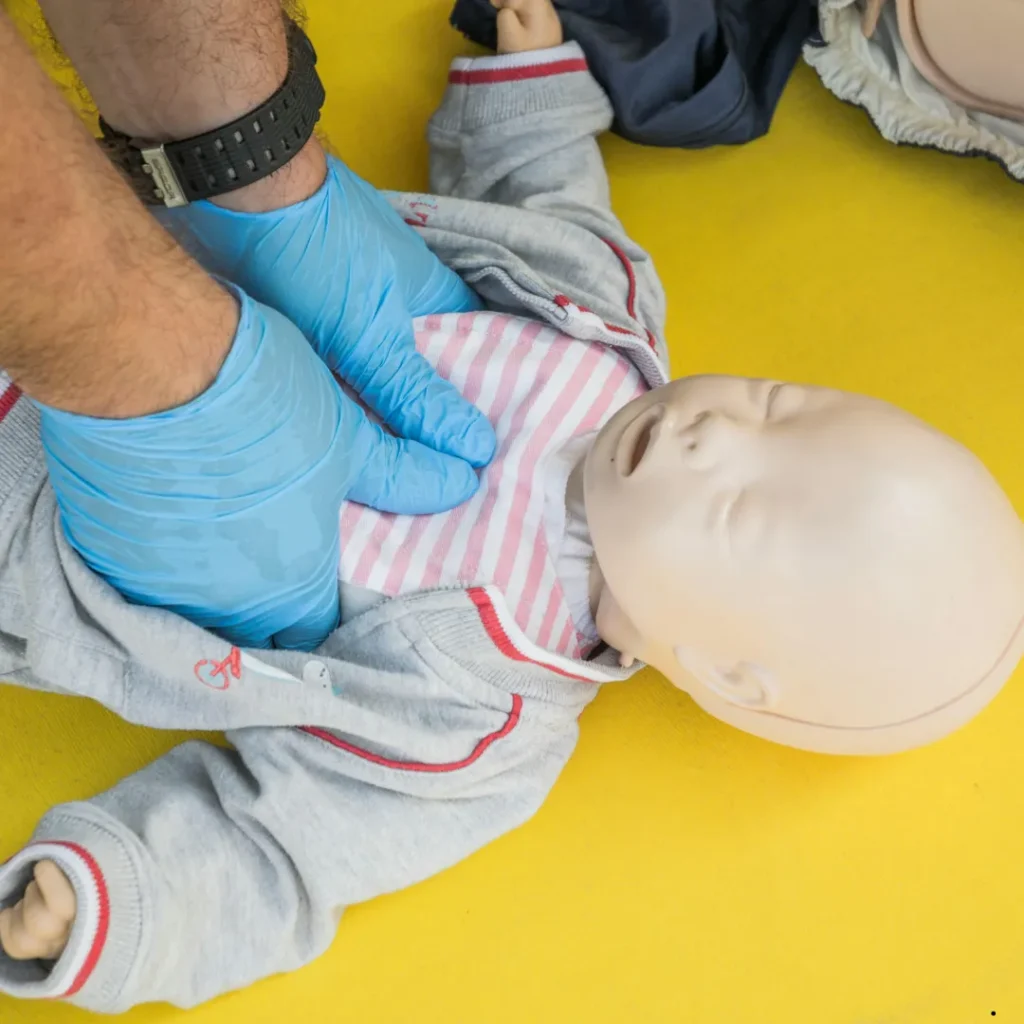
The OSHAA 30-Hours Professional Diploma in Paediatric First Aid (PFA) is a structured programme designed to provide learners with the essential skills and knowledge to respond effectively to medical emergencies involving infants and children. This diploma emphasizes practical training and confidence-building, ensuring participants are prepared to act quickly and responsibly in childcare, educational, and community settings. Over thirty hours of guided study, learners will gain a strong foundation in paediatric first aid, covering both common and critical emergencies.
The course explores a wide range of topics including CPR for infants and children, choking management, allergic reactions, burns, fractures, and wound care. Learners will engage in scenario-based training that replicates real-life emergencies, helping them practice decision-making and problem-solving under pressure. The programme also highlights the importance of communication with emergency services, teamwork during critical incidents, and adapting first aid techniques to suit the unique needs of children. By combining classroom instruction with practical demonstrations, participants develop the ability to remain calm and effective in urgent situations.
This diploma is suitable for individuals working in childcare, education, healthcare, and community roles, as well as parents and caregivers who wish to enhance their emergency response skills. It is designed to be accessible to learners with varying levels of prior experience, ensuring that everyone leaves with the competence to provide safe and effective paediatric first aid. By the end of the programme, participants will have developed the technical skills, situational awareness, and leadership qualities needed to respond responsibly to emergencies, making them valuable contributors to safer childcare and educational environments.
Course Overview
Awarding Body
OSHAA
Duration
30-Hours
Study Mood
Online
Assessment
Assignments Based
Course Study Units
- Introduction to Paediatric First Aid and Legal Responsibilities (2 Hours)
- Understanding Child Physiology and Emergency Response Principles (3 Hours)
- Primary Survey, Casualty Assessment, and Recovery Position for Infants and Children (3 Hours)
- Paediatric Cardiopulmonary Resuscitation (CPR) and AED Operation (5 Hours)
- Management of Unconscious Infants and Children (4 Hours)
- Control of Bleeding, Wound Care, and Shock Management in Children (4 Hours)
- First Aid for Burns, Scalds, and Thermal Injuries in Paediatric Cases (4 Hours)
- Managing Fractures, Sprains, and Soft Tissue Injuries in Children (3 Hours)
- Response to Common Paediatric Medical Emergencies: Asthma, Seizures, and Allergic Reactions (2 Hours)

Entry Requirements
Who Can Enroll
This course is designed for individuals who want to strengthen their ability to respond to emergencies involving children.
- Childcare providers and nursery staff
- Teachers and school safety officers
- Healthcare assistants and support staff
- Parents and family caregivers
- Community volunteers and youth workers
- Sports coaches and event organizers
Course Learning Outcomes
Introduction to Paediatric First Aid and Legal Responsibilities (2 Hours)
- Understand the principles and scope of paediatric first aid.
- Recognise the legal and ethical responsibilities of providing first aid to children.
- Identify the importance of accurate record-keeping and incident reporting.
Understanding Child Physiology and Emergency Response Principles (3 Hours)
- Understand key differences between adult and child anatomy and physiology.
- Recognise signs of medical distress in infants and children.
- Apply basic emergency response protocols tailored to paediatric needs.
Primary Survey, Casualty Assessment, and Recovery Position for Infants and Children (3 Hours)
- Conduct a structured primary survey for paediatric emergencies.
- Perform an effective casualty assessment to identify priorities for care.
- Demonstrate correct techniques for placing infants and children in the recovery position.
Paediatric Cardiopulmonary Resuscitation (CPR) and AED Operation (5 Hours)
- Demonstrate paediatric-specific CPR techniques for infants and children.
- Safely operate an Automated External Defibrillator in paediatric emergencies.
- Integrate CPR and AED use into an effective resuscitation sequence.
Management of Unconscious Infants and Children (4 Hours)
- Identify causes of unconsciousness in paediatric cases.
- Apply safe handling techniques to maintain airway and breathing.
- Implement appropriate care while awaiting advanced medical support.
Control of Bleeding, Wound Care, and Shock Management in Children (4 Hours)
- Identify different types of bleeding in paediatric patients.
- Apply correct first aid techniques for wound cleaning and dressing.
- Recognise and manage signs of shock in children effectively.
First Aid for Burns, Scalds, and Thermal Injuries in Paediatric Cases (4 Hours)
- Distinguish between different degrees of burns in children.
- Apply immediate and effective treatment for burns and scalds.
- Understand when to seek urgent medical care for burn injuries.
Managing Fractures, Sprains, and Soft Tissue Injuries in Children (3 Hours)
- Identify common musculoskeletal injuries in paediatric patients.
- Apply safe immobilisation techniques for fractures and sprains.
- Provide appropriate first aid to minimise further injury.
Response to Common Paediatric Medical Emergencies: Asthma, Seizures, and Allergic Reactions (2 Hours)
- Recognise symptoms of asthma attacks, seizures, and severe allergic reactions.
- Apply correct first aid techniques for each medical emergency.
- Understand the importance of rapid response and escalation of care.