OSHAA 30-Hours Professional Diploma in Safe Manual Handling Skills
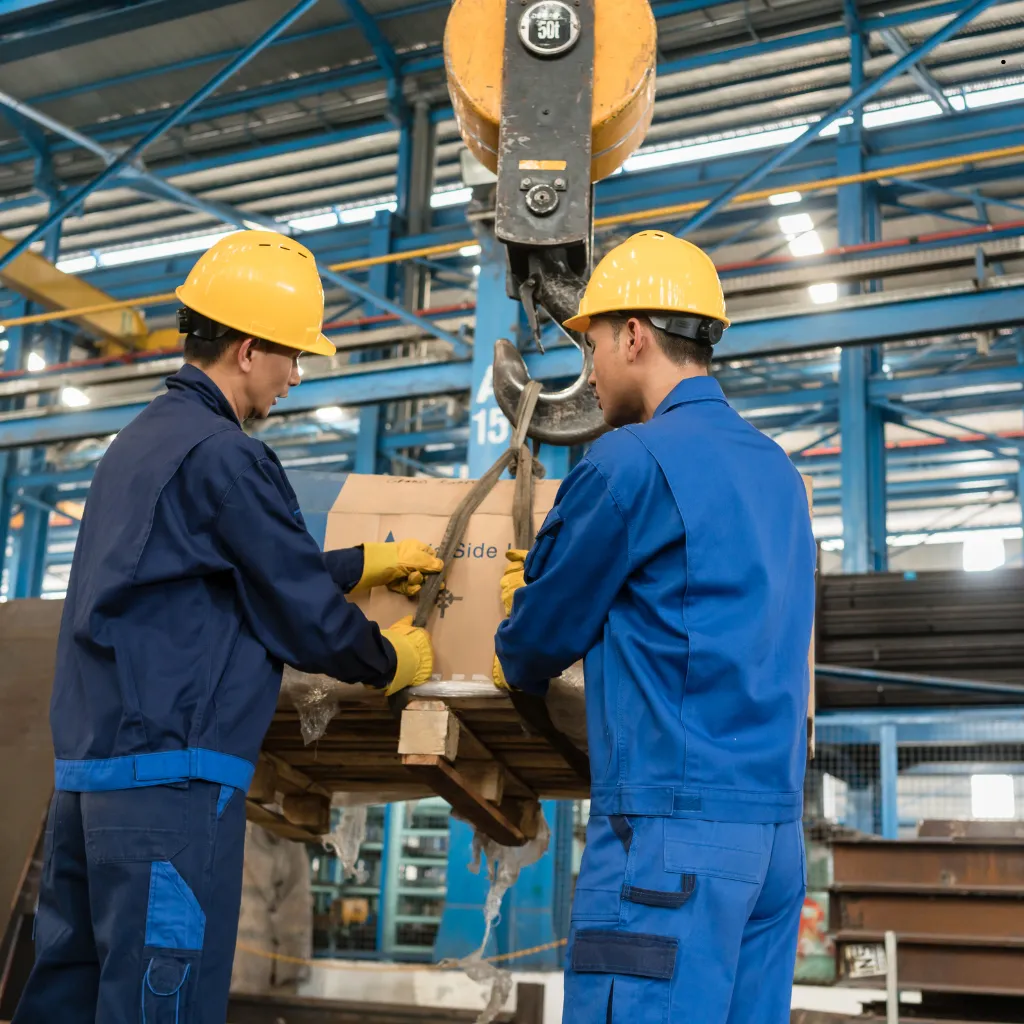
Manual handling is a critical part of daily work in logistics, manufacturing, and healthcare. Every day, workers lift, push, pull, and carry heavy loads. Without proper technique, these movements cause severe back injuries and chronic muscle pain. These physical injuries lead to lost workdays, high medical bills, and lower workplace productivity. Taking care of physical safety during lifting is vital for long-term health.
Modern workplaces move at a fast pace, forcing teams to handle goods quickly. Many warehouse and factory workers do not receive proper training on body movement and mechanics. Most workplace training sessions only give a few basic warnings about bending knees. They fail to teach the exact physical methods needed to move varied weights safely in tight spaces.
The OSHAA 30-Hours Professional Diploma in Safe Manual Handling Skills directly solves this training problem. This course gives learners specific, hands-on techniques to move materials safely. Participants learn how to assess the weight of objects and use lifting mechanical aids properly. The training turns difficult ergonomic science into clear, daily movements for the job.
Learners finish the program ready to reduce injury rates in their companies. They gain the practical skills needed to analyze lifting risks and teach team members safe habits. This professional diploma proves a worker understands how to protect their body while handling heavy loads. It prepares safety leaders to build a healthier and more efficient workforce.
Course Overview
Awarding Body
OSHAA
Duration
30-Hours
Study Mode
Online
Assessment
Assignment Based
Course Study Units
- Introduction to Manual Handling and Associated Risks (2 Hours)
- Principles of Safe Manual Handling (3 Hours)
- Techniques for Lifting, Carrying, Pushing, and Pulling (4 Hours)
- Risk Assessment and Control Measures in Manual Handling (4 Hours)
- Practical Application of Manual Handling Techniques (5 Hours)
- Ergonomics and Body Mechanics in Manual Handling (4 Hours)
- Workplace Adaptations and Equipment for Safe Manual Handling (4 Hours)
- Creating a Safety Culture and Compliance in the Workplace (4 Hours)

Entry Requirements
Who Can Enroll
This course is designed for industrial and logistics professionals who want to improve physical safety standards in their workplaces. It helps current and future leaders gain the practical skills needed to manage heavy lifting environments.
- Warehouse supervisors and logistics coordinators.
- Factory floor workers and production supervisors.
- Construction site foremen and heavy material handlers.
- Healthcare workers, nurses, and patient transfer staff.
- Delivery driver managers and cargo handling supervisors.
- Health and safety officers looking for ergonomic skills.
- Individuals wanting to specialize in workplace ergonomics and injury prevention.
Course Learning Outcomes
Introduction to Manual Handling and Associated Risks (2 Hours)
- Understand the definition and scope of manual handling.
- Identify common risks associated with manual handling tasks.
- Recognise the impact of poor manual handling on health and safety in the workplace.
- Learn the legal requirements and regulations governing manual handling practices.
Principles of Safe Manual Handling (3 Hours)
- Gain knowledge of the key principles for ensuring safe manual handling.
- Understand the role of posture and body alignment in preventing injury.
- Learn how to assess manual handling tasks for potential risks.
- Develop an understanding of the importance of proper lifting techniques.
Techniques for Lifting, Carrying, Pushing, and Pulling (4 Hours)
- Master the correct techniques for lifting, carrying, pushing, and pulling safely.
- Understand the importance of using proper body mechanics during manual handling.
- Learn the appropriate steps to take to reduce strain and prevent injury.
- Recognise when assistance or mechanical aids should be used.
Risk Assessment and Control Measures in Manual Handling (4 Hours)
- Learn how to carry out a risk assessment for manual handling activities.
- Understand the process of identifying hazards and assessing risks.
- Develop strategies to control or eliminate risks in manual handling tasks.
- Understand the significance of control measures such as training, equipment, and organisational procedures.
Practical Application of Manual Handling Techniques (5 Hours)
- Apply the learned principles and techniques in practical scenarios.
- Conduct hands-on exercises to practice safe manual handling.
- Learn how to assess real-life manual handling situations and adjust approaches.
- Gain confidence in performing manual handling tasks safely in various work environments.
Ergonomics and Body Mechanics in Manual Handling (4 Hours)
- Understand the role of ergonomics in reducing strain during manual handling tasks.
- Learn how to implement ergonomic principles to improve workplace safety.
- Explore the importance of body mechanics in preventing musculoskeletal injuries.
- Learn how to adapt tasks and workspaces to reduce injury risk.
Workplace Adaptations and Equipment for Safe Manual Handling (4 Hours)
- Gain knowledge on the use of mechanical aids and equipment to assist manual handling.
- Understand how to make workplace adaptations to support safe practices.
- Learn about different types of lifting aids and when to use them.
- Develop strategies to ensure proper use of manual handling equipment.
Creating a Safety Culture and Compliance in the Workplace (4 Hours)
- Learn how to foster a culture of safety within the workplace.
- Understand the importance of compliance with manual handling regulations and company policies.
- Learn how to communicate safety procedures effectively to staff.
- Develop skills in promoting safety awareness and best practices among employees.