OSHAA 30-Hours Professional Diploma in Technical Ship Management
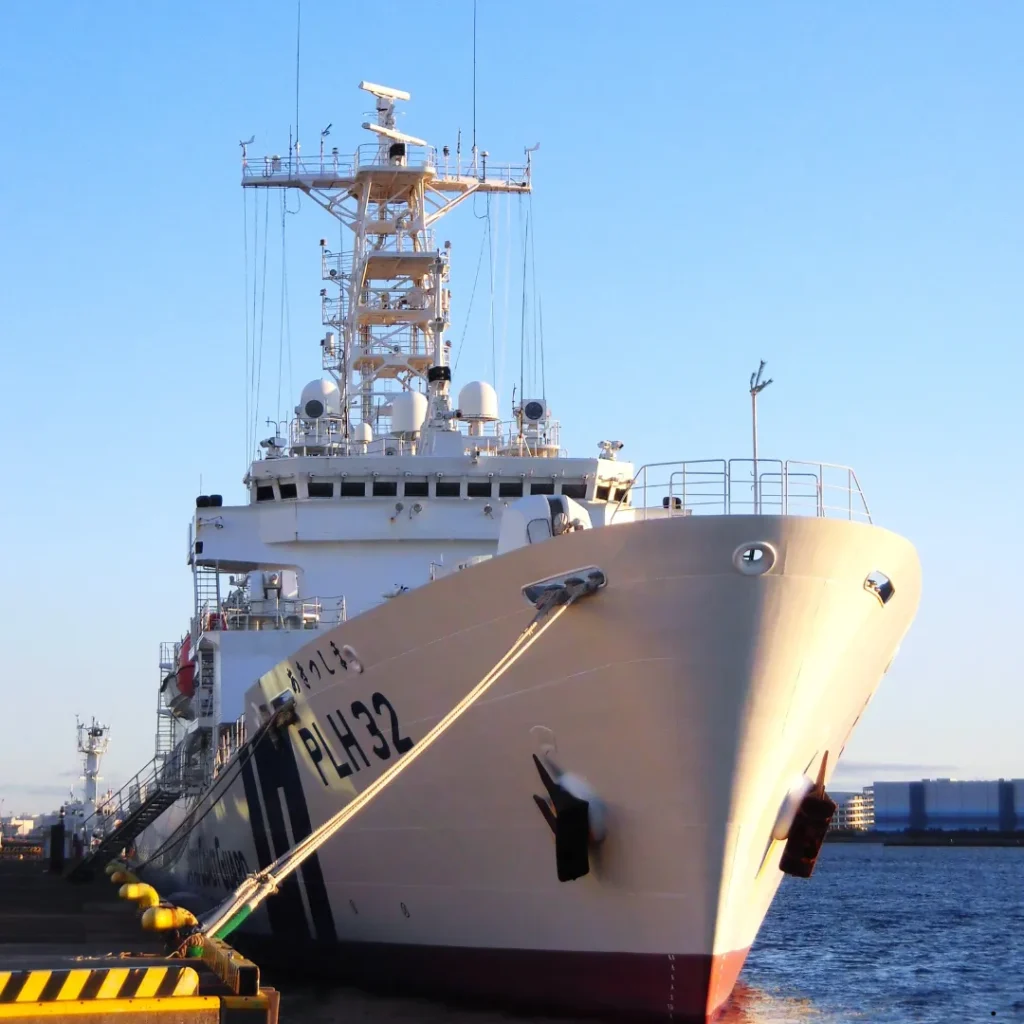
The OSHA 30-Hours Professional Diploma in Technical Ship Management is a specialized program designed to provide learners with the essential knowledge and skills required to oversee the technical and operational aspects of ship management while ensuring compliance with occupational safety standards. Technical ship management is a critical discipline that involves the maintenance, repair, safety, and efficiency of vessels, directly impacting both operational performance and regulatory compliance.
Learners will explore the responsibilities of technical managers and superintendents, including dry-docking, machinery maintenance, safety inspections, and compliance with international frameworks such as SOLAS, MARPOL, and the ISM Code. The program emphasizes occupational safety, risk management, and environmental protection, ensuring participants can create safe and efficient operational environments. By combining technical knowledge with compliance frameworks, the diploma prepares learners to handle challenges such as equipment failures, maintenance planning, and auditing requirements with confidence and professionalism.
Beyond technical operations, the diploma highlights leadership, accountability, and compliance culture in maritime organizations. Participants will learn how to foster safety awareness, promote sustainability, and integrate preventive maintenance strategies into daily ship operations. By the end of the course, learners will be equipped to connect occupational safety with technical efficiency, ensuring that ship management practices not only meet international standards but also enhance competitiveness, reliability, and long-term organizational success.
Course Overview
Awarding Body
OSHAA
Duration
30-Hours
Study Mood
Online
Assessment
Assignments Based
Course Study Units
- Introduction to Technical Ship Management and OSHAA Standards (3 Hours)
- Occupational Safety and Health Principles in Ship Operations (3 Hours)
- International Maritime Regulations, Compliance, and Legal Frameworks (4 Hours)
- Ship Maintenance Systems, Engineering Operations, and Safety Protocols (3 Hours)
- Crew Management, Welfare, and Human Element in Ship Operations (3 Hours)
- Risk Assessment, Hazard Identification, and Control Measures in Technical Ship Management (3 Hours)
- Emergency Preparedness, Crisis Response, and Maritime Security (3 Hours)
- Environmental Protection, Sustainability, and Pollution Prevention in Shipping (3 Hours)
- Safety Management Systems, ISM/ISO Standards, and Compliance Auditing (3 Hours)
- Professional Development, Leadership, and Compliance Culture in Technical Ship Management (2 Hours)

Entry Requirements
Who Can Enroll
This diploma is designed for individuals who want to build expertise in technical ship management and compliance.
- Aspiring ship superintendents and technical managers seeking structured training.
- Marine engineers and deck officers transitioning into shore-based technical management roles.
- Safety and compliance officers responsible for vessel maintenance and regulatory adherence.
- Fleet managers and supervisors overseeing technical operations across multiple vessels.
- Maritime logistics and operations staff aiming to strengthen their technical knowledge.
Course Learning Outcomes
Introduction to Technical Ship Management and OSHAA Standards (3 Hours)
- Develop a foundational understanding of technical ship management and its role in global shipping.
- Gain knowledge of OSHAA standards and their application in ship operations.
- Understand the importance of integrating occupational safety into technical ship management practices.
- Recognize how compliance with safety and operational standards enhances efficiency and competitiveness.
Occupational Safety and Health Principles in Ship Operations (3 Hours)
- Acquire a strong foundation in occupational safety and health principles specific to ship operations.
- Learn to identify workplace hazards and apply preventive measures to reduce risks onboard vessels.
- Understand the responsibilities of managers, supervisors, and crew in maintaining safe practices.
- Apply OSHA-based safety frameworks to ensure compliance and operational safety in ship management.
International Maritime Regulations, Compliance, and Legal Frameworks (4 Hours)
- Gain in-depth knowledge of international conventions such as SOLAS, MARPOL, and ISM Code.
- Understand the role of the International Maritime Organization (IMO) in regulating ship operations.
- Learn to interpret and apply compliance frameworks to daily technical ship management activities.
- Develop the ability to ensure organizational adherence to international safety and environmental standards.
Ship Maintenance Systems, Engineering Operations, and Safety Protocols (3 Hours)
- Understand the fundamentals of ship maintenance systems and engineering operations.
- Learn best practices in vessel upkeep, machinery management, and technical safety protocols.
- Apply preventive maintenance strategies to reduce breakdowns and operational risks.
- Gain the ability to integrate compliance and safety into engineering and maintenance operations.
Crew Management, Welfare, and Human Element in Ship Operations (3 Hours)
- Gain knowledge of effective crew management and welfare practices in ship operations.
- Learn how the human element impacts safety, compliance, and operational performance.
- Understand the importance of training, communication, and leadership in managing crews.
- Apply strategies to enhance crew welfare, morale, and compliance with international labor standards.
Risk Assessment, Hazard Identification, and Control Measures in Technical Ship Management (3 Hours)
- Master techniques for identifying potential hazards in ship operations.
- Conduct structured risk assessments to evaluate the severity and likelihood of incidents.
- Implement effective control measures to mitigate risks and enhance workplace safety.
- Apply proactive safety strategies to reduce accidents and operational disruptions.
Emergency Preparedness, Crisis Response, and Maritime Security (3 Hours)
- Gain expertise in designing and implementing emergency response and crisis management plans.
- Learn how to coordinate maritime security measures to protect personnel, cargo, and vessels.
- Understand the importance of preparedness in minimizing the impact of maritime emergencies.
- Apply strategies for effective coordination during crises and security incidents.
Environmental Protection, Sustainability, and Pollution Prevention in Shipping (3 Hours)
- Understand the environmental impact of ship operations and maritime logistics.
- Learn pollution prevention measures in compliance with MARPOL and other conventions.
- Apply best practices for waste management, emissions control, and environmental stewardship.
- Develop strategies to integrate sustainability into daily ship management operations.
Safety Management Systems, ISM/ISO Standards, and Compliance Auditing (3 Hours)
- Gain expertise in developing and implementing Safety Management Systems (SMS).
- Understand the requirements and practical application of ISM and ISO standards in ship operations.
- Learn how to monitor, audit, and continuously improve safety systems.
- Apply SMS principles to ensure compliance and enhance organizational safety culture.
Professional Development, Leadership, and Compliance Culture in Technical Ship Management (2 Hours)
- Develop leadership skills to promote compliance and safety within ship management organizations.
- Learn how to foster a strong compliance culture that prioritizes accountability and responsibility.
- Understand the role of professional development in advancing careers in technical ship management.
- Apply global best practices to ensure continuous improvement in compliance and safety performance.