ProQual Level 2 Award in Healthcare and Social Care Support Skills
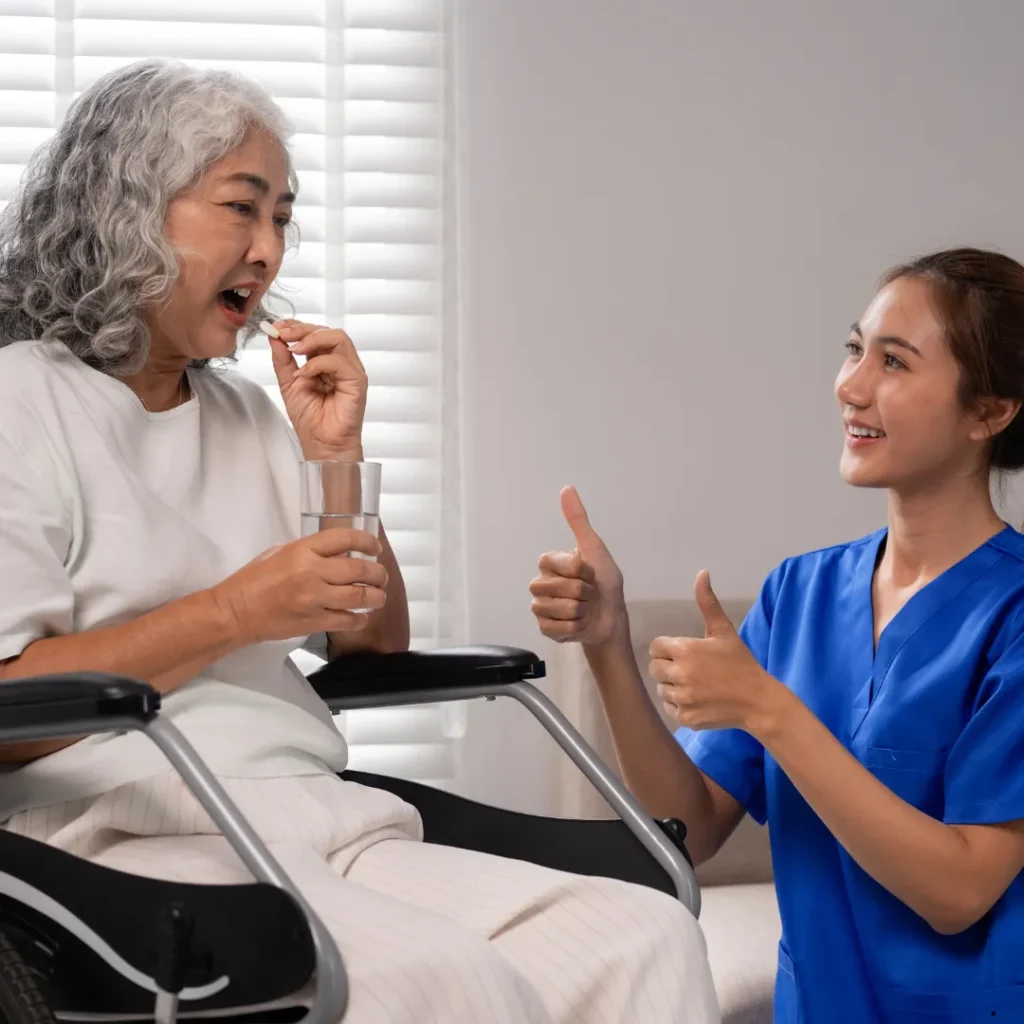
The ProQual Level 2 Award in Healthcare and Social Care Support Skills is designed to provide learners with the essential knowledge and practical abilities required to support professionals in healthcare and social care environments. This qualification focuses on building competence in assisting with daily care routines, understanding workplace responsibilities, and promoting safe and effective practices. Learners will gain a foundation in communication, safeguarding, and supporting individuals with diverse needs, making it an ideal entry point into the care sector.
This award emphasizes practical, work-related learning, ensuring that learners can apply their skills directly in real care settings. It covers key aspects such as maintaining health and safety, supporting wellbeing, and working effectively as part of a team. By completing this qualification, learners will be better prepared to contribute to the delivery of quality care services, whether in hospitals, residential homes, or community-based support environments.
The qualification also highlights the importance of empathy, professionalism, and responsibility in care roles, ensuring that learners understand not only the technical aspects of support but also the human-centered values that underpin effective practice. Learners will explore how to support individuals respectfully, recognizing the diverse needs of service users and the importance of dignity in care. They will be guided on maintaining confidentiality, safeguarding sensitive information, and adhering to workplace procedures that protect both staff and those receiving care.
Course Overview
Awarding Body
ProQual
Duration
2 to 4 months
Study Mood
Online
Assessment
Assignments Based
Course Study Units
| Sr# | Unit Title | Credit Value | GLH |
|---|---|---|---|
| 1 | Implement person centred approaches in health and social care | 5 | 33 |
| 2 | Principles of safeguarding and protection in health and social care | 3 | 26 |
| 3 | Assist in the administration of medication | 4 | 25 |
| 4 | Carry out personal hygiene for individuals unable to care for themselves | 3 | 23 |
| 5 | Support individuals with speech and language disorders to develop their communication skills | 4 | 28 |
| 6 | Perform the non-scrubbed circulating role for perioperative procedures | 3 | 23 |
| 7 | Minimise the risk of infection when transporting and storing healthcare waste | 3 | 20 |
| 8 | Assist in the issuing of prescribed items | 3 | 15 |
| 9 | Assist in the manufacture and assembly of medicinal products | 7 | 20 |
| 10 | Assist in the preparation of documentation, materials and other items for manufacture and assembly of medicinal products | 10 | 40 |
| 11 | Support individuals to carry out their own health care procedures | 2 | 15 |
| 12 | Provide support for therapy sessions | 2 | 14 |
| 13 | Contribute to the discharge of individuals to carers | 2 | 14 |
| 14 | Paediatric Emergency First Aid | 1 | 10 |
| 15 | Introduction to communication in health, social care or children’s and young people’s settings | 3 | 23 |
| 16 | Support individuals to meet personal care needs | 2 | 16 |
| 17 | Contribute to the safe use of medical devices in the perioperative environment | 4 | 29 |
| 18 | Causes and Spread of Infection | 2 | 20 |
| 19 | Prepare documentation, materials, components and other items for the preparation of aseptic products | 6 | 10 |
| 20 | Introduction to duty of care in health, social care or children’s and young people’s settings | 1 | 9 |
| 21 | Provide support for mobility | 2 | 14 |
| 22 | Assist others to plan presentations | 2 | 16 |
| 23 | Order Routine Pharmaceutical Stock | 3 | 11 |
| 24 | Dementia Awareness | 2 | 17 |
| 25 | Move and position individuals in accordance with their plan of care | 4 | 26 |
| 26 | Support individuals to manage continence | 3 | 19 |
| 27 | Handle information in health and social care settings | 1 | 10 |
| 28 | The role of the health and social care worker | 2 | 14 |
| 29 | Obtain and test specimens from individuals | 2 | 12 |
| 30 | Prepare individuals for healthcare activities | 3 | 17 |
| 31 | Assist in planning and evaluating learning activities | 3 | 22 |
| 32 | Assist the practitioner to carry out health care activities | 2 | 13 |
| 33 | Minimise the risk of infection during the removal of used linen | 2 | 15 |
| 34 | Inform an individual of discharge arrangements | 2 | 13 |
| 35 | Understand the context of supporting individuals with learning disabilities | 4 | 35 |
| 36 | Select and wear appropriate personal protective equipment for work in health care settings | 2 | 15 |
| 37 | Monitor and maintain the environment and resources during and after clinical / therapeutic activities | 3 | 20 |
| 38 | Prepare and dress for scrubbed clinical roles | 4 | 28 |
| 39 | Care for individuals with naso-gastric tubes | 3 | 20 |
| 40 | The principles of Infection Prevention and Contro | 3 | 30 |
| 41 | Assist with the provision of a pharmacy service to meet individuals’ needs | 3 | 10 |
| 42 | Contribute to the effectiveness of teams | 3 | 5 |
| 43 | Introduction to personal development in health, social care or children’s and young people’s settings | 3 | 23 |
| 44 | Support individuals who are distressed | 3 | 21 |
| 45 | Support individuals undergoing healthcare activities | 3 | 22 |
| 46 | Prepare equipment for intraoperative cell salvage blood processing | 4 | 26 |
| 47 | Assist in receiving, handling and dispatching clinical specimens | 2 | 17 |
| 48 | Assist in the sale of medicines and products | 8 | 50 |
| 49 | Receive Pharmaceutical Stock | 3 | 9 |
| 50 | Prepare aseptic products | 10 | 40 |
| 51 | Prepare and apply dressings and drains to individuals in the perioperative environment | 2 | 18 |
| 52 | Planning and Monitoring Work | 2 | 8 |
| 53 | Cleaning, Decontamination and Waste Management | 2 | 20 |
| 54 | Ensure your own Actions Reduce risks to Health and Safety | 2 | 8 |
| 55 | Introduction to equality and inclusion in health, social care or children’s and young people’s settings | 2 | 20 |
| 56 | Provide agreed support for foot care | 3 | 23 |
| 57 | Contribute to health and safety in health and social care | 4 | 33 |
| 58 | Support independence in the tasks of daily living | 5 | 33 |
| 59 | Prepare equipment for intraoperative cell salvage blood collection | 2 | 17 |
| 60 | Maintaining quality standards in the health sector | 1 | 8 |
| 61 | Emergency First Aid Skills | 1 | 10 |
| 62 | Assemble prescribed items | 3 | 15 |
| 63 | Support participation in learning and development activities | 3 | 23 |
| 64 | Provide support for sleep | 2 | 13 |
| 65 | Remove wound closure materials | 3 | 24 |
| 66 | Support individuals to eat and drink | 2 | 15 |
| 67 | Undertake agreed pressure area care | 4 | 30 |
| 68 | Meet food safety requirements when providing food and drink for individuals | 2 | 15 |
| 69 | Understand loss and grief in end of life care | 3 | 22 |
| 70 | Understand how to work in end of life care | 3 | 28 |

Entry Requirements
Who Can Enroll
The ideal learner for this qualification is someone motivated to begin a career in healthcare or social care support.
- Individuals seeking entry-level roles in care.
- Those with a genuine interest in helping others.
- Learners aiming to build confidence in workplace skills.
- People committed to health, safety, and wellbeing.
- Individuals looking for practical, hands-on learning.
- Those wishing to strengthen employability in the care sector.
Course Learning Outcomes
1. Implement Person-Centred Approaches in Health and Social Care
- Understand the principles of person-centred care and how they apply in healthcare settings.
- Develop skills to promote individual choice, dignity, and independence.
- Learn how to adapt care based on individual needs and preferences.
2. Principles of Safeguarding and Protection in Health and Social Care
- Identify signs and symptoms of abuse and neglect.
- Understand safeguarding policies and legal frameworks.
- Learn the correct procedures for reporting safeguarding concerns.
3. Assist in the Administration of Medication
- Understand the different types of medication and their effects.
- Learn safe medication handling, storage, and administration procedures.
- Recognize potential side effects and adverse reactions.
4. Carry Out Personal Hygiene for Individuals Unable to Care for Themselves
- Assist with bathing, dressing, oral hygiene, and grooming.
- Promote dignity and privacy while providing personal care.
- Follow infection control and hygiene best practices.
5. Support Individuals with Speech and Language Disorders to Develop Their Communication Skills
- Understand different speech and language disorders.
- Implement communication techniques and assistive tools.
- Support individuals in expressing their needs and feelings.
6. Perform the Non-Scrubbed Circulating Role for Perioperative Procedures
- Assist in preparing the operating room for procedures.
- Support the surgical team with equipment and supplies.
- Maintain a sterile environment and follow safety protocols.
7. Minimise the Risk of Infection When Transporting and Storing Healthcare Waste
- Identify different types of healthcare waste.
- Follow waste management policies to reduce infection risk.
- Use protective equipment when handling hazardous materials.
8. Assist in the Issuing of Prescribed Items
- Understand the procedures for dispensing prescriptions.
- Ensure accuracy and compliance with regulations.
- Support patients in understanding medication instructions.
9. Assist in the Manufacture and Assembly of Medicinal Products
- Learn safe procedures for preparing medicinal products.
- Follow hygiene and safety guidelines.
- Maintain accurate records and documentation.
10. Assist in the Preparation of Documentation, Materials, and Other Items for Manufacture and Assembly of Medicinal Products
- Organize and prepare pharmaceutical materials.
- Ensure compliance with pharmaceutical regulations.
- Maintain quality control during the preparation process.
11. Support Individuals to Carry Out Their Own Health Care Procedures
- Encourage self-care and independence.
- Assist individuals in following treatment plans.
- Provide emotional and physical support.
12. Provide Support for Therapy Sessions
- Assist therapists with session preparation.
- Support patients in following therapy exercises.
- Monitor progress and provide feedback.
13. Contribute to the Discharge of Individuals to Carers
- Understand discharge planning procedures.
- Communicate care instructions to carers and families.
- Ensure a smooth transition from hospital to home.
14. Paediatric Emergency First Aid
- Learn basic life-saving techniques for children.
- Handle choking, bleeding, and fractures.
- Follow emergency response protocols.
15. Introduction to Communication in Health, Social Care, or Children’s and Young People’s Settings
- Understand the importance of communication in healthcare.
- Use effective verbal and non-verbal communication skills.
- Overcome barriers to communication in care settings.