ProQual Level 3 NVQ Diploma in Testing, Inspecting and Thorough Examination Occupations: Leak Detection in Waterproof Systems
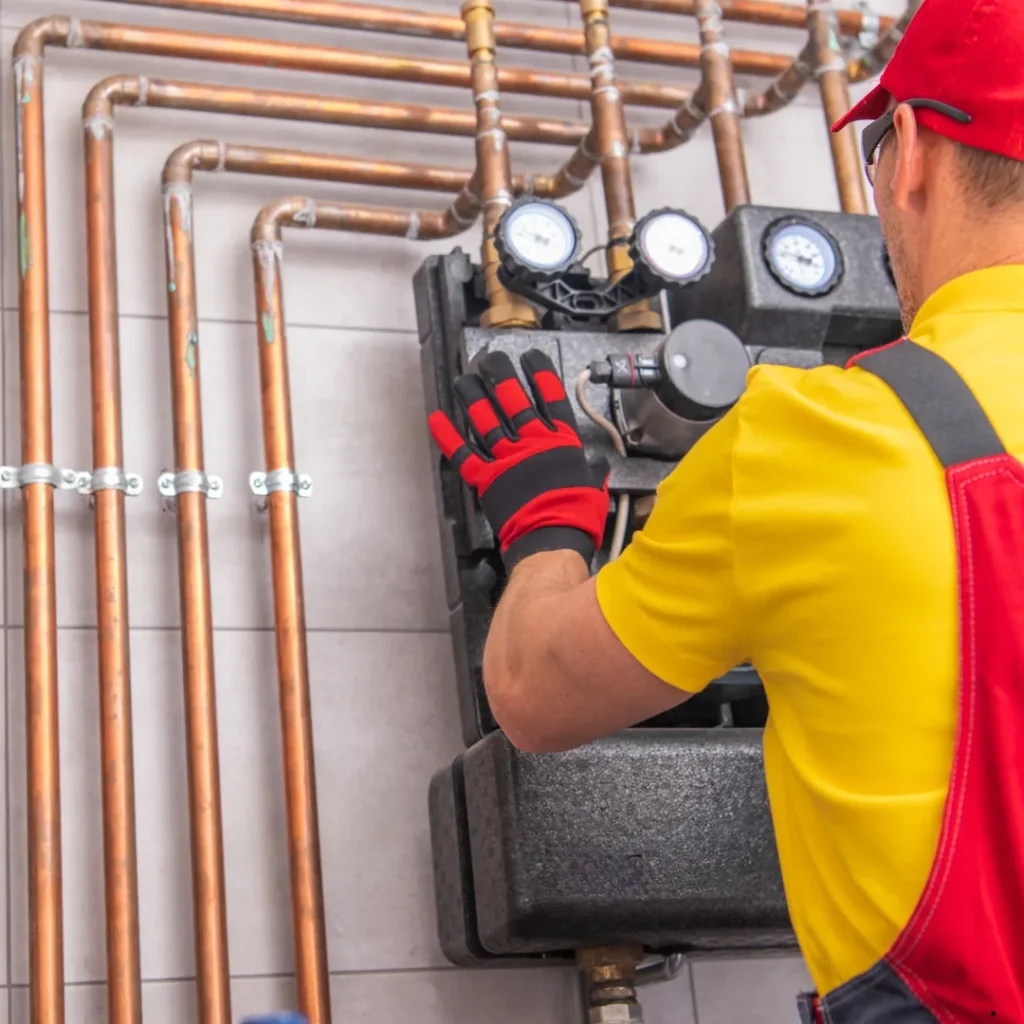
The ProQual Level 3 NVQ Diploma in Testing, Inspecting and Thorough Examination Occupations: Leak Detection in Waterproof Systems is a specialist qualification designed for professionals working in construction, civil engineering, and building maintenance. It focuses on the skills and knowledge required to identify, test, and inspect waterproofing systems to ensure structural integrity and safety. This qualification is particularly relevant for those involved in roofing, cladding, and infrastructure projects where water ingress can cause significant damage and safety risks.
Leak detection in waterproof systems is a critical aspect of modern construction and maintenance. Water ingress can compromise structural stability, damage materials, and create health hazards such as mould growth. The qualification equips learners with the ability to carry out thorough examinations, use specialist equipment, and apply systematic testing methods to detect leaks accurately. It also emphasises the importance of working within health and safety frameworks, ensuring that professionals can perform their duties responsibly and effectively.
Beyond technical skills, the diploma also supports professional development by encouraging reflective practice and continuous improvement. Learners are expected to evaluate their own performance, adapt to new technologies, and contribute to service improvement within their organisations. As waterproofing systems evolve with modern construction methods, the qualification ensures that practitioners remain up to date with current standards and practices. Ultimately, it provides a pathway for career progression, enabling individuals to take on more specialised roles in inspection, testing, and quality assurance within the construction and engineering industries.
Course Overview
Awarding Body
ProQual
Duration
4-6 months
Study Mood
Online
Assessment
Assignments Based
Course Study Units
Mandatory Units – Complete All Units
| Title | Level |
| Confirming work activities and resources for an occupational area in the workplace | 3 |
| Developing and maintaining good occupational working relationships in the workplace | 5 |
| Confirming the occupational method of work in the workplace | 3 |
Pathway 1 – Testing, Inspecting and thorough Examination of Plant, Machinery, Equipment or Accessories
| Title | Level |
| Inspecting plant or machinery for operational serviceability in the workplace | 2 |
| Carrying out specific tests on plant or machinery to determine operational serviceability in the workplace | 3 |
Pathway 2 – Leak Detection in Waterproof Systems
| Title | Level |
| Detecting breaches in waterproofing systems using non- destructive leak detection in the workplace | 3 |
Pathway 3 – Dynamic Pile Testing ( Mandatory Unit – complete this unit)
| Title | Level |
| Dynamic load and integrity testing of piles in the workplace |

Entry Requirements
Who Can Enroll
The ideal learner for this qualification is someone already working in the construction or building maintenance sector who wants to gain formal recognition of their skills in leak detection.
- Has practical experience in waterproofing systems.
- Seeks career progression into inspection and testing roles.
- Values compliance with health and safety standards.
- Interested in improving technical expertise and accuracy.
- Motivated to achieve a nationally recognised qualification.
- Works well independently and as part of a team.
Course Learning Outcomes
1. Conduct Comprehensive Inspections
- Demonstrate the ability to perform thorough inspections of construction materials, equipment, and systems, ensuring compliance with relevant standards and regulations.
2. Apply Testing Techniques
- Effectively apply various testing methods to evaluate the quality and performance of construction components, accurately identifying any defects or non-conformities.
3. Understand Compliance Regulations
- Exhibit a strong understanding of applicable health and safety legislation, ensuring that all testing and inspection activities adhere to legal requirements and industry standards.
4. Identify and Document Issues
- Recognize and report any deficiencies found during inspections and testing, providing clear and detailed documentation of findings for stakeholders.
5. Communicate Findings Clearly
Demonstrate effective communication skills, both written and verbal, to convey inspection results and recommendations to team members, clients, and management.
6. Conduct Risk Assessments
- Perform risk assessments related to testing and inspection activities, identifying potential hazards and implementing control measures to mitigate risks.
7. Produce Accurate Reports
- Create comprehensive reports that summarize inspection findings, testing results, and recommended corrective actions, ensuring clarity and accuracy in documentation.
8. Promote Quality Assurance
- Contribute to quality assurance processes by engaging in continuous improvement initiatives and promoting best practices in testing and inspection activities.