
QualCert Level 3 Certificate in Pharmaceutical Technology and Quality Assurance (Cert Pharmaceutical Technology)
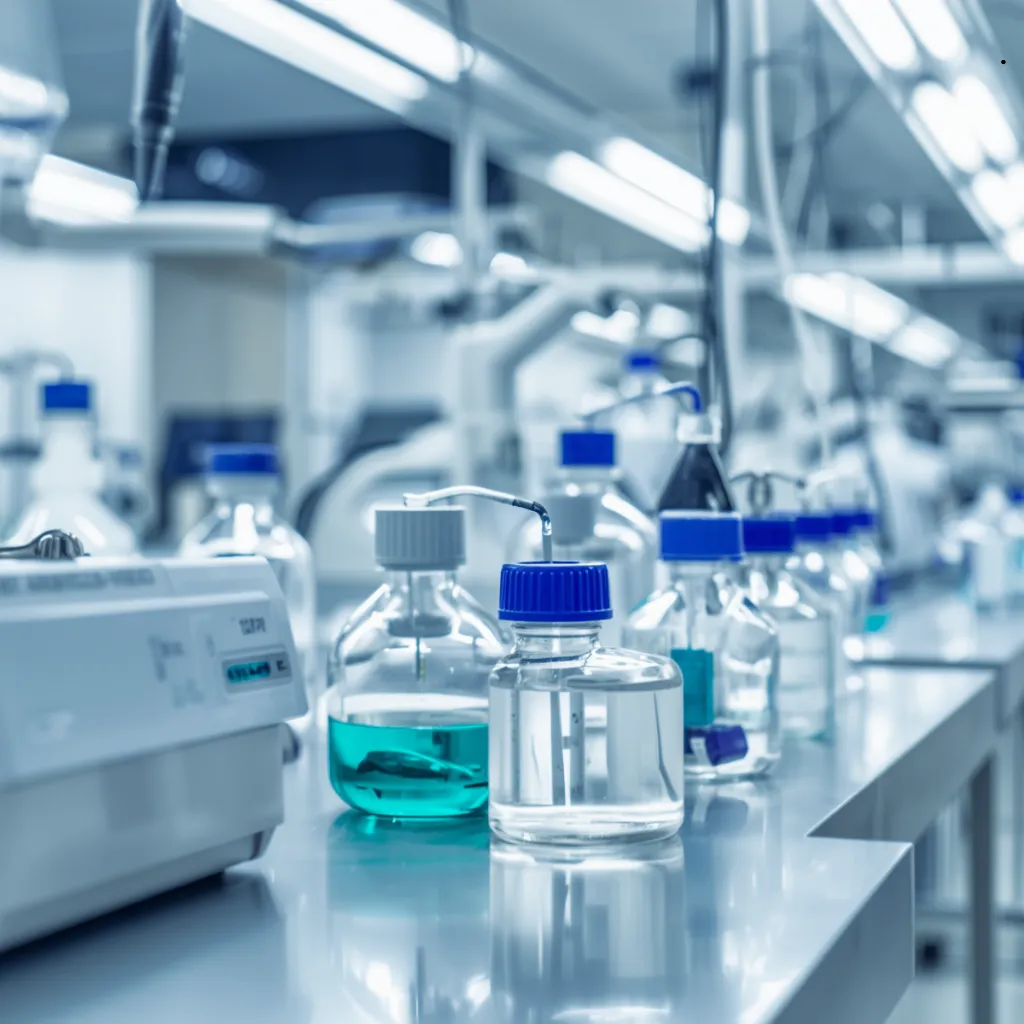
The pharmaceutical industry depends on accuracy, safety, and product quality. Every medicine must be produced under controlled conditions before it reaches patients. Small errors in production, storage, or testing can affect product safety and treatment results. This is why pharmaceutical technology and quality assurance have become essential parts of modern healthcare and medicine manufacturing.
Pharmaceutical companies need skilled professionals who understand production systems, quality checks, laboratory procedures, and industry standards. Many employers face challenges when hiring entry-level staff because candidates often have basic academic knowledge but limited understanding of real production environments. This creates a growing skills gap across manufacturing, quality control, and compliance roles.
The QualCert Level 3 Certificate in Pharmaceutical Technology and Quality Assurance is designed to meet this industry need. The course helps learners build practical knowledge of pharmaceutical production, process control, product testing, and quality management systems. Students also learn how medicines are handled, monitored, and evaluated under professional standards.
This qualification prepares learners for real workplace responsibilities. It supports career development in pharmaceutical manufacturing, laboratory support, production operations, and quality assurance roles. It also creates a strong academic foundation for learners who want to continue into higher pharmaceutical or healthcare studies in the future.
Course Overview
Awarding Body
QualCert
Credits
20
Study Mode
Online
Assessment
Assignment Based
Course Study Units
- Fundamentals of Pharmaceutical Technology
- Pharmaceutical Formulation and Product Development
- Quality Assurance and Regulatory Compliance in Pharmaceuticals
- Advanced Manufacturing Processes and Technology Applications
- Risk Management and Quality Systems in Pharmaceutical Practice

Entry Requirements
Applicants are normally expected to meet the following requirements:
Who Can Enroll
This course is for people who have a sharp eye for detail and enjoy working in a structured, technical environment. It is perfect for those who want to work behind the scenes in the making of modern medicines.
- A student who wants to enter the industrial side of science rather than working in a retail pharmacy.
- An applicant currently working in a factory who wants to move into a specialized role in the pharmaceutical department.
- A career changer who wants a stable job in a high-demand sector like drug manufacturing or quality testing.
- An international applicant seeking a professional certificate that follows global manufacturing safety standards.
- A person who values precision and wants to be responsible for the safety and quality of medical products.
Course Learning Outcomes
Fundamentals of Pharmaceutical Technology
- Understand the basic principles of pharmaceutical technology and its role in healthcare.
- Identify key pharmaceutical dosage forms and their applications.
- Explain the scientific foundations of drug design and delivery.
- Apply knowledge of pharmaceutical technology to industry-relevant case studies.
Pharmaceutical Formulation and Product Development
- Understand the formulation process for different dosage forms.
- Analyse the role of excipients and active pharmaceutical ingredients (APIs).
- Apply formulation strategies to ensure safety, stability, and effectiveness of medicines.
- Evaluate product development considerations for compliance with regulatory standards.
Quality Assurance and Regulatory Compliance in Pharmaceuticals
- Demonstrate knowledge of Good Manufacturing Practice (GMP) principles.
- Understand the importance of quality assurance in medicine production.
- Interpret key pharmaceutical regulatory frameworks and compliance requirements.
- Apply quality control methods to maintain product safety and effectiveness.
Advanced Manufacturing Processes and Technology Applications
- Explain modern pharmaceutical manufacturing techniques, including automation and continuous processing.
- Understand the role of advanced technologies in enhancing product quality.
- Analyse the impact of innovation on efficiency, safety, and cost reduction.
- Apply knowledge of emerging trends in pharmaceutical manufacturing to real-world scenarios.
Risk Management and Quality Systems in Pharmaceutical Practice
- Understand the principles of risk management within pharmaceutical operations.
- Evaluate common risks in manufacturing, storage, and distribution.
- Apply risk assessment tools to ensure regulatory compliance and product safety.
- Demonstrate knowledge of quality management systems for continuous improvement.