QualCert Level 3 Diploma in International Trade – Shipping
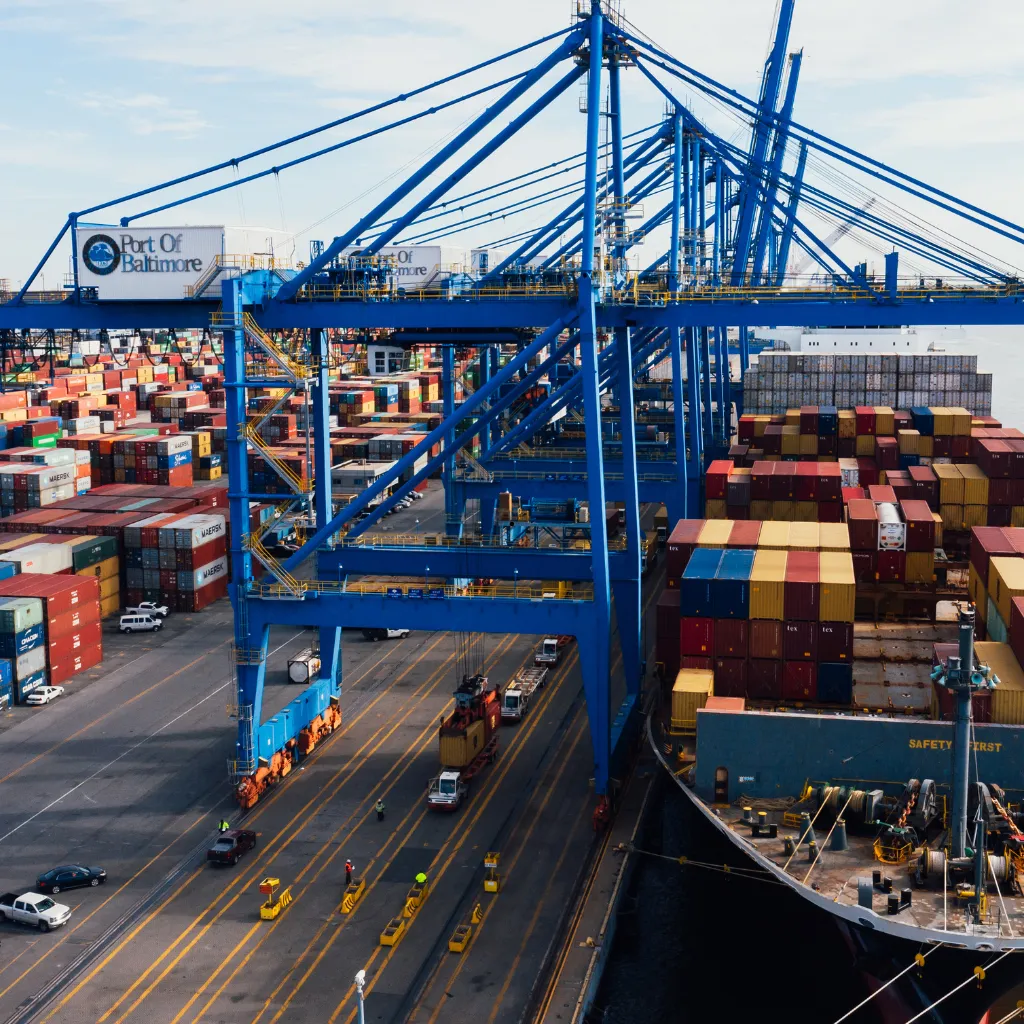
The QualCert Level 3 Diploma in International Trade – Shipping is a professionally designed qualification aimed at individuals seeking to build a successful career in global trade, logistics, and maritime shipping operations. This comprehensive program provides essential knowledge of international trade principles, shipping procedures, freight forwarding, and global supply chain management in accordance with industry standards.
Learners will develop a strong understanding of import and export documentation, customs procedures, Incoterms, cargo handling, shipping regulations, and international trade compliance. The course also covers key areas such as logistics coordination, transport systems, and the role of shipping in global commerce, enabling learners to understand how goods are efficiently moved across international borders.
The QualCert Level 3 Diploma in International Trade – Shipping is ideal for aspiring shipping professionals, logistics coordinators, freight forwarders, and individuals looking to enter the international trade and maritime industry. Through a blend of theoretical knowledge and practical insight, learners gain the skills required to manage shipping operations and support global supply chain activities effectively.
Upon completion, candidates will be well-prepared for entry and mid-level roles in shipping companies, freight agencies, ports, logistics firms, and international trade organizations, making this qualification highly valuable for global career opportunities in the fast-growing logistics and maritime sectors.
Course Overview
Awarding Body
QualCert
Credits
60
Study Mode
Online
Assessment
Assignment Based
Course Study Units
- Fundamentals of International Trade and Shipping
- Trade Documentation and Customs Procedures
- Cargo Handling, Ports and Shipping Operations
- Shipping Contracts, Payments and Incoterms
- Introduction to Marine Insurance and Risk Awareness
- Communication, Customer Service and Professional Practice in Trade

Entry Requirements
Who Can Enroll
The QualCert Level 3 Diploma in International Trade – Shipping is designed for individuals who are beginning their journey into the world of global trade and maritime operations.
- School leavers interested in starting a career in international trade and shipping
- Fresh graduates seeking entry into the logistics and supply chain industry
- Aspiring freight forwarders and shipping assistants
- Import/export clerks and logistics coordinators
- Warehouse and distribution staff looking to upskill
- Professionals already working in logistics or shipping who want career advancement
Course Learning Outcomes
Fundamentals of International Trade and Shipping
- Understand the role of shipping in supporting global trade.
- Identify key stakeholders in international trade and maritime operations.
- Explain the basic principles of import and export processes.
- Recognise the importance of ports and shipping lines in supply chains.
- Demonstrate awareness of trade routes and shipping markets.
- Apply basic trade concepts to practical shipping examples.
- Evaluate the significance of shipping in global commerce.
Trade Documentation and Customs Procedures
- Identify the main documents used in international trade.
- Explain the purpose of bills of lading, invoices, and certificates of origin.
- Understand the role of customs authorities in regulating trade.
- Apply knowledge of Incoterms to trade documentation.
- Recognise the importance of accuracy in customs clearance.
- Demonstrate awareness of tariffs, duties, and compliance requirements.
- Evaluate the impact of documentation errors on trade operations.
Cargo Handling, Ports and Shipping Operations
- Explain the principles of safe cargo handling in ports.
- Identify different types of cargo and their handling requirements.
- Understand the role of ports in facilitating international trade.
- Apply knowledge of port operations to shipping case studies.
- Recognise risks associated with cargo handling and storage.
- Demonstrate awareness of port equipment and technology.
- Evaluate the importance of efficiency in port and shipping operations.
Shipping Contracts, Payments and Incoterms
- Understand the financial aspects of shipping contracts.
- Identify key terms and conditions in charter parties and contracts of carriage.
- Explain the role of Incoterms in defining responsibilities.
- Apply knowledge of payment methods in international trade.
- Recognise the importance of contract compliance in shipping.
- Demonstrate awareness of risks in contractual agreements.
- Evaluate the role of contracts in ensuring smooth trade operations.
Introduction to Marine Insurance and Risk Awareness
- Explain the principles of marine insurance in shipping.
- Identify different types of marine insurance policies.
- Understand the concepts of insurable interest and indemnity.
- Apply knowledge of risk assessment to shipping operations.
- Recognise the importance of insurance in protecting financial assets.
- Demonstrate awareness of claims procedures and documentation.
- Evaluate the role of insurance in managing trade risks.
Communication, Customer Service and Professional Practice in Trade
- Understand the importance of communication in international trade.
- Demonstrate effective customer service skills in a trade environment.
- Recognise the role of cultural awareness in global business.
- Apply problem-solving skills to trade-related challenges.
- Understand professional behaviour in shipping and trade contexts.
- Demonstrate teamwork and collaboration in trade operations.
- Evaluate the importance of customer satisfaction in trade success.