Empower Health Impact: QualCert Level 3 Nutritional Sciences
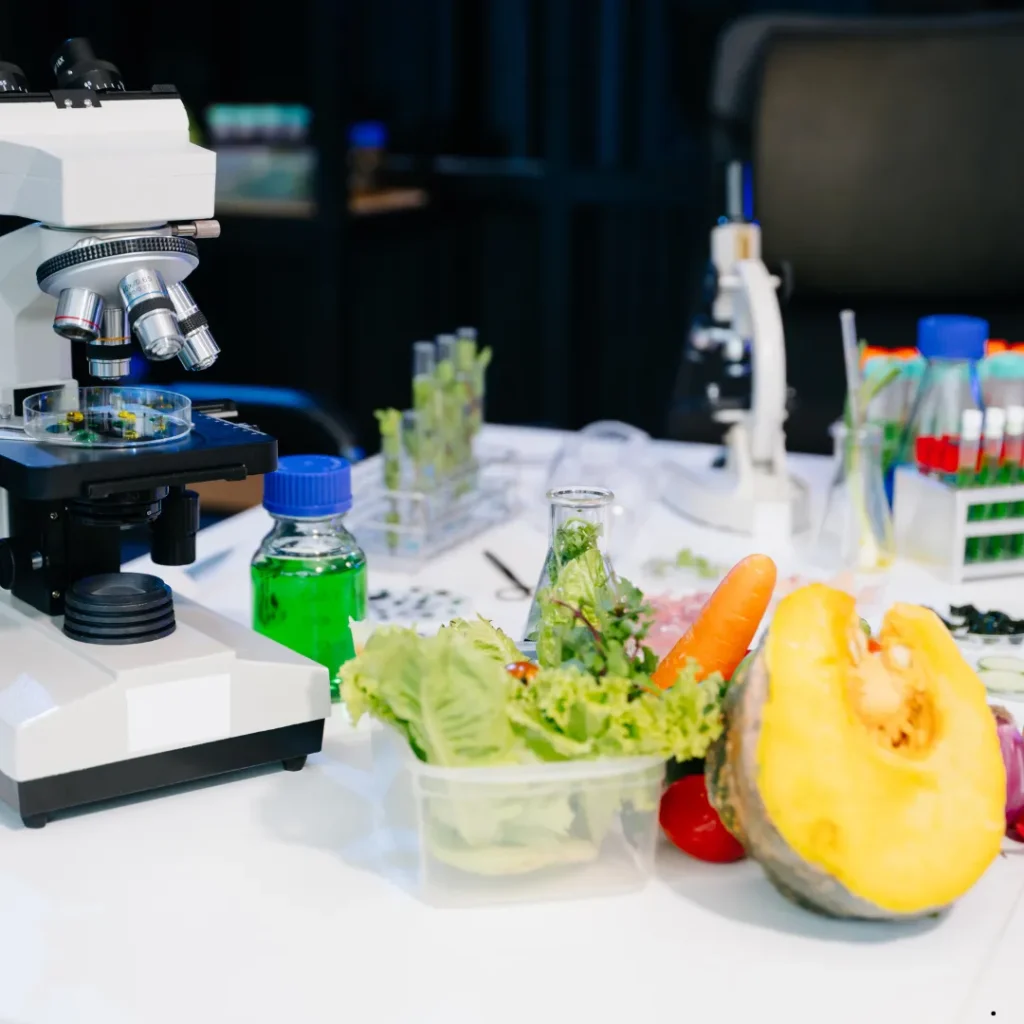
The QualCert Level 3 Diploma in Nutritional Sciences (Dip Nutritional Sciences) is designed to provide learners with foundational knowledge and practical skills in nutrition. This program emphasizes the importance of dietary science in promoting health, preventing disease, and supporting overall wellness. Learners will explore how nutrition impacts physical performance, immunity, and long-term health outcomes, gaining the ability to apply evidence-based dietary strategies in everyday life and professional contexts.
This diploma highlights the role of nutritional sciences in addressing modern health challenges such as obesity, diabetes, cardiovascular disease, and digestive disorders. Learners will study dietary assessment techniques, nutrient requirements, and balanced diet planning. The program also emphasizes ethical considerations, cultural sensitivity, and effective communication strategies, ensuring learners are prepared to work with diverse populations. Through case studies and practical examples, participants will develop confidence in applying nutritional principles to real-world scenarios.
The program is ideal for individuals who want to strengthen their expertise in nutritional sciences while enhancing their professional credibility. Learners will benefit from a curriculum that blends scientific knowledge with practical relevance, ensuring they are equipped to meet the growing demand for nutrition professionals in healthcare, wellness, and lifestyle industries. By completing this diploma, participants will gain a strong foundation in nutritional sciences, empowering them to contribute meaningfully to health promotion initiatives and community wellness programs.
Course Overview
Awarding Body
QualCert
Credits
60 Credits
Study Mood
Online
Assessment
Assignments Based
Course Study Units
- Fundamentals of Human Nutrition
- Macronutrients and Micronutrients
- Human Physiology and Metabolism
- Nutritional Assessment and Analysis
- Diet-Disease Relationships
- Professional Practice in Nutritional Sciences

Entry Requirements
Who Can Enroll
This course is best suited for motivated individuals who want to expand their knowledge in nutritional sciences.
- Healthcare assistants seeking nutrition knowledge.
- Nutritionists aiming to strengthen foundational skills.
- Wellness professionals interested in dietary strategies.
- Individuals passionate about improving health outcomes.
- Learners looking to enhance career opportunities in healthcare and wellness.
- Professionals eager to gain structured, practical training in nutrition.
Course Learning Outcomes
Fundamentals of Human Nutrition
- Understand core principles of nutrition and dietary requirements
- Analyse the role of nutrition in growth, development, and overall health
- Interpret nutritional guidelines for different populations
- Apply knowledge to assess dietary adequacy
Macronutrients and Micronutrients
- Examine the functions, sources, and requirements of macronutrients and micronutrients
- Evaluate the effects of nutrient deficiencies and excesses on health
- Apply nutrient knowledge to dietary planning and assessment
- Analyse nutrient interactions and their impact on wellbeing
Human Physiology and Metabolism
- Understand physiological processes of digestion, absorption, and metabolism
- Analyse energy metabolism and nutrient utilisation in the human body
- Apply metabolic principles to support nutritional interventions
- Interpret physiological data to inform dietary recommendations
Nutritional Assessment and Analysis
- Conduct dietary, anthropometric, and biochemical assessments
- Interpret assessment data to determine nutritional status and needs
- Develop personalised nutrition strategies based on assessment findings
- Apply evidence-based approaches to evaluate dietary interventions
Diet-Disease Relationships
- Explore the role of nutrition in the prevention and management of chronic diseases
- Examine evidence-based dietary interventions for health improvement
- Analyse scientific research linking diet and disease outcomes
- Apply knowledge to support client or community health initiatives
Professional Practice in Nutritional Sciences
- Apply ethical and professional standards in nutritional practice
- Communicate effectively with clients, professionals, and multidisciplinary teams
- Maintain accurate records and reflect on professional practice
- Engage in Continuing Professional Development (CPD) to maintain expertise