QualCert Level 3 Diploma in Pharmacy in Developing Countries (Dip Pharmacy in Developing Countries)
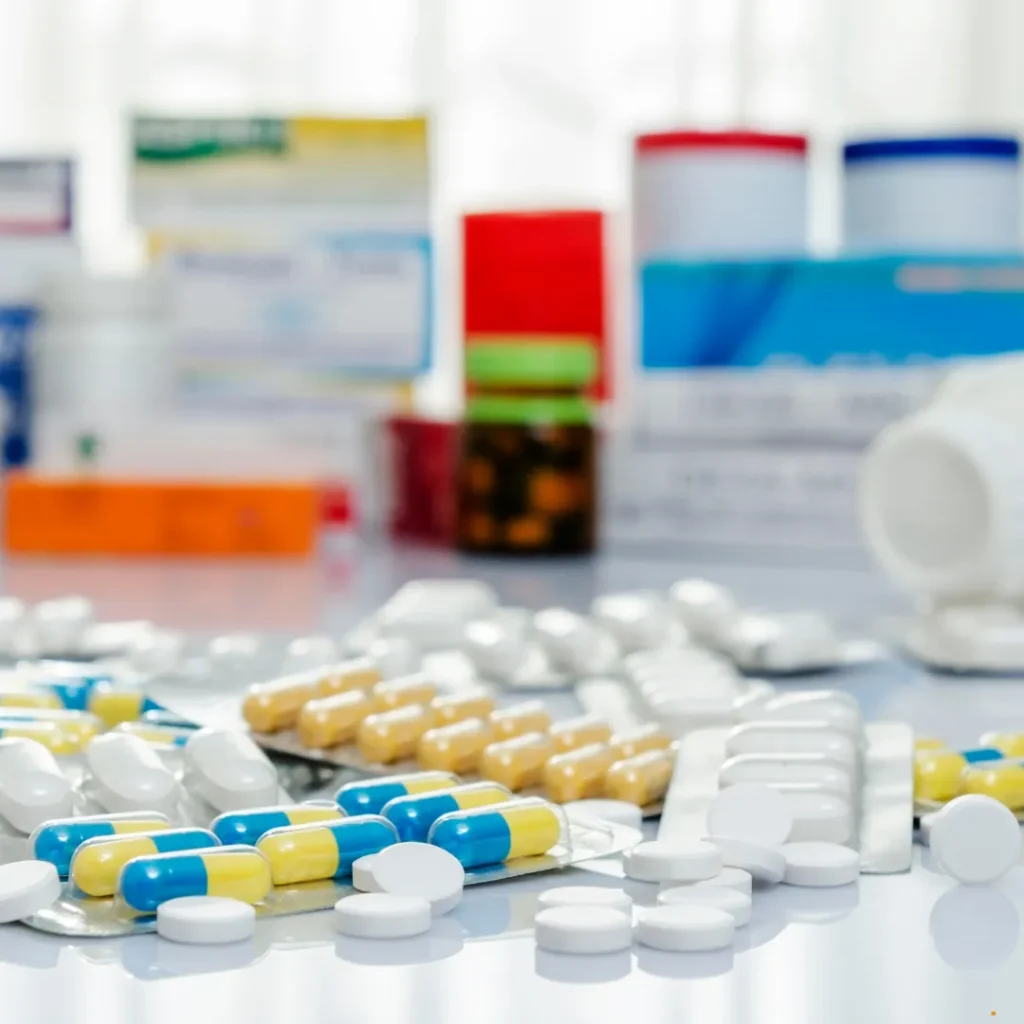
The QualCert Level 3 Diploma in Pharmacy in Developing Countries (Dip Pharmacy in Developing Countries) is a practical qualification designed for pharmacy professionals and healthcare workers who operate in resource-limited settings. In simple terms, this course teaches you how to manage pharmacy services effectively when faced with challenges such as medicine shortages, limited infrastructure, and diverse community needs. The purpose of this diploma is to equip you with the knowledge and practical strategies needed to deliver safe, reliable pharmacy care in environments where conventional systems may not be fully available.
You will learn how to manage essential medicines, maintain quality and safety under difficult conditions, and support local healthcare teams with limited resources. The course also helps you understand how to work with public health priorities, promote rational use of medicines, and build trust within the communities you serve. By completing this qualification, you gain the confidence to overcome everyday challenges and make a meaningful difference in patient care, even in the most demanding environments.
It is important to note that the QualCert Level 3 Diploma in Pharmacy in Developing Countries is a stand-alone vocational qualification focused purely on building practical expertise, rather than an academic degree. This makes it an ideal choice for pharmacy technicians, community health workers, and dispensary staff who want to specialize in the unique demands of developing regions. By focusing on adaptable skills and context-specific knowledge, this diploma prepares you to take on greater responsibility and contribute effectively to improving pharmacy services where they are needed most.
Course Overview
Awarding Body
QualCert
Credits
120 Credits
Study Mood
Online
Assessment
Assignments Based
Course Study Units
- Introduction to Pharmacy in Developing Countries
- Pharmaceutical Supply Chains and Distribution
- Regulatory Frameworks and Ethical Practice
- Public Health and Community Pharmacy
- Medicine Management and Quality Assurance
- Innovative Solutions and Technology in Pharmacy

Entry Requirements
Who Can Enroll
This qualification is designed for pharmacy and healthcare professionals working in resource-limited settings who want to deliver safe and effective pharmaceutical care.
- Currently working in a pharmacy, clinic, or community health program in a developing region
- Familiar with challenges such as medicine shortages, limited infrastructure, and diverse community needs
- Passionate about improving patient safety and access to essential medicines
- Looking to build practical skills that address real‑world constraints
- Keen to support local communities with rational medicine use and public health priorities
Course Learning Outcomes
Introduction to Pharmacy in Developing Countries
- Understand the role of pharmacy in healthcare systems of developing countries
- Identify challenges and opportunities in local healthcare environments
- Recognise the impact of pharmacy services on community health
- Explain key concepts and principles of pharmacy practice in resource-limited settings
Pharmaceutical Supply Chains and Distribution
- Apply strategies for effective medicine procurement and distribution
- Ensure medicines are stored safely and managed efficiently
- Develop solutions to maintain medicine availability in resource-limited settings
- Understand supply chain challenges and mitigation strategies
Regulatory Frameworks and Ethical Practice
- Understand local and international pharmaceutical regulations
- Apply ethical principles in pharmacy practice
- Ensure compliance with legal and professional standards
- Recognise ethical considerations specific to developing countries
Public Health and Community Pharmacy
- Promote health and disease prevention in communities
- Provide patient education and guidance on medicine use
- Support public health initiatives through pharmacy practice
- Understand the role of community pharmacy in improving health outcomes
Medicine Management and Quality Assurance
- Implement safe medicine handling, storage, and distribution practices
- Conduct quality assurance checks to maintain medicine efficacy
- Apply best practices for medicine management in developing countries
- Recognise and address challenges to medicine quality and availability
Innovative Solutions and Technology in Pharmacy
- Apply technological solutions to enhance pharmacy operations
- Develop innovative approaches to improve access to medicines
- Support healthcare outcomes using data and technology-driven strategies
- Implement sustainable practices to optimise pharmacy services in challenging environments