QualCert Level 3 Diploma in Veterinary Pharmacy (Dip Veterinary Pharmacy)
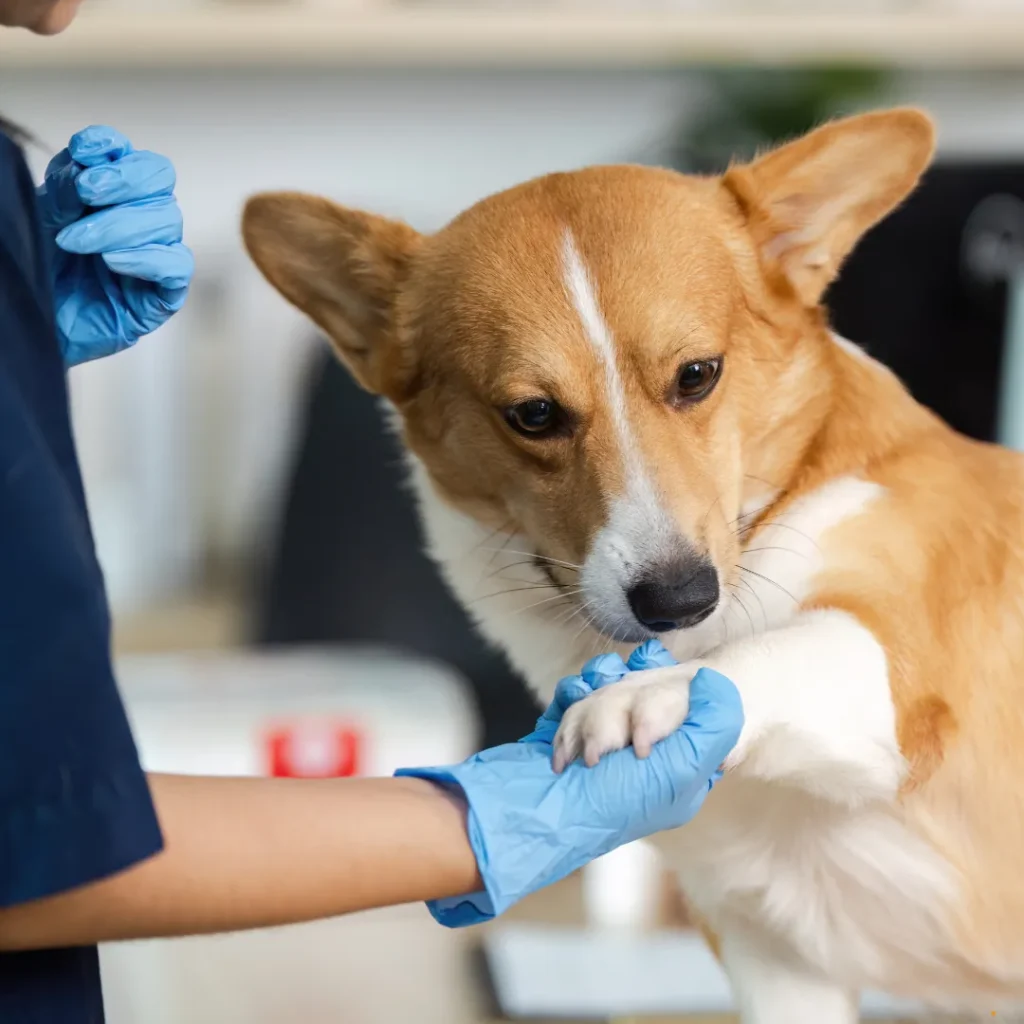
The QualCert Level 3 Diploma in Veterinary Pharmacy (Dip Veterinary Pharmacy) is a practical qualification designed for individuals who want to work safely and confidently with medicines for animals. In simple terms, this course teaches you how to handle veterinary pharmaceuticals, understand their effects across different species, and support the responsible supply and use of treatments. The purpose is to equip you with the essential knowledge and hands‑on skills needed to work effectively in veterinary practices, animal health roles, or dispensaries, where ensuring the right medicine reaches the right animal is a vital responsibility.
You will learn how different species—from dogs and cats to horses and livestock—respond to medicines, including how to calculate correct doses and recognise potential side effects. The course also covers safe storage and dispensing, legal classifications of veterinary drugs, and how to give clear, accurate advice to pet owners and animal carers. By completing this diploma, you become a trusted member of your veterinary team, helping to improve animal health outcomes and supporting the responsible use of medicines in practice.
It is important to note that this is a stand‑alone vocational qualification, not an academic degree. It focuses purely on practical, industry‑relevant skills that you can apply from day one in your workplace. This makes it an ideal choice for veterinary care assistants, pharmacy technicians, animal health advisors, and anyone already working in or looking to enter the veterinary pharmacy field who wants to specialise without committing to a lengthy university programme.
Course Overview
Awarding Body
QualCert
Credits
120 Credits
Study Mood
Online
Assessment
Assignments Based
Course Study Units
- Principles of Veterinary Pharmacy
- Veterinary Pharmaceutical Legislation & Ethics
- Dispensing and Administration of Veterinary Medicines
- Veterinary Medicine Storage and Inventory Management
- Prescription Interpretation & Dosage Calculations
- Client Communication and Animal Welfare

Entry Requirements
Who Can Enroll
This qualification is designed for individuals working in or aspiring to enter the veterinary pharmacy field who want to build specialist knowledge in safe medicine management for animals.
- Currently working in a veterinary practice, pharmacy, or animal health setting
- Looking to develop expertise in veterinary medicines, dosages, and species‑specific considerations
- Keen to understand legal and regulatory requirements for supplying animal medicines
- Interested in supporting pet owners and veterinary teams with accurate, safe advice
- Wants a specialist qualification that strengthens skills without a lengthy university program
Course Learning Outcomes
Principles of Veterinary Pharmacy
- Understand the fundamental principles of veterinary pharmacy and animal healthcare
- Identify common animal diseases and conditions
- Explain the roles and uses of veterinary medicines in treatment and prevention
- Recognise the importance of safe and effective medicine management
Veterinary Pharmaceutical Legislation & Ethics
- Apply relevant veterinary pharmaceutical legislation in practice
- Demonstrate knowledge of professional and ethical responsibilities
- Maintain compliance with legal and regulatory requirements
- Understand the principles of ethical decision-making in veterinary pharmacy
Dispensing and Administration of Veterinary Medicines
- Accurately dispense veterinary medicines according to prescriptions
- Demonstrate correct measurement and preparation techniques
- Administer medicines safely to different animal species
- Ensure patient safety and prevent medication errors
Veterinary Medicine Storage and Inventory Management
- Implement correct storage procedures for veterinary medicines
- Manage inventory effectively to maintain stock levels and compliance
- Ensure medicines retain quality, efficacy, and safety
- Identify and respond to stock shortages or expiry issues
Prescription Interpretation & Dosage Calculations
- Interpret veterinary prescriptions accurately
- Calculate appropriate dosages for different animal species
- Ensure correct administration of medicines based on calculations
- Prevent errors in medicine dosing through careful verification
Client Communication and Animal Welfare
- Communicate effectively with clients about medicine use and animal care
- Provide guidance and advice to promote animal welfare
- Build professional relationships with clients and colleagues
- Apply animal welfare standards in all aspects of veterinary pharmacy practice