Master Food Safety: QualCert Level 6 Food Safety and Nutrition
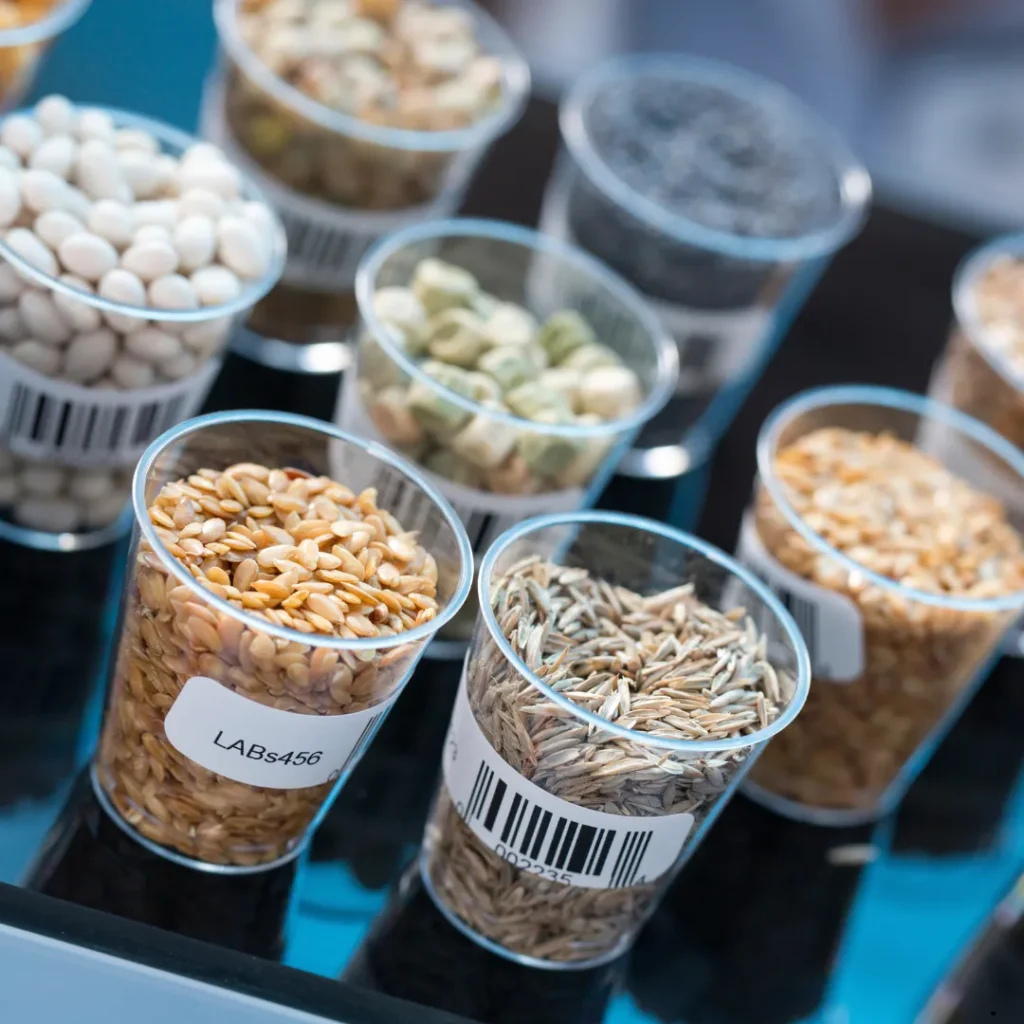
Food safety and nutrition are critical components of public health, ensuring that individuals and communities have access to safe, nutritious food that supports wellbeing. The QualCert Level 6 Diploma in Food Safety and Nutrition (Dip Food Safety) is designed to provide learners with advanced knowledge of food safety principles, hygiene practices, and nutritional science. This program equips learners with the skills to evaluate food systems, identify risks, and implement strategies that protect consumers while promoting healthy dietary choices.
The course emphasizes both theoretical foundations and practical applications, ensuring learners can confidently translate complex concepts into actionable plans. Modules cover topics such as food hygiene, contamination prevention, nutritional requirements, and dietary planning. Learners will also explore cultural influences, ethical considerations, and evidence‑based practices, preparing them to make informed decisions in diverse food industry and healthcare contexts. By combining scientific knowledge with applied learning, the diploma ensures graduates are ready to address real‑world challenges in food safety and nutrition.
Through case studies, applied projects, and scenario‑based learning, participants will develop confidence in designing and implementing food safety protocols and nutrition strategies. This diploma balances academic rigor with practical relevance, making it ideal for professionals who want to strengthen their expertise in food safety and nutrition. Graduates will be equipped to support individuals, organizations, and communities in achieving healthier outcomes through safe food practices and balanced nutrition.
Course Overview
Awarding Body
QualCert
Credits
120 Credits
Study Mood
Online
Assessment
Assignments Based
Course Study Units
- Advanced Principles of Food Safety Management
- Food Microbiology and Contamination Control
- Nutrition Science and Public Health
- Food Quality Assurance and Risk Management
- Global Food Safety Standards and Regulatory Compliance
- Research Project in Food Safety and Nutrition

Entry Requirements
Who Can Enroll
This course is designed for individuals passionate about food safety and nutrition.
- Healthcare professionals ensuring safe dietary practices.
- Nutritionists seeking specialized food safety knowledge.
- Food industry professionals managing hygiene and compliance.
- Wellness consultants supporting healthy eating strategies.
- Graduates in health sciences or food technology.
- Individuals committed to evidence‑based nutrition and safety.
Course Learning Outcomes
Advanced Principles of Food Safety Management
- Analyse and evaluate advanced food safety legislation and global regulatory frameworks
- Apply HACCP principles to complex food safety management systems
- Develop policies and procedures to ensure organisational compliance
- Critically assess the effectiveness of food safety audits and inspections
- Recommend improvements for food safety culture and leadership within organisations
Food Microbiology and Contamination Control
- Examine the role of microorganisms in foodborne illness and spoilage
- Apply methods for detecting, controlling, and preventing microbial contamination
- Evaluate environmental and operational factors influencing food safety
- Implement microbiological monitoring systems in food processing and catering environments
- Propose effective strategies to reduce microbiological hazards across the food chain
Nutrition Science and Public Health
- Demonstrate an advanced understanding of macro and micronutrients and their functions
- Analyse the relationship between nutrition, health, and disease prevention
- Design evidence-based dietary plans for diverse populations and health conditions
- Evaluate the role of nutrition in public health policy and practice
- Assess the impact of nutrition interventions on community health outcomes
Food Quality Assurance and Risk Management
- Evaluate systems and frameworks for quality assurance in food production and service
- Conduct risk assessments to identify, analyse, and control hazards in food operations
- Apply international quality standards to food safety management practices
- Develop monitoring and reporting mechanisms for continuous improvement
- Recommend best practice solutions for managing risk across the food industry
Global Food Safety Standards and Regulatory Compliance
- Interpret international food safety laws, guidelines, and codes of practice
- Compare regulatory compliance requirements across different regions and markets
- Assess the role of certification schemes and auditing in ensuring food safety
- Apply international standards such as ISO, Codex Alimentarius, and BRCGS to workplace practice
- Develop strategies for achieving and maintaining compliance in complex organisations
Research Project in Food Safety and Nutrition
- Identify and justify a research topic relevant to food safety or nutrition
- Apply appropriate research methods to gather and analyse data
- Critically evaluate findings and relate them to current theories and practices
- Produce a structured research report with evidence-based conclusions and recommendations
- Demonstrate independent learning, critical thinking, and problem-solving at Level 6 standard